Introduction
Welcoming the Flame of Renewal
As winter’s icy grasp begins to loosen, Imbolc emerges as a beacon of hope, casting its warm glow on the world around February 1st. Nestled between the hushed stillness of the winter solstice and the vibrant awakening of the vernal equinox, this Gaelic festival orchestrates a delicate dance with the changing seasons. Imbolc, a name whispered through the ages, finds its linguistic roots in the Old Irish term ‘Imbolg,’ a lyrical expression translating to ‘in the belly.’ In the pastoral symphony of nature, it encapsulates the tender swelling of ewes, a testament to life’s cyclical resurgence as they prepare to give birth to new generations of lambs. This celebration, a cross-quarter day weaving together threads of ancient Celtic wisdom, has gracefully woven itself into the modern Pagan calendar, embodying the timeless promise of renewal and the imminent arrival of spring’s vibrant embrace.

Brigid: Keeper of the Flame
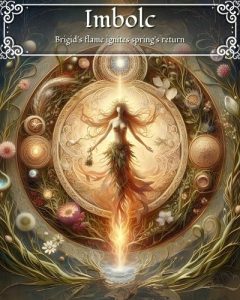
At the heart of Imbolc’s fervent celebration stands Brigid, a luminous figure in the pantheon of Celtic deities. Brigid, a goddess of boundless versatility, dons the mantle of poetry, healing, fertility, and the transformative art of smithcraft. Her essence, a captivating blend of warmth and creativity, finds embodiment in the flickering flames of the hearth, the alchemical mysteries of the cauldron, and the rhythmic symphony of the anvil’s song. In the intricate tapestry of Irish mythology, Brigid emerges as a triple goddess, her tripartite nature echoing the diverse facets of life she governs. With each aspect intricately woven into the fabric of Imbolc, Brigid becomes the radiant beacon guiding practitioners through the rites of renewal, healing, and the awakening fertility of both the land and the soul. As the keeper of the flame, Brigid presides over the delicate dance between winter’s frosty grip and the burgeoning promise of spring.
Ancient Pastoral Tapestry
Imbolc, a sacred thread in the intricate weave of Gaelic traditions, finds its roots entwined with the pastoral rhythms of early Ireland. In the brisk days around February 1st, a palpable air of anticipation blankets the land as shepherds and farmers prepare for the upcoming lambing season. This festival, nestled in the heart of winter, acts as a temporal bridge, linking the frosty landscapes to the imminent stirrings of life in the womb of ewes, a poetic dance heralding the cycles of nature.
Beyond its agrarian significance, Imbolc pays homage to Brigid, a goddess revered for her multifaceted presence in Celtic lore. The flickering flame of Brigid’s influence stretches across realms — poetry, healing, fertility, and the transformative craft of the smith. In a curious twist of fate, the passage of time witnessed Brigid donning the mantle of Christianity, transforming into St. Brigid, a beacon of spiritual grace and the patron saint of Ireland.
Imbolc is more than a seasonal marker; it is a profound tapestry woven with threads of ancient pastoral wisdom, devotion to a goddess, and the enduring spirit of a people connected to the land. As we peer into the origins of Imbolc, we glimpse a tableau where the rustic chores of farming intertwine with the ethereal presence of a revered deity, creating a festival that seamlessly spans the temporal realms of the ancient and the contemporary.
Time-Worn Origins
Imbolc, with roots deeply embedded in the fertile soil of Ireland’s pastoral traditions, emerges as a venerable festival tracing back to ancient times. This celebration, occurring around February 1st, harmonizes with the rhythms of nature, particularly in anticipation of the impending lambing season. The pastoral communities of early Ireland recognized Imbolc as a crucial juncture, signaling the preparation for new life as ewes swelled with the promise of impending birth.
Yet, Imbolc is not merely a pastoral interlude; it is a spiritual tapestry woven with reverence for Brigid, a goddess whose luminous presence graced the Celtic pantheon. The passage of time and the winds of change carried Brigid into the Christianized realm, where she transformed into St. Brigid, becoming the cherished patron saint of Ireland.
Imbolc, standing shoulder to shoulder with its Gaelic siblings — Beltane, Lughnasadh, and Samhain — forms an integral part of the cyclical dance that mirrors the changing seasons and the eternal ebb and flow of life’s energies. As we delve into the history of Imbolc, we discover a timeless connection between the pastoral rhythms of early Ireland, the ethereal presence of Brigid, and the enduring spirit of a festival that bridges the ancient and the contemporary.
Traditions: Embracing the Flame
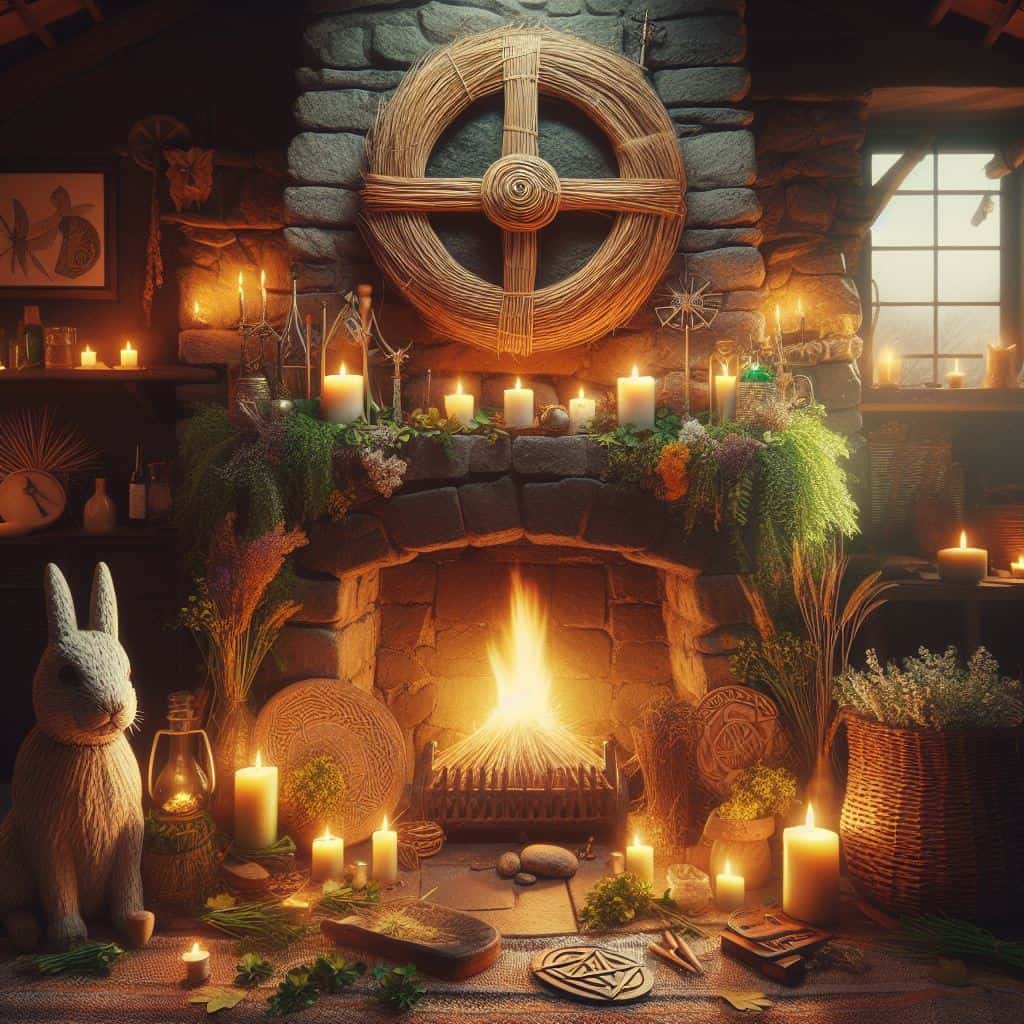
Imbolc, a celebration resonating with the promise of renewal and the stirring of life, unfolds its rich tapestry through time-honored traditions. Each custom is a thread in this vibrant weave, connecting the contemporary practitioner to the ancient roots of the festival. Among the cherished rituals, crafting Brigid’s Cross stands as a testament to artisanal ingenuity, where straw or rushes are intricately woven to create a protective emblem placed above doorways. The luminous spirit of Imbolc finds its reflection in the soft glow of candles illuminating every room, a symbolic homage to the returning warmth of the sun and a tribute to Brigid, the guardian of the sacred flame. The Feast of Milk, a culinary celebration, pays homage to the lactating ewes, anticipating the abundance of spring through dairy-infused dishes. As homes undergo a thorough spring cleaning, Imbolc becomes a moment of purification, sweeping away the vestiges of winter to welcome the invigorating energies of the approaching season. These traditions, resonating through the ages, beckon us to participate in the enduring dance of Imbolc, where each act becomes a brushstroke on the canvas of time.
Brigid’s Cross: Weaving Protection with Straw and Tradition
At the heart of Imbolc’s artisanal heritage lies the age-old craft of weaving Brigid’s Cross. This symbolic creation, meticulously fashioned from straw or rushes, encapsulates the spirit of protection and invokes the benevolent presence of the Celtic goddess Brigid. The process of crafting this cross is steeped in tradition, each step a rhythmic dance with nature’s elements. The straw, representing the harvest and the cycle of life, is deftly intertwined to form a quadrilateral shape with a distinctive woven pattern. Once completed, Brigid’s Cross finds its hallowed place above doorways, where it stands as a guardian against malevolent forces. The cross, often adorned with a central woven circle, not only shields the home but also serves as a talisman, a conduit between the mortal realm and the divine. As we weave Brigid’s Cross in the tapestry of Imbolc, we participate in a timeless act of craftsmanship, connecting our intentions with the enduring legacy of protection and reverence for the goddess Brigid.
Candle Lighting: Illuminating Imbolc’s Radiant Spirit
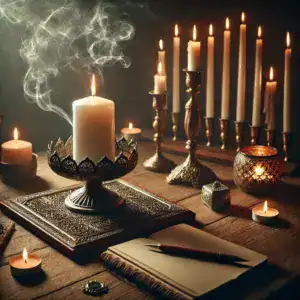
In the heart of Imbolc’s celebration, the dance of light takes center stage as candles flicker and illuminate the darkness. Synonymous with the festival, this act of candle lighting is a symbolic embrace of the returning sun’s warmth and a homage to Brigid, the revered keeper of the sacred flame. In every room, the soft glow of candlelight dispels the winter shadows, heralding the imminent arrival of spring. Each flame becomes a beacon, a tiny yet powerful representation of hope and renewal. As the flames dance and intertwine, they mirror the intertwining of mortal and divine energies during this sacred time. The act of lighting candles is not merely a practical endeavor; it is a ritual, a gesture of connection with the goddess Brigid, who embodies the transformative power of fire. Imbolc’s candlelit ambiance invites introspection, gratitude, and an acknowledgment of the cyclical nature of life. In the gentle glow, we find solace and celebrate the ever-returning light that heralds the promise of a new season.
Feast of Milk: Nourishing the Spirit of Imbolc
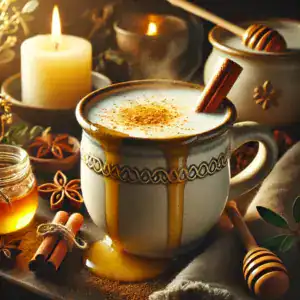
Imbolc, a time of quickening and burgeoning life, finds its culinary celebration in the Feast of Milk. In honor of the lactating ewes heralding the arrival of newborn lambs, tables are adorned with an array of dairy-based dishes that symbolize nourishment and foreshadow the abundance of spring. Milk, cheese, and butter take center stage, transforming into delectable offerings that pay homage to the fertility of the land and the life-giving energy of the goddess Brigid. From creamy soups to luscious desserts, each dish becomes a sacrament, a testament to the cyclical rhythm of nature. The Feast of Milk is not only a culinary delight but a ritual act, connecting participants with the primal forces of fertility and sustenance. As the richness of dairy courses through the feast, it becomes a symbolic communion with the goddess and the promise of revitalization that the approaching spring carries. The act of partaking in these dishes is a recognition of the interconnectedness of all life, a moment to savor the gifts of the season and anticipate the flourishing days to come.
Spring Cleaning: Purifying the Home for Imbolc
As the wheel of the year turns towards the promise of spring, Imbolc invites a transformative ritual known as Spring Cleaning. More than a mundane task, this tradition holds deep symbolic significance, aligning with the essence of Imbolc as a time for purification and renewal. Homes, once cocooned in the dormancy of winter, undergo a thorough cleansing, shedding the accumulated energies of the past months. The act of sweeping away dust, organizing spaces, and allowing fresh air to circulate is a metaphorical gesture of sweeping away stagnation and inviting the vibrant energy of the burgeoning season.
In ancient times, this practice was not only physical but also spiritual. The thorough cleaning of hearths and altars was a sacred act, preparing the space for the imminent return of warmth and growth. Every nook and cranny became a canvas for renewal, mirroring the transformative energies of the natural world. As brooms whisk away the remnants of winter, they also symbolize the sweeping out of old energy, making room for the revitalizing forces that Imbolc promises.
This act of purification extends beyond the physical realm, touching the spiritual and emotional dimensions. It is an opportunity to release what no longer serves, creating a harmonious space for the blossoming energy of spring. As homes are cleansed, so are the hearts and minds of those who partake in this ancient practice. Spring Cleaning becomes a holistic ritual, aligning the inner and outer worlds in preparation for the stirring life-force that will soon manifest in the landscape. In the quiet moments of sweeping and tidying, there is a communion with the natural cycles, a dance with the ever-renewing spirit of the Earth.Top of Form
Blending Old Wisdom with Contemporary Spirituality
In the contemporary tapestry of Pagan and Wiccan practices, the celebration of Imbolc transcends the boundaries of time, seamlessly weaving ancient wisdom with modern spirituality. Imbolc, heralding the subtle shift from winter’s slumber to the awakening of spring, invites practitioners to engage in a symphony of rituals that honor tradition while accommodating the unique nuances of the present day.
Candlelight Illumination
In resonance with the ancient tradition of lighting candles to honor Brigid as the guardian of the sacred flame, modern practitioners embrace the symbolic illumination of their sacred spaces. The soft glow of candles not only pays homage to the returning sun but also becomes a beacon for personal growth and introspection. In the quiet flicker of candlelight, intentions are set, aspirations kindled, and the warmth of Brigid’s nurturing presence is invoked.
Technological Ingenuity
In an age where technology intertwines with spirituality, modern Imbolc practices may extend beyond the traditional. Virtual gatherings, online rituals, and the sharing of intentions through digital platforms become modern conduits for the collective energy of the Imbolc celebration. The interconnectedness facilitated by technology serves as a reminder that spirituality evolves with the times, yet its essence remains deeply rooted in the rhythms of the natural world.
Reflection and Intention Setting
Imbolc’s position as a cross-quarter day prompts modern practitioners to engage in reflective practices. Taking moments of quiet introspection, individuals assess the journey of the past months, acknowledging achievements and areas for growth. Intentions for personal development, creativity, and spiritual evolution are set, aligning with the promise of renewal embedded in the season.
Sustainable Celebrations
In a world increasingly conscious of ecological impact, modern Imbolc celebrations often incorporate sustainable practices. Crafting Brigid’s crosses from eco-friendly materials, utilizing responsibly sourced candles, and incorporating locally sourced items in rituals become expressions of reverence for the Earth. The modern practitioner, much like their ancestors, recognizes the interconnectedness of all things and strives to honor the sanctity of the environment.
Imbolc, in its modern manifestation, becomes a tapestry of diverse practices, each thread contributing to the rich narrative of contemporary spirituality. As old meets new, the essence of Imbolc persists—a celebration of nature’s awakening, personal growth, and the timeless dance with the divine.Top of Form
Conclusion: Embers of Hope
Imbolc, a festival woven into the pastoral rhythms of ancient Ireland, emerges in the present as a luminous celebration of hope and rebirth. As winter’s icy fingers relinquish their hold and the subtle whispers of spring reverberate, Imbolc extends an invitation—an invitation to kindle the flame within, a beacon that heralds the promise of personal and collective growth. Be it through the time-honored rituals of the old or the innovative adaptations of the modern era, Imbolc persists as a revered testament to the eternal cycle of life’s renewal. In the dance between light and shadow, this festival illuminates the path forward, reminding us that even in the darkest moments, the enduring light within guides us toward the perennial dawn of possibility and transformation.