Introduction
Celebrating the Season of Renewal
Ostara, the spring equinox, is a time of balance, renewal, and the celebration of nature’s awakening. What better way to honor this season of abundance and growth than by coming together in the kitchen to create delicious treats and meals inspired by the flavors of spring? Baking and cooking together, whether with family, friends, or on your own as a mindful ritual, allows us to connect with the essence of Ostara through nourishment, creativity, and gratitude for the bounty of the earth. Let’s explore how you can make this tradition a vibrant part of your celebration.

The Symbolism of Food During Ostara: Nourishing the Body and Spirit
Food takes on profound significance during Ostara, transcending its role as sustenance to become a symbol of the season’s essence. As the spring equinox marks the balance between light and darkness, the meals prepared and shared during this festival honor the themes of rebirth, fertility, abundance, and the interconnected cycles of life. The act of cooking and sharing food becomes a bridge between the physical and the spiritual, a sacred celebration of nature’s awakening and the promise of growth.
A Seasonal Celebration: Food as an Offering
During Ostara, meals prepared with fresh, seasonal ingredients reflect the earth’s bounty as it transitions from the dormancy of winter to the blossoming vitality of spring. Seasonal foods like tender greens, young root vegetables, herbs, and vibrant fruits serve as metaphors for new beginnings, growth, and life springing forth from the fertile soil. By crafting meals with these ingredients, practitioners honor the earth’s cycles and offer gratitude for the nourishment it provides.
Ostara recipes often incorporate symbolic foods associated with fertility and abundance. Eggs, a universal symbol of life and rebirth, feature prominently in many dishes. They represent the potential for growth, the balance of the equinox, and the fertility of both the land and the self. Rabbits, another common motif, evoke ideas of abundance, reproduction, and the energetic vitality of spring. Edible flowers, bursting with color and beauty, symbolize nature’s renewal and the blossoming of life, while leafy greens and fresh herbs embody vitality, healing, and the nourishing power of the earth.
Food as a Spiritual and Communal Act
Cooking and sharing food during Ostara is not merely a mundane activity; it is deeply spiritual and communal. The preparation of meals becomes a ritual in itself, a time to connect with the energies of the season and to infuse the food with intentions of growth, prosperity, and gratitude. By handling and preparing the ingredients with care, practitioners imbue the dishes with positive energy, transforming them into offerings to the earth, the divine, and the gathered community.
When loved ones gather to cook, the kitchen transforms into a sacred space. Conversations flow, laughter fills the air, and the simple act of preparing a meal becomes an expression of togetherness and harmony. Sharing the finished dishes at the table mirrors the balance and unity celebrated during the equinox. Each bite becomes a tangible way to give thanks for nature’s abundance and to affirm a commitment to nurture both the land and personal connections in the year ahead.
Eggs, Fertility, and the Cycle of Life
Eggs hold a special place in Ostara celebrations, as their rounded, perfect form and hidden interior represent the mystery of life. Whether boiled, painted, or incorporated into dishes, eggs carry the symbolism of fertility, creation, and infinite possibility. The tradition of decorating eggs, an ancient practice that predates its association with modern Easter, adds an artistic and ceremonial dimension to their symbolism. Each color or design painted onto an egg can represent intentions for the coming season, such as prosperity, joy, or health.
Egg-based dishes like quiches, omelets, and custards are common during Ostara, as they showcase the egg’s versatility and its role as a life-giving ingredient. Incorporating eggs into meals can also symbolize the balance of the equinox, with their yolks representing the sun’s light and their whites embodying purity and renewal.
Seasonal Vegetables and Herbs: A Taste of Renewal
Spring’s arrival brings a burst of fresh, tender vegetables and fragrant herbs, many of which are laden with symbolism. Asparagus, peas, carrots, and radishes are some of the first vegetables to emerge from the soil after winter, symbolizing nature’s resilience and the renewal of life. Preparing dishes that feature these ingredients connects us to the natural rhythms of the earth and reminds us of the rewards of patience and care.
Herbs such as mint, parsley, and chives bring a vibrant freshness to Ostara meals and symbolize healing, growth, and the promise of warmer days ahead. Incorporating herbs into teas, salads, or garnishes not only enhances the flavor of the dishes but also invites their magical and medicinal properties into the celebration.
Flowers on the Table and the Plate
Flowers are another iconic symbol of Ostara, representing beauty, growth, and the fertility of the earth. While they are often used to decorate the altar and home during this time, edible flowers can also find their way into Ostara meals, adding a splash of color and a touch of magic to the feast. Blossoms like violets, pansies, and nasturtiums can be used to garnish salads, adorn desserts, or float in beverages, creating dishes that are as beautiful as they are meaningful.
The inclusion of flowers in food serves as a reminder of the earth’s creativity and the interconnectedness of all living things. It’s an invitation to pause and marvel at the intricate beauty of the natural world as it begins its annual dance of renewal.
Bread and Grains: Sustenance and Cycles
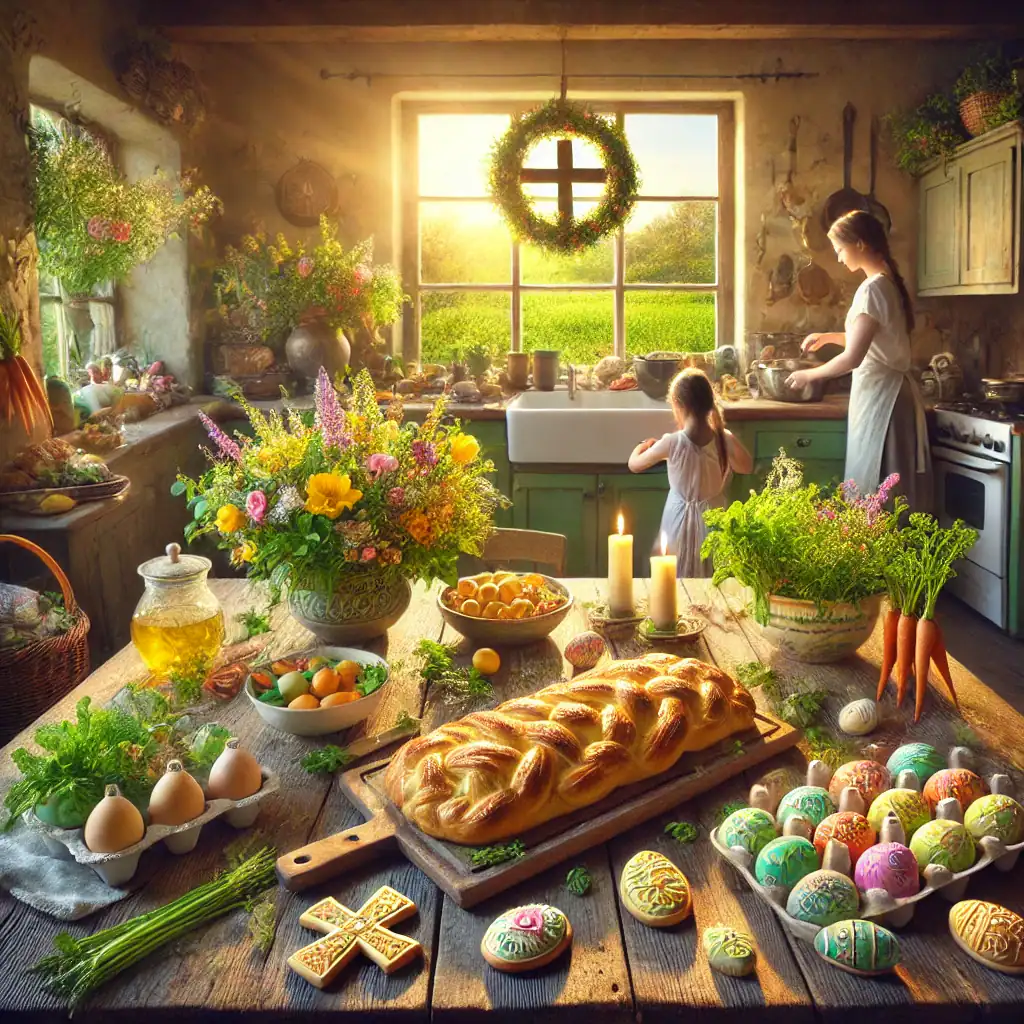
Baking bread during Ostara is a time-honored tradition that symbolizes sustenance, community, and the cycles of life. Braided bread, in particular, carries layers of symbolism, with its intertwined strands representing the interconnectedness of past, present, and future or the union of light and dark at the equinox.
The act of baking bread is deeply meditative, connecting practitioners to the primal elements of the earth—grain, water, and fire. Incorporating seeds like sunflower or poppy seeds into bread recipes adds an additional layer of fertility symbolism, as seeds hold the potential for life within them.
Food as a Manifestation of Gratitude
At its core, the symbolism of food during Ostara is about gratitude—gratitude for the earth’s abundance, for the light that returns to lengthen the days, and for the opportunities to grow and flourish in the season ahead. Each dish prepared and shared is a manifestation of this gratitude, a tangible way to honor the cycles of life and to align with the rhythms of nature.
When we gather around the table to share an Ostara feast, we do more than nourish our bodies; we nourish our spirits and our relationships. The symbolism of food reminds us that life is a cycle of giving and receiving, and that by celebrating and sharing the earth’s gifts, we strengthen our connection to the natural world and to one another.
A Season of Abundance and Renewal
The foods of Ostara tell the story of a season brimming with potential and the promise of renewal. From eggs to fresh greens to flowers and grains, each ingredient carries a piece of the earth’s energy, inviting us to celebrate life’s cycles and the abundance that surrounds us. Cooking and sharing meals during Ostara isn’t just about creating delicious dishes—it’s about weaving the magic of spring into every bite, nurturing both body and soul as we embrace the season of growth and balance.
Baking Ostara Bread: Braided Symbols of Life’s Cycles
Baking braided bread for Ostara is a sacred and creative ritual that celebrates the season’s central themes of renewal, interconnectedness, and abundance. This cherished tradition goes beyond mere baking—each twist and braid becomes a symbol of life’s cyclical nature, reflecting the balance of the equinox and the eternal turning of the Wheel of the Year. Through this practice, participants connect with the energies of spring, infusing their intentions into the bread as they work with the ingredients.
Symbolism in the Braiding Process
The act of braiding the dough is rich with symbolic meaning. Each strand intertwines with the others, creating a visual representation of the interconnected cycles of life—birth, growth, death, and rebirth. A simple three-strand braid can symbolize the past, present, and future, reminding us of how the lessons of the past inform the present and shape the future. Alternatively, a circular braid, woven into the shape of a wreath, can represent eternity and the cyclical nature of existence, echoing the seasonal cycles of planting, growth, harvest, and rest.
The repetitive and meditative motion of braiding allows for quiet reflection. As fingers work the dough into patterns, participants can focus their thoughts on their personal intentions for the season. Whether it’s gratitude for the returning light, a wish for growth, or a desire for balance, the braiding becomes a way to weave these hopes into a tangible form.
Connection to the Earth’s Abundance
Each ingredient in the bread serves as a reminder of the earth’s generosity. The flour comes from grains grown in the soil, nourished by sunlight and rain. Eggs, milk, and honey (if used) represent fertility, abundance, and the sweetness of life. Even herbs or dried fruits added to the bread reflect nature’s vibrant diversity and the gifts of the land. As the dough is shaped, there’s an opportunity to reflect on the interconnected web of life and give thanks for the resources that make such abundance possible.
The bread itself becomes a physical manifestation of the season’s energy. It’s a celebration of the earth’s ability to transform tiny seeds into sustenance, a testament to the fertility of the land as it awakens from winter’s slumber. Baking the bread during Ostara is not just about creating a meal; it’s an act of reverence for nature’s cycles and a way to bring the earth’s blessings into the home.
Mindful Preparation and Blessing
The preparation of Ostara bread isn’t hurried or rushed; it’s approached with intention and care. Kneading the dough is an act of grounding, connecting with the physical world and the present moment. This process is a time to pause, center oneself, and consider the intentions being placed into the bread. Whether working alone or with loved ones, the act of preparing the bread fosters mindfulness and a deeper appreciation for the season.
Before placing the bread in the oven, many practitioners take a moment to bless it. This blessing can be a silent thought, a spoken prayer, or a simple gesture of gratitude. Thank the earth for its abundance, the elements for their roles in creating the ingredients, and the returning light for its promise of growth. If baking as a group, each person can take turns offering their individual blessings or intentions, weaving a collective energy into the loaf.
Sharing the Bread
Once baked, the bread becomes more than just food—it’s a sacred centerpiece for your Ostara celebration. Sharing the bread with loved ones creates a communal experience that reflects the balance and harmony of the equinox. Each piece offered and received symbolizes unity, connection, and the shared hope for growth and renewal in the season ahead.
For those who practice solitary rituals, the bread can serve as a personal offering. Place it on your altar as a tribute to the season, to your deities, or to the earth itself. You might also use it in a small ritual of gratitude or abundance, breaking off a piece as a symbolic act of connection with the cycles of nature.
The Ritual of Baking Together
When baking Ostara bread with family or friends, the kitchen transforms into a sacred space. Laughter and conversation fill the air, and the shared act of creating something tangible strengthens bonds. Each participant can braid their own section of dough, infusing their unique energy and intentions into the collective loaf. This collaboration mirrors the balance of the equinox, where different elements come together in harmony.
Sharing stories, reciting blessings, or singing while you work adds an additional layer of meaning to the ritual. The process becomes more than just preparing food—it becomes a celebration of togetherness, creativity, and the promise of spring. It’s a way to honor the season as a community and to connect deeply with the themes of abundance and renewal.
A Symbol of Hope and Renewal
When you bake Ostara bread, you’re participating in a tradition that connects you to the cycles of the earth and to countless others who have celebrated the season before you. The braided patterns serve as a reminder of the threads that bind us to one another and to nature itself. As the bread rises in the oven, it symbolizes the potential for growth and the promise of brighter days ahead.
By the time the warm, golden loaf emerges, it carries not only the flavors of the season but also the intentions, blessings, and love poured into it. It stands as a testament to the resilience of life, the power of renewal, and the joy of shared celebrations. Whether served at a feast, offered in a ritual, or enjoyed quietly with tea, Ostara bread becomes a tangible and sacred representation of the season’s magic.
Creating Spring-Themed Treats: A Celebration of Symbols
Baking and decorating spring-themed treats is a joyful and creative way to honor the vibrant energy of Ostara. These sweet creations, adorned with seasonal symbols like eggs, rabbits, and flowers, embody the essence of the equinox, reflecting themes of fertility, renewal, and abundance. Whether enjoyed in solitude, shared with loved ones, or offered as gifts, these treats are a tangible expression of spring’s promise.
Decorating as a Celebration of the Season
Spring is a season of color and life, and decorating baked goods like sugar cookies or cupcakes offers the perfect canvas for celebrating its brightness. Pastel-colored icings evoke the soft hues of budding flowers and fresh greenery, while edible flowers and sprinkles bring a whimsical touch to each creation. Decorating becomes more than just a culinary exercise; it becomes an artful tribute to the beauty and optimism of spring.
The act of decorating also offers an opportunity for mindfulness. As you apply icing, arrange edible flowers, or sprinkle decorations, take a moment to connect with the symbolism of your designs. Each stroke of color and each carefully placed element can carry intention—whether it’s a wish for growth, a blessing of abundance, or gratitude for the season’s gifts.
Celebrating Ostara Symbols
Spring-themed treats are an invitation to incorporate Ostara’s rich symbolism into your celebration. Decorating cookies or cupcakes with shapes and motifs like eggs, rabbits, and flowers brings deeper meaning to these sweet creations, making them both festive and sacred.
- Eggs: As universal symbols of fertility and new beginnings, eggs represent the potential for growth and the start of something new. They remind us of life’s cyclical nature and the opportunities for renewal that come with each season. Adorn your treats with egg-shaped designs or decorations in soft pastel tones to highlight these themes.
- Rabbits: Often associated with abundance and the rapid cycle of life, rabbits symbolize the flourishing energy of spring. They are a playful and enduring symbol of Ostara. Using rabbit-shaped cookie cutters or bunny decorations on cupcakes adds a lighthearted touch while honoring this traditional icon of renewal.
- Flowers: Representing beauty, growth, and the blossoming of life, flowers are a central motif of Ostara. Decorate your baked goods with edible flowers, such as pansies, violets, or marigolds, to infuse them with the season’s vitality. Icing in floral patterns or shapes can also invoke the cheerful essence of springtime blooms.
Sharing Treats as an Act of Connection
One of the most meaningful aspects of creating spring-themed treats is sharing them. Ostara is a time of connection—both with the earth and with others. By making extra treats to share with neighbors, friends, or even wildlife, you honor the spirit of abundance and community that defines the season.
- Neighbors and Friends: Pack small boxes or trays of your decorated cookies or cupcakes to deliver to loved ones. Include a note or blessing for the season, spreading the joy of Ostara beyond your own household.
- Edible Wildlife Offerings: Consider creating wildlife-safe treats, such as seed-coated biscuits or unsweetened oat-based cookies, as an offering to the animals around you. These simple acts of giving back to nature reflect gratitude for the earth’s abundance and foster harmony with the world around us.
A Meaningful Tradition for All
The process of baking and decorating spring-themed treats can become a cherished Ostara tradition. Whether done alone as a meditative act, with family as a shared activity, or with a group of friends in celebration, it encourages creativity and connection. Beyond the kitchen, the treats themselves become symbols of the season’s joy, embodying the light, hope, and vitality that Ostara brings.
By engaging with the symbols of spring and infusing your creations with intention, you turn a simple activity into a meaningful ritual. Each decorated cupcake or cookie becomes a celebration of the season, a reflection of its beauty, and a token of its blessings, carrying the energy of Ostara to those who enjoy them.
Preparing Seasonal Meals: Honoring the Bounty of Spring
As Ostara celebrates the balance between night and day, it also marks the turning of the wheel toward growth, abundance, and renewal. This season’s bounty of fresh, vibrant ingredients becomes the foundation for meals that nourish both body and spirit. Preparing and sharing meals made with spring’s offerings is more than just a culinary activity; it is a way of connecting with the earth’s rhythms, fostering gratitude for nature’s gifts, and celebrating the cyclical nature of life.
Seasonal Ingredients: Nature’s Gift of Renewal
Spring ushers in an array of ingredients that reflect the vitality and awakening of the earth. Leafy greens like spinach, arugula, and kale symbolize growth and rejuvenation. Asparagus, with its fresh shoots, represents the earth breaking free from dormancy, while vibrant carrots, radishes, and peas echo the colors and energy of the season. Fresh herbs—mint, rosemary, thyme, and parsley—add aromatic freshness to dishes, embodying the vibrancy of new beginnings.
Selecting these ingredients for your Ostara meals aligns with the themes of fertility, renewal, and the promise of abundance. Choosing locally sourced or homegrown produce deepens this connection, grounding your celebration in the cycles of your immediate environment.
Creating a Seasonal Menu
Crafting a menu that highlights spring’s gifts is a creative and symbolic way to honor Ostara. Each dish can reflect a facet of the season, from the delicate balance of nature to the vibrant energy of renewal. Consider dishes that emphasize the freshness and symbolism of spring:
- Spring Salad: Celebrate the earth’s renewal with a vibrant salad featuring tender greens, radishes, carrots, and edible flowers. A light vinaigrette ties the ingredients together, mirroring the harmony of spring’s elements.
- Asparagus Quiche: Combining fresh asparagus with eggs and cheese in a flaky crust creates a dish that celebrates fertility, growth, and the nurturing energy of Ostara. The vibrant green of asparagus also reflects the season’s color palette.
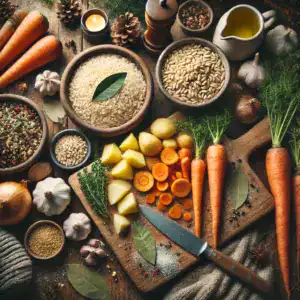
- Root Vegetable Soup: As winter loosens its hold, a warm soup made with carrots, parsnips, and herbs bridges the transition from the cold season to the warmth of spring. This comforting dish honors the earth’s ability to sustain life even during its dormant phases.
- Herb-Infused Flatbread: Simple yet flavorful, flatbreads topped with fresh herbs like rosemary, thyme, or mint connect you to the season’s essence. Their earthy flavors remind us of the gifts of the soil, while the act of breaking bread together fosters a sense of community.
Rituals of Cooking and Connection
The act of cooking these seasonal dishes can become a ritual in itself, an offering to both the earth and your loved ones. Working together to prepare the meal fosters connection, not only to the ingredients but also to one another. This shared activity becomes an opportunity to reflect on the season’s themes and to set intentions for growth and abundance in the months to come.
As you wash, chop, and prepare ingredients, take a moment to express gratitude for the earth’s gifts. Infuse your actions with intention, whether you’re peeling carrots with a wish for vitality or kneading dough with thoughts of balance and harmony. The preparation process becomes a tangible way to honor the interconnected cycles of life.
Sharing the Meal: A Sacred Act
Gathering around the table to enjoy the meal is the culmination of the Ostara feast. This shared moment offers an opportunity to connect with those you care about, express gratitude for the earth’s abundance, and celebrate the turning of the seasons. Before eating, consider holding a brief moment of reflection or blessing, thanking the earth for its gifts and honoring the themes of Ostara.
As you savor the meal, engage in meaningful conversation about the season’s symbolism. Share your hopes and intentions for the coming months, weaving a sense of purpose and renewal into the meal. The act of sharing food in this mindful way transforms a simple meal into a sacred experience, embodying the spirit of Ostara.
The Nourishment of Ostara
Preparing and sharing seasonal meals during Ostara is an act of harmony and gratitude. It celebrates the earth’s abundance, honors the cycles of growth and renewal, and brings people together in a shared appreciation of life’s blessings. By cooking with intention, enjoying the fruits of your labor, and connecting with loved ones, you align yourself with the vibrant energy of the season, creating a celebration that is as nourishing to the soul as it is to the body.
Making Herbal Tea: A Toast to Gratitude and Connection
The simple act of brewing and sharing herbal tea during Ostara holds profound meaning, transforming it into a ritual that celebrates the energy of renewal, gratitude, and connection. Herbal teas connect us to the nurturing power of nature, as each herb carries its own symbolism, history, and energy. This mindful practice provides an opportunity to pause, reflect, and unite in the spirit of the season.
Spring Tea Blends: Connecting with Nature’s Vitality
The herbs chosen for your Ostara tea reflect the season’s themes of growth, fertility, and rejuvenation. Spring-inspired herbs such as mint, chamomile, lemon balm, dandelion, lavender, or nettle embody the freshness and vitality of the equinox. Each herb carries its own symbolism—mint for clarity and renewal, chamomile for calm and healing, lemon balm for joy and balance, and dandelion for resilience and cleansing.
Crafting your own tea blend becomes an act of intention and creativity. Whether you’re combining herbs based on their flavors or their spiritual properties, you’re engaging directly with the earth’s bounty. This blend becomes more than just a beverage; it becomes a personal reflection of the season’s energies and the qualities you wish to welcome into your life.
Ritual Brewing: Mindful Preparation with Purpose
Brewing tea for Ostara can evolve into a meaningful ritual that deepens your connection to the season and the people around you. Begin by selecting your herbs, inviting everyone involved to take part in choosing combinations that resonate with their personal intentions. Touching and smelling the herbs, recognizing their textures and aromas, fosters a sense of connection to nature’s gifts.
As you steep the herbs in hot water, treat the process as a sacred act. Take a moment to reflect on what you’re grateful for and what you hope to manifest in the coming season. This quiet contemplation imbues the tea with your intentions, transforming it into a vessel for personal growth and gratitude.
For an added layer of connection, consider offering a blessing or words of thanks to the earth, the elements, or the deities of the season as the tea steeps. Focus on the transformative power of water and fire, which together bring the essence of the herbs to life, mirroring Ostara’s themes of balance and renewal.
A Shared Moment: Sipping the Season’s Energy
The sharing of tea becomes a communal celebration, a space for gratitude and connection. As you gather with friends, family, or members of your spiritual community, let the tea serve as both a physical and symbolic offering—a bridge between the earth’s gifts and your collective intentions for the season.
As the tea is poured, take time to engage in meaningful conversation. Reflect on your hopes for the spring, share stories of personal growth, or discuss the season’s themes of balance and renewal. Each sip of tea becomes an act of mindfulness, a grounding reminder of the energy and abundance that Ostara brings.
For added symbolism, you may wish to drink your tea outdoors, surrounded by the awakening beauty of nature. Sitting under budding trees, near blooming flowers, or on freshly greening grass, the act of sipping tea becomes a quiet acknowledgment of your connection to the earth and its cycles.
The Deeper Meaning: Tea as a Sacred Offering
Herbal tea, though simple, carries layers of meaning during Ostara. The preparation and sharing of tea mirror the earth’s rhythms and cycles. As the herbs release their essence into the water, they reflect the energy of transformation and renewal that defines the equinox. Drinking tea in a mindful and intentional way creates a ritual of appreciation, offering thanks to the earth for its abundance and to one another for the shared connection.
Tea can also serve as an offering to the deities or spirits of the season. Set aside a small portion for your altar or place it in a meaningful spot outdoors. This act of giving back aligns with Ostara’s energy of balance and reciprocity, deepening your connection to the spiritual and natural worlds.
Fostering Gratitude and Connection
The simple act of brewing and sharing herbal tea becomes an accessible yet deeply symbolic way to celebrate Ostara. It encourages mindfulness, gratitude, and connection with nature and loved ones. Whether enjoyed as part of a family gathering, a spiritual circle, or a quiet personal ritual, tea-making offers a moment to align with the season’s themes and reflect on the abundance and renewal that spring brings.
Through this meaningful tradition, the essence of Ostara is brought to life—an embrace of the earth’s gifts, a celebration of connection, and a toast to the beauty of renewal.
Bringing Sacred Energy into Your Ostara Kitchen
Cooking and baking during Ostara go beyond the creation of meals—they become acts of celebration, mindfulness, and connection to the season’s themes of renewal and balance. Each action, ingredient, and decoration becomes imbued with symbolic meaning, aligning your culinary efforts with the vibrant energy of spring.
Infuse Your Work with Intention
The process of preparing food for Ostara offers a unique opportunity to weave positive energy and meaningful intentions into everything you create. As you chop, stir, and bake, allow your thoughts to focus on the themes of the season: growth, abundance, balance, and renewal. Visualize the transformation of raw ingredients into nourishing dishes as a metaphor for your own personal growth and the renewal of the earth around you.
Each movement—kneading dough, stirring a pot, or arranging ingredients—can be performed mindfully, turning ordinary actions into sacred rituals. Whisper blessings or affirmations as you work, such as, “May this food nourish our bodies and bring abundance into our lives.” This intentional energy not only enhances your connection to the season but is also “woven” into the food itself, creating a meal that is both physically and spiritually fulfilling.
Use Seasonal Decorations
Creating a festive atmosphere in your kitchen or dining space helps bring the spirit of Ostara alive. Adorn your table or countertops with fresh spring flowers like daffodils, tulips, or crocuses, which symbolize new beginnings and growth. Incorporate vibrant green herbs like parsley, mint, or thyme, which not only enhance the visual appeal of your space but also align with the fresh energy of the season.
To reflect the symbols of Ostara, include decorative eggs, representing fertility and renewal, and rabbits, signifying abundance and vitality. Soft pastels like yellow, lavender, pink, and light green can be used in table linens, candles, or place settings to further enhance the festive, springlike atmosphere. Your decor transforms your cooking and dining areas into a sacred space for celebrating the equinox, blending visual beauty with the season’s themes.
Set Up an Altar Nearby
Bringing a small altar into your kitchen or dining area is a powerful way to incorporate spiritual energy into your Ostara celebrations. Choose a nearby counter or small table and decorate it with symbols that honor the season. Fresh blooms, painted eggs, small figures of rabbits or birds, and seasonal produce like carrots or leafy greens can serve as offerings and decorations. Include candles to represent the growing light and balance of day and night, and perhaps a small bowl of seeds or grain to symbolize potential and abundance.
Your altar doesn’t have to be elaborate; even a few thoughtfully chosen items can create a sacred focal point. Before cooking or feasting, take a moment to pause at the altar, expressing gratitude for the season’s abundance and asking for blessings on the food you prepare. The presence of this sacred space elevates the act of cooking and eating into a spiritual experience.
Embrace Sustainability
Ostara celebrates the earth’s renewal, making it an ideal time to reflect on your relationship with nature and embrace sustainable practices in the kitchen. Choose locally-sourced, in-season ingredients to reduce your ecological footprint and connect with the rhythms of the earth. Shopping at local farmers’ markets not only supports your community but also ensures that the produce you use reflects the natural abundance of your region.
As you prepare your meals, be mindful of minimizing food waste. Compost vegetable scraps, eggshells, and other biodegradable materials to return nutrients to the earth and close the cycle of renewal. This act not only honors the earth but also reinforces the themes of balance and reciprocity inherent in Ostara.
Consider using reusable or eco-friendly utensils, cloth napkins, and dishware to reduce waste during your celebrations. Even small changes, like choosing glass over plastic or repurposing leftovers creatively, contribute to a more sustainable lifestyle and align your actions with the values Ostara represents.
Cooking as a Sacred Ritual
By infusing your culinary efforts with intention, surrounding yourself with seasonal beauty, honoring the earth through sustainability, and incorporating an altar into your space, the act of preparing food for Ostara becomes much more than a chore—it becomes a sacred ritual. Every aspect, from selecting ingredients to decorating your table, becomes a celebration of the earth’s renewal, the light’s return, and the potential for growth and abundance in the months ahead.
When the meal is served, gather with loved ones to savor not just the food but the energy and care that went into its creation. Take a moment to express gratitude for the earth’s gifts, for one another, and for the opportunities that spring promises. In this shared moment of connection, the deeper essence of Ostara is realized: balance, abundance, and the joyful renewal of life.
Conclusion: A Celebration of Togetherness
Baking and cooking together for Ostara is more than just creating a meal—it’s about fostering connection, gratitude, and a deeper relationship with the earth and its cycles. By sharing these activities with loved ones or engaging in them as personal rituals, you bring the energy of spring into your home and your heart. As you enjoy the fruits of your labor, take a moment to celebrate the abundance around you and the promise of growth and renewal that Ostara brings. May your kitchen be filled with warmth, laughter, and the magic of the season!