Introduction
Greek Goddess of the Harvest
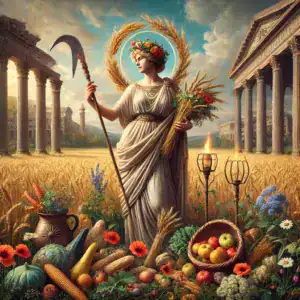
In Greek mythology, Demeter is the revered goddess of the harvest, grain, and fertility. As one of the Twelve Olympians, she holds a significant place in the pantheon, and her influence on agriculture is profound. Demeter is credited with teaching humanity the art of cultivating the earth, ensuring the growth and productivity of crops, which is fundamental to survival and prosperity. Her role extends beyond merely overseeing agricultural processes; she embodies the earth’s fertility and the cycles of life, death, and rebirth.

The Myth of Demeter and Persephone
One of the most poignant and well-known myths associated with Demeter is the story of her daughter Persephone’s abduction by Hades, the god of the underworld. This myth is central to understanding the ancient Greeks’ interpretation of the changing seasons.
According to the myth, Persephone was gathering flowers in a meadow when Hades, smitten by her beauty, emerged from the underworld and abducted her to be his queen. Demeter, stricken with grief and despair, searched the earth tirelessly for her daughter. During this time, her sorrow caused the earth to become barren and lifeless, leading to the desolation of winter.
Ultimately, a compromise was reached: Persephone would spend part of the year with Hades in the underworld and the remaining part with Demeter on the earth’s surface. When Persephone is in the underworld, Demeter mourns, and winter casts its cold shadow over the land. However, when Persephone returns to her mother, Demeter’s joy brings forth the bloom of spring and the abundance of summer. This cycle of descent and return, death, and rebirth mirrors the agricultural cycle of planting, growth, harvest, and dormancy.
The Abduction of Persephone
According to the myth, Persephone was gathering flowers in a lush meadow when Hades, smitten by her beauty, emerged from the underworld and abducted her to be his queen. The earth split open, and Hades seized Persephone, dragging her into the depths of his dark realm. This sudden and forceful act marked the beginning of a long period of sorrow and suffering for both Demeter and the earth.
Demeter’s Despair
Demeter, the goddess of the harvest and fertility, was stricken with grief and despair at the loss of her beloved daughter. She wandered the earth tirelessly, searching for any sign of Persephone. In her mourning, Demeter neglected her duties, and the earth responded to her sorrow. The once fertile and vibrant fields became barren and lifeless, crops withered, and the world was plunged into a desolate winter. This period of barrenness and death symbolized the profound impact of Demeter’s grief on the natural world.
The Compromise and the Changing Seasons
The plight of Demeter and the resulting famine did not go unnoticed by the other gods. Zeus, the king of the gods, intervened to bring balance back to the earth. A compromise was reached: Persephone would spend part of the year with Hades in the underworld and the remaining part with Demeter on the earth’s surface. This agreement brought about the cyclical change of seasons that the ancient Greeks observed.
When Persephone is in the underworld, Demeter mourns, and her sorrow casts a cold shadow over the land, resulting in the desolation of winter. The earth becomes dormant, mirroring Persephone’s absence. However, when Persephone returns to her mother, Demeter’s joy and happiness are restored, bringing forth the bloom of spring and the abundance of summer. The earth awakens with new life, flowers blossom, and crops flourish, symbolizing the reunion of mother and daughter.
The Agricultural Cycle
This myth of descent and return, death and rebirth, is a powerful metaphor for the agricultural cycle of planting, growth, harvest, and dormancy. It reflects the rhythms of nature that are crucial for the survival and prosperity of human societies. The earth’s fertility is directly tied to the presence of Persephone, just as the productivity of crops depends on the cycles of the seasons.
Symbolism and Significance
The myth of Demeter and Persephone encapsulates themes of love, loss, and renewal. It underscores the deep bond between mother and daughter, highlighting the lengths to which Demeter would go to ensure her daughter’s return. It also emphasizes the interconnectedness of life and death, showing that death is not an end but a necessary part of the cycle of life. The seasonal changes, marked by Persephone’s movements between the underworld and the earth, serve as a reminder of the perpetual cycle of growth, decay, and rebirth.
Rituals and Festivals
In ancient Greece, this myth was celebrated through various rituals and festivals, most notably the Eleusinian Mysteries. These secret rites were held in honor of Demeter and Persephone and were intended to offer initiates a deeper understanding of life and death, promising spiritual renewal and hope for an afterlife. The Eleusinian Mysteries were among the most important religious ceremonies in ancient Greece, reflecting the profound impact of this myth on Greek culture and spirituality.
Modern Relevance
Even today, the myth of Demeter and Persephone continues to resonate. It serves as a powerful reminder of the resilience of life, the inevitability of change, and the enduring strength of love. The story encourages us to find hope in times of darkness, knowing that renewal and growth will follow. By honoring Demeter and Persephone during seasonal celebrations such as Lughnasadh, we acknowledge the timeless wisdom embedded in their story and the enduring cycles of nature that sustain us.
Honoring Demeter During Lughnasadh
During Lughnasadh, a festival that marks the beginning of the harvest season, invoking Demeter involves acknowledging her essential role in the processes of planting, growing, and harvesting. This celebration can include various rituals and activities that pay tribute to her contributions to agriculture and her vital presence in the natural world.
Offerings of the First Fruits
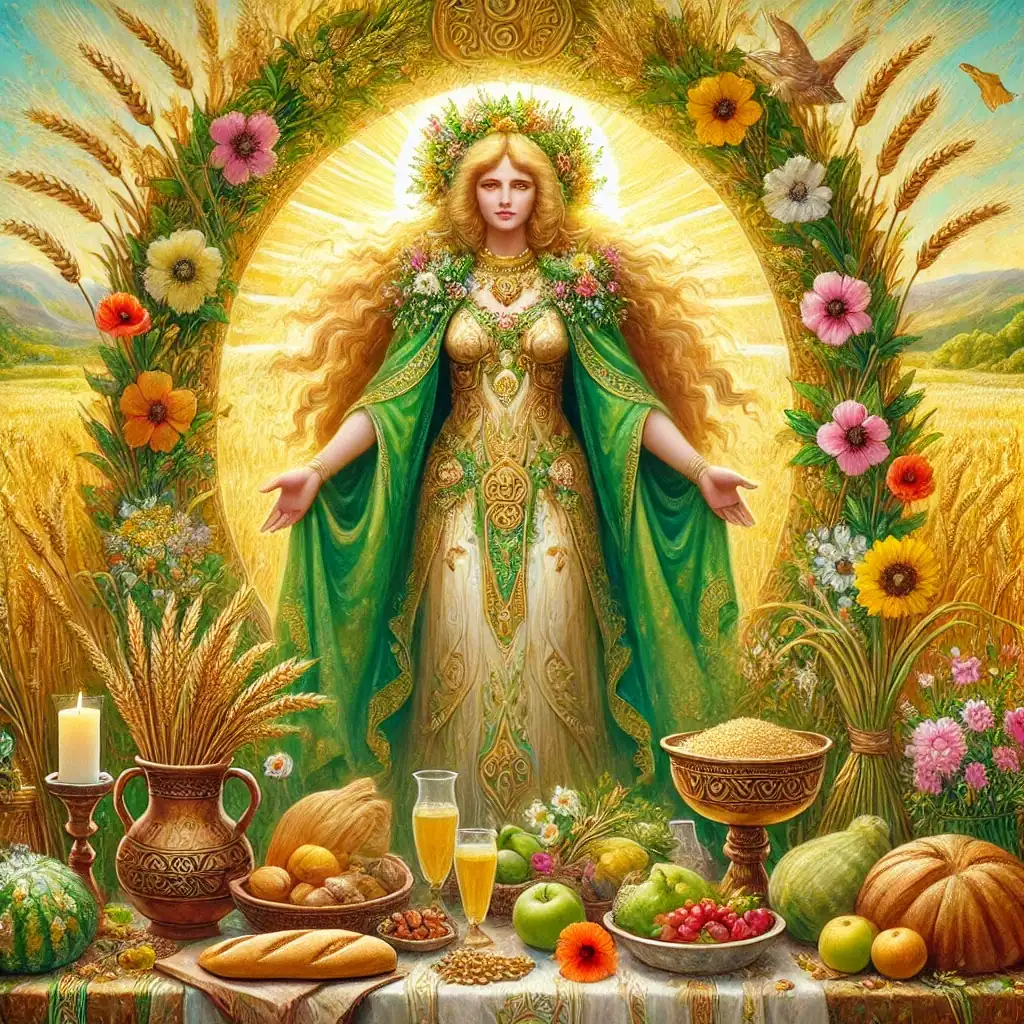
One of the primary ways to honor Demeter is through offerings of the first fruits of the harvest. This practice symbolizes gratitude for the bounty provided by the earth and acknowledges Demeter’s role in ensuring the fertility of the land. These offerings can include grains, fruits, vegetables, and other produce that represent the season’s abundance. Placing these items on an altar or a designated sacred space serves as a tangible expression of thanks and reverence for the goddess’s blessings. The act of giving the first and best of the harvest back to the earth reinforces the cycle of reciprocity and respect for nature’s gifts.
Rituals Involving Grains and Bread
Rituals that involve grains and bread are deeply symbolic of Demeter’s connection to agriculture. Baking bread from freshly harvested grain can be a meaningful ritual, symbolizing the transformation of raw ingredients into sustenance. Participants might shape the dough into symbols associated with Demeter, such as sheaves of wheat or cornucopias, and offer these loaves as tokens of gratitude. This practice not only honors Demeter but also highlights the hard work and dedication involved in growing and preparing food. Sharing the baked bread with family and community members can create a sense of unity and shared appreciation for the earth’s bounty.
Songs and Dances
Performing songs and dances that celebrate the harvest and honor Demeter can also be an integral part of Lughnasadh festivities. These artistic expressions serve as a reminder of the joy and abundance that the harvest brings and create a sense of community and shared purpose among celebrants. Traditional harvest songs, chants, and folk dances can be incorporated into the celebration, invoking the spirit of Demeter and celebrating the fruitful season. Dancing around a bonfire or in a field of ripened crops can evoke a sense of connection to the ancient rhythms of the earth and the cycles of growth and renewal.
Decorating Altars
Setting up altars adorned with symbols of the harvest, such as wheat sheaves, corn dolls, and seasonal fruits, can create a focal point for worship and reflection. Including images or statues of Demeter on these altars helps to center the rituals around her presence and influence. The altar can be further embellished with candles, flowers, and other items that resonate with the energy of the season. Each element on the altar serves as a reminder of Demeter’s gifts and the interconnectedness of all life. This sacred space can be used for prayer, meditation, and communal gatherings, fostering a deeper spiritual connection to the harvest and to Demeter.
Reflection and Meditation
Taking time for reflection and meditation on the cycles of nature and Demeter’s role in these processes can deepen one’s connection to the earth and the divine. Meditative practices might involve visualizing the growth and harvest cycle, offering silent prayers of thanks, or simply spending quiet moments in nature, absorbing its beauty and vitality. Reflecting on the myths and stories of Demeter and Persephone can provide insights into the natural rhythms of life and the importance of nurturing both the land and our inner selves. By engaging in these contemplative practices, individuals can cultivate a greater sense of gratitude, harmony, and balance in their lives, aligning themselves with the sacred cycles of the earth.
Demeter’s Symbols and Their Meanings
Symbols of Demeter
Demeter, the Greek goddess of the harvest, is closely associated with several powerful symbols, each representing different aspects of her dominion over agriculture and fertility. Here are some of the key symbols associated with Demeter:
- Wheat Sheaves: Perhaps the most iconic symbol of Demeter, wheat sheaves represent the bountiful harvest and the sustenance provided by the earth. Wheat is a staple crop that has been vital to human survival for millennia, symbolizing nourishment, prosperity, and the cycle of growth and reaping.
- Poppies: These vibrant flowers are often linked to Demeter and symbolize fertility, beauty, and rest. In ancient Greece, poppies were associated with the cycle of life and death, echoing Demeter’s connection to the seasons and the agricultural cycle.
- Cornucopias: Also known as the horn of plenty, the cornucopia is a symbol of abundance and nourishment. It is often depicted overflowing with fruits, grains, and vegetables, highlighting the richness of the harvest and the earth’s ability to provide for humanity.
Incorporating Symbols into Rituals
Incorporating these symbols into your Lughnasadh rituals and decorations can enhance your connection to Demeter and the themes of the harvest season. Here are some practical ways to include these powerful symbols:
- Wheat Sheaves in Rituals: Use dried wheat sheaves to decorate your altar or home. You can create simple yet beautiful arrangements with wheat tied together with ribbons in colors associated with the harvest, such as gold, green, and brown. Consider incorporating wheat sheaves into ritual activities, such as using them in a blessing ceremony or as a focal point for meditation on abundance and gratitude.
- Poppy Decorations: Fresh or dried poppies can be placed on your altar or around your home to honor Demeter. You might also use poppy seeds in your baking or cooking as a way to symbolically ingest the blessings of the goddess. Including poppies in your ritual space can serve as a reminder of the cycles of life, death, and rebirth.
- Cornucopias as Centerpieces: Create a cornucopia centerpiece for your Lughnasadh feast table. Fill it with fresh fruits, vegetables, nuts, and grains to symbolize the abundance of the season. This visual representation of plenty can be a central element in your celebrations, reminding participants of the earth’s generosity. During rituals, the cornucopia can also serve as a vessel for offerings to Demeter, holding tokens of gratitude and prayers for continued fertility.
Conclusion
By thoughtfully incorporating these symbols into your Lughnasadh celebrations, you not only honor Demeter but also deepen your connection to the cycles of nature and the harvest. Each symbol serves as a tangible reminder of the goddess’s influence and the abundant blessings of the season. Engaging in these practices allows participants to acknowledge Demeter’s vital role in agriculture and express their gratitude for the earth’s bounty. This recognition of her contributions helps to strengthen the bond between humanity and the natural world, fostering a profound sense of respect and reverence for the cycles that sustain life. As we celebrate Lughnasadh, let us remember Demeter’s enduring legacy and strive to live in harmony with the rhythms of nature, appreciating the abundance and prosperity that the harvest brings.