Introduction
A Spirited Celebration of Flame, Fertility, and Union Under the May Moon
As spring ripens into summer and the earth hums with energy, the ancient fire festival of Beltane bursts into life. Celebrated on the night of April 30th into May 1st in the Northern Hemisphere, Beltane is a liminal moment—a cross-quarter sabbat—that marks the halfway point between the Spring Equinox and the Summer Solstice. It’s a time of fertility, fire, union, and ecstatic celebration, where the veil between worlds grows thin, and the earth itself seems to dance.
And at the heart of many modern and ancient Beltane celebrations lies one of its most potent and captivating traditions: The Beltane Fire Dance. More than just a performance or ritual, this dance is a visceral embodiment of transformation, sensuality, and divine spark. Let us dive into the flames and discover the story and significance of this fiery rite.

The Fire Dance in Beltane History
Beltane, one of the four major fire festivals of the ancient Celts, has long been celebrated as a threshold—between spring and summer, between the seen and unseen, between ordinary time and sacred time. At its core, Beltane was a festival of fire, honoring the life-giving energy of the sun as it ascended toward its full summer power. Across the Celtic lands—from the lush green hills of Ireland to the misty highlands of Scotland and the wind-swept isles of Wales and the Isle of Man—great bonfires were kindled on hilltops, their smoke spiraling into the sky as a prayer and offering to the divine forces of nature.
These fires weren’t just symbolic—they were sacred tools of purification, protection, and fertility. Cattle, vital to the livelihood of many Celtic tribes, were driven between two fires or through the smoke to cleanse them of illness and misfortune. People would pass through the smoke themselves to receive blessings for health and prosperity. Embers from the communal bonfire were often carried back to the hearth, reigniting the home with sacred flame. The Beltane fires were believed to burn away stagnation, fertilize the spirit, and seal the community’s pact with the divine natural world.
Though there is no archaeological or textual evidence to suggest that fire dancing in the modern sense—with poi, torches, or choreographed performances—was practiced by ancient Celts, the ritualistic use of movement, rhythm, and ecstasy was certainly present. People danced in circles, leapt over the flames, and celebrated through song, drumming, and intimate revelry. Dance was not only celebratory—it was also a prayer in motion, a way to commune with the sacred forces embodied in the earth, the fire, and each other.
The Maypole, often associated with Beltane, became another focal point of communal movement and fertility ritual. Dancers—traditionally young people of marriageable age—would weave ribbons around the pole in spirals, mimicking the interlacing energies of the masculine and feminine, sun and earth, growth and potential. This spiral motion echoed the rhythms of nature and the sacred geometry of life itself.
In this rich context of rhythmic celebration, sacred fire, and fertility rites, the modern Beltane Fire Dance emerges—not as an exact replication of ancient custom, but as a living ritual inspired by its essence. Today’s fire dancers, whether spinning flame in the darkness or moving ecstatically around a bonfire, are the inheritors of this ancient fire magic. Their movements, guided by drumbeats and intention, are offerings to the same deities and earth spirits once honored by our ancestors. The fire becomes a stage, a temple, and a portal through which the veil between worlds grows thin, and the primal forces of creation are awakened and celebrated.
Rather than a historical reenactment, the modern fire dance is a personal and collective act of devotion—to the body, to the land, and to the wild and fertile mystery of Beltane. It is a reminder that we are not separate from the cycles of nature, but dancers within them—spinning, stomping, and leaping with joy, as the flames rise and the world blooms anew.
Symbolism of the Fire Dance
The Beltane Fire Dance is more than celebration—it is ritual in motion, a living prayer that unites body, spirit, and flame under the open sky. In the flicker of firelight and the beat of the drum, dancers become channels of Beltane’s powerful seasonal energies. Every step, spin, and breath becomes a sacred act, weaving together the ancient and the modern in an embodied offering to the earth, the gods, and one another.
FIRE as Transformation
At the heart of Beltane is the element of fire—not merely a source of heat and light, but a living spirit that burns away what no longer serves. The fire represents transformation, a threshold between what has been and what will be. As dancers move through the light and shadows cast by the flames, they enact the alchemy of release and renewal. The fire consumes old fears, stagnant energy, regrets, and doubts, and in their place ignites passion, purpose, fertility, and courage. It is the crucible where intentions are forged, where the soul is reminded of its innate power to rise and renew.
MOVEMENT as Magic
The Fire Dance is not a performance—it is ritual magic in motion. Each stomp upon the earth resonates like a heartbeat, each sway or spin like the turn of the seasons. The dance becomes a spell cast through the body, where intention is focused not in words but in motion. Kinetic energy becomes sacred energy, released with every breath and step. It is in this ecstatic movement that dancers shed layers of self-consciousness and inhibition, entering trance states where the veils thin, and divine presence becomes palpable. Here, the body remembers its ancestral language—the language of rhythm, fire, and freedom.
UNION of Opposites
Beltane honors the sacred union of the God and Goddess, the divine masculine and feminine, the sun and the fertile earth. It is the celebration of life’s sacred polarity and the passionate embrace of opposites. Within the Fire Dance, this sacred duality is expressed through interwoven movements, partnered dances, and symbolic gestures of balance and harmony. Two dancers circling each other in fire’s glow might represent the Lord and Lady in their sacred marriage, or the merging of desire and spirit, of the wild and the divine. The fire itself becomes a third presence—the spark of union, the flame of life birthed from the meeting of opposites.
RELEASE and REBIRTH
The fire circle becomes a space where everything is welcome—grief, laughter, longing, ecstasy, release. The dance offers catharsis, a channel through which emotions flow freely, unburdened and unhindered. This sacred release prepares the soul for rebirth—for stepping out of the firelight renewed, lightened, and empowered. Like the earth awakening from winter, the dancer emerges reawakened, carrying the vital force of spring into the fertility of summer. It is a resurrection through rhythm—a shedding of the old skin, and the blessing of a new beginning.
What Happens During a Beltane Fire Dance?
Though every Beltane gathering is shaped by its people, land, and lineage, the Beltane Fire Dance often unfolds in a sacred progression—a weaving of ritual, rhythm, and reverence that stirs the spirit and honors the season’s sacred pulse. Each element of the fire dance is a threshold, inviting participants deeper into the mystery, magic, and mythos of Beltane. The ritual becomes a container for transformation—a night where time bends, where body becomes prayer, and where the veil between worlds grows thin.
1. The Lighting of the Fire: Igniting Divine Will
The rite begins with the kindling of the central fire, a moment of profound intention and spiritual alignment. Often lit using friction methods, flint and steel, or a ceremonial spark, the fire is born in silence, symbolizing a sacred birth—the return of the sun’s virility and the earth’s blossoming fertility.
This act is more than practical; it is an invocation. Prayers, blessings, and invocations are spoken or chanted as the flame takes life, calling upon deities such as:
- Brigid, keeper of flame, creativity, and healing
- Cernunnos, horned god of fertility, wilderness, and wild instinct
- The May Queen, radiant goddess of spring’s sensuality and grace
- The Green Man, spirit of the forest and divine masculine in bloom
Participants often stand in quiet reverence or hum low, grounding tones as the fire grows. The first flicker of flame is seen as the awakening of spirit, a signal that the ritual has begun and the threshold has been crossed.
2. Drumming Begins: Awakening the Primal Pulse
Once the fire is lit, the heartbeat of the circle begins. Drums rise—slow and steady at first, echoing the rhythm of the earth, the womb, the breath of all life. As the beat quickens, energy begins to spiral. The drums call the dancers to life, stirring the body’s memory of ancient rites and wild joy.
The drumming isn’t just accompaniment—it is the voice of Beltane itself, and each rhythm speaks a different story: desire, union, release, ecstasy, transformation. Other instruments may join—rattles, flutes, didgeridoos, or even the primal power of human voices lifted in chant.
In many traditions, the drum circle is the spine of the ritual, holding the energy even when chaos or silence arises. It grounds the experience and guides the dancers through altered states of awareness.
3. Enter the Dancers: Vessels of Flame and Spirit
One by one, or all at once, the dancers emerge. They enter the sacred space in silence, procession, or explosive joy—each depending on the group’s intention and energy. Their appearance is often ceremonial and symbolic, blending sensuality, myth, and earth magic:
- Adornments: Flowing silks, antlers, flower crowns, body paint, bells, feathers, animal skins
- Fire Implements: Torches, candles, fire poi, staff twirlers, or fire fans
- Masks and Costumes: Spirits of the forest, archetypal deities, or primal forces embodied
These are not costumes of performance, but sacred vestments—each dancer becomes a living spell, embodying desire, transformation, and connection. Some may dance with specific roles, such as representing the May Queen or Green Man, while others arrive as themselves, yet transformed by intention and sacred purpose.
Each dancer holds a personal thread in the tapestry of the ritual: something to be released, something to be invoked, something to be reclaimed. As their bodies move, they weave those threads into the collective ritual energy.
4. The Dance: Ecstatic Spiral of Fire and Flesh
Now the fire blazes and the beat throbs like a second heart. The dance erupts—wild, sensual, reverent. It is not choreographed but primal, intuitive, electric. Dancers circle the flames, some slowly and deliberately, others in frantic ecstasy.
Common elements in the dance include:
- Fire Leaping: Participants leap over small flames or fire pits to symbolize courage, love, purification, or fertility. Each jump is a rite of passage—a leap of faith.
- Spiral Dances: The group moves in and out of spiral formations, mimicking the rhythms of nature and the spiral of creation itself.
- Partner Dances: Individuals join in playful or symbolic courtship dances, reflecting the dance of polarity and divine union.
- Solitary Trance: Some find a private space at the fire’s edge, swaying in deep communion with the flame, entering altered states of vision or healing.
The fire dance may last for hours, with waves of energy rising and falling. It is a sacred vortex—where time slows, where emotions flow freely, where the fire becomes the sun, and the dancers, its orbiting stars. It is not uncommon for participants to laugh, cry, howl, or collapse in ecstatic release.
5. Climactic Union and Blessing: Sacred Integration
As the energy crescendos, many rituals include a symbolic union—the sacred marriage of the Goddess and God, the archetypal lovers, the joining of dualities. This may be enacted through a dance, a kiss, a handfasting, or a ceremonial offering. Sometimes it is witnessed in silence, sometimes cheered with drums and song.
In this moment, the energy of the fire is seeded into the earth and into the hearts of the community—a blessing for growth, harmony, and fertility.
After the climax, the fire often becomes a space for reflection. Participants may:
- Approach the fire to make offerings: dried herbs, handwritten intentions, wishes, flowers, or crafted charms
- Sit in silence, integrating the experience
- Share blessings or final prayers as a group
- Walk between twin fires, if present, for personal purification
This final act is about grounding the energy, sealing the magic, and returning from the ritual space transformed. As embers glow, the community may gather in embrace, song, or stillness—honoring the passage they’ve just shared.
Hosting Your Own Beltane Fire Dance
You don’t need a vast hillside gathering or a roaring festival fire to experience the transformative magic of the Beltane Fire Dance. Whether you’re dancing solo beneath the stars or gathering with friends in a cozy backyard, the essence of this tradition lies not in grandeur but in intention, energy, and sacred presence.
Here are ways to breathe life into your own Beltane Fire Dance, weaving ritual into personal celebration and embodying the joyful fire of the season.
Create a Sacred Fire: A Living Flame of the Season
Your fire doesn’t need to be enormous—what matters is how you tend it, how you honor it, and how you connect with it. This can be a bonfire, a small fire bowl, a fire-safe cauldron, or even a circle of candles arranged on an altar or in the grass.
- Consecrate your fire with herbs sacred to Beltane, like rosemary for clarity, mugwort for intuition, lavender for peace, or bay leaves for wishes. Toss them into the flames with prayers or whispered intentions.
- Speak blessings as you light the flame. Invite the fire to be your teacher, your mirror, your guide.
- Let the fire be your altar—a place where you offer both your passion and your purification.
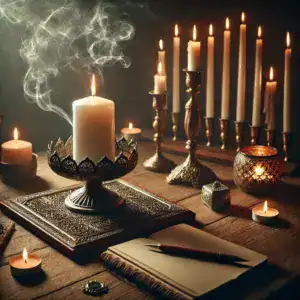
Even indoors, a table filled with candles in red, gold, and white can evoke the warmth and spirit of the Beltane flame. Surround it with crystals, flowers, or tokens of spring for added energy.
Dance with Intention: Movement as Spellwork
The dance is the heart of the ritual. It doesn’t need to be choreographed, polished, or public. Let your body move the way Beltane feels to you—wild, sensual, slow, joyous, tearful, bold.
- Dance barefoot on the earth if you can—let your feet kiss the ground as you awaken its energy.
- Begin in silence or to the beat of a drum. You can use pre-recorded music, sing chants, or just move to the rhythm of your heartbeat.
- Move with purpose—maybe you’re dancing to call in fertility, to burn away doubt, to ignite a creative project, or to celebrate your sensuality. Let your movement reflect your intention.
- Invite others to dance with you, creating a spiral, a circle, or simply sharing the same space with their own unique energy.
This is your spell, your prayer in motion. Whether you sway gently or spin ecstatically, your body becomes a vessel of magic.
Wear Symbols of the Season: Dress as Devotion
Clothing and adornment can help shift you into sacred space. What you wear becomes a ritual garment, helping you feel empowered, connected, and expressed.
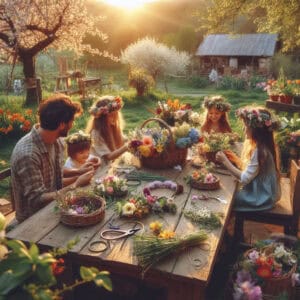
- Flower crowns connect you with the energy of the May Queen and the blossoming of spring. Use wildflowers or make your own with ribbons and herbs.
- Ribbons in red and white symbolize passion and purity, union and balance. Weave them into your hair, wear them as sashes, or tie them to your clothing.
- Flowing silks, lace, antlers, bells, beads, or face paint can transform you into a deity, a spirit of the woods, or an elemental force. Choose what makes you feel enchanted.
- Let your ritual attire be an outward expression of your inner fire—how you show up for the energy of Beltane is as sacred as any invocation.
Invoke the Spirits: Dance With the Divine
Before or during your dance, take time to call in the energies, deities, or spirits you wish to honor or embody.
- Call upon Brigid for her fire of inspiration and healing.
- Welcome The Green Man or Cernunnos, who embodies wild masculinity, fertility, and the turning of the wheel.
- Invoke The May Queen, the blossoming goddess of sensuality, sovereignty, and joy.
- Ask for blessings from the spirits of the land, the ancestors, or the elementals of fire and earth.
This can be done with simple words: “Spirits of Beltane, I welcome you. Dance with me. Bless this fire and all it touches.” You can also use offerings, chants, or music to open the veil between the worlds and invite their presence into your sacred circle.
Leap the Flames: A Rite of Passion and Purpose
Leaping over fire is an ancient Beltane tradition symbolizing courage, purification, and initiation. If safe and possible, light a small fire or candle-lined path and leap (or step) over it mindfully.
- As you leap, speak aloud what you are stepping into: “I leap into joy.” “I leap into love.” “I leap into my fullest self.”
- You can also leap to release something: fear, pain, hesitation, or anything you wish to leave behind.
- If leaping isn’t safe or comfortable, you can symbolically walk between two candles or even use visualization—imagine yourself jumping through a ring of light, emerging transformed on the other side.
Even this small gesture becomes a powerful threshold crossing, honoring Beltane as the turning point into the bright half of the year.
Your Fire Dance, Your Magic
Above all, your Beltane Fire Dance is yours to shape. Whether it’s silent or song-filled, sensual or spiritual, solitary or shared, it is an act of living devotion—a dance with the sacred, a celebration of life in full bloom.
Make it beautiful. Make it honest. Make it wild.
And when the last embers cool and the dawn kisses the earth, may you carry that fire in your heart—burning bright, blessed, and free.
The Afterglow: Integration and Rest
When the fire dance ends and the final embers fade into the quiet of the night, the energy you’ve raised doesn’t simply vanish—it begins to settle deep into the soil of your soul. This is the sacred space of integration, a moment often overlooked but vital to completing the ritual. The fire has stirred your spirit, released what no longer serves you, and awakened your intentions—now it’s time to tend to your inner flame.
Start with the basics: hydrate, nourish, and rest. Drink water slowly and intentionally, blessing each sip with gratitude for your body’s movement and strength. Sit or lie down on the earth if you can, allowing the pulse of the land to hold you. Feel your heartbeat slowing. Breathe. Let the energy settle like ash returning to soil, rich with unseen seeds waiting to bloom.
Take time to journal your experience. What sensations moved through you? What emotions surfaced? What images or visions did the flames stir in your imagination? Were there any spontaneous messages from spirit, ancestors, or your higher self? Writing it down now ensures you capture the threads before they fade, weaving them into a tapestry you can revisit as Beltane energy unfolds in the weeks ahead.
You might feel elated, tired, peaceful, or raw—all are natural responses. Trust the wisdom of your body and spirit as they recalibrate. The dance may have stirred powerful energies, and like any rite of passage, it deserves stillness in the aftermath.
In the days that follow, pay attention to dreams, synchronicities, or creative inspiration. Many report receiving unexpected insights or artistic bursts after a fire dance—poems, songs, paintings, or ideas that seem to arise from the very spark of the ritual. These are gifts from the fire, messages carried in smoke and returned in silence. Listen closely.
To keep the Beltane flame alive, consider tending a small candle or hearth fire in the days after the ritual. Each time you light it, whisper your intention or reflect on what you felt during the dance. Let it be your sacred reminder that fire, though fleeting, leaves lasting warmth.
Most importantly, be gentle with yourself. Integration is not about doing—it’s about receiving, softening, and being open to the subtle shifts now unfolding. The fire may have burned through old layers, making space for something new to emerge. Give that newness time to root.
The Beltane Fire Dance does not end when the music stops—it echoes in the heartbeat, in the breath, in the dreams. Let that echo guide you toward summer, carrying the wild, sacred joy of the fire forward into everything you create, feel, and become.
Conclusion: Becoming the Flame
The Beltane Fire Dance is more than movement—it is initiation, invocation, and celebration. It invites us to become the fire, to let ourselves be wild and sacred, fierce and free. Whether in a forest with a hundred others or alone by candlelight, when you dance for Beltane, you echo the footsteps of those who danced before—honoring love, life, and the unstoppable force of spring.
So when the flames rise this Beltane, step into the circle. Let your spirit burn bright.
Dance. Burn. Bloom.