Introduction
Revitalize Your Winter Wellness with Healing Herb Tonics
Winter can be a challenging time for our health, as the cold weather and dry air can cause a variety of ailments, from coughs and colds to dry skin and chapped lips. While there are many over-the-counter remedies available, they can be costly and may contain harsh chemicals. Luckily, there are plenty of natural home remedies that can be made using items and materials that are readily available during the winter months. In this article, we will explore some effective and easy-to-make home remedies that use ingredients and materials from wintertime, so you can stay healthy and comfortable all winter long without breaking the bank.
There are a lot of home remedies and nearly endless possibilities of methods, in this article we’ll go over tonics.

Tonic
Winter is a season that calls for extra care and support for our bodies and immune systems. One effective way to fortify ourselves during this time is by incorporating homemade tonics into our winter wellness routine. These nourishing beverages, infused with winter herbs, offer a natural and holistic approach to support our overall health, boost immunity, and provide warmth and comfort. In this article, we will explore the art of creating homemade tonics using winter herbs, along with the methods and benefits of incorporating these herbal elixirs into our daily lives.
Historical Significance of Tonics in Witchcraft, Paganism, and Wiccan Traditions
Tonics have been a vital part of witchcraft, paganism, and Wiccan traditions, revered for their ability to heal, nourish, and enhance spiritual practices. These traditions recognize the power of herbs and the ritual of tonic-making as a means to connect with nature and harness the energies of the herbs used.
Ancient Practices
In ancient pagan cultures, tonics were often used in rituals and ceremonies to promote healing and spiritual well-being. The act of creating and using tonics was seen as a way to connect with the natural world and harness the energies of the herbs used.
Witchcraft and Tonics
Witches have long used tonics as part of their magical practices. Herbal tonics are often prepared with specific intentions, such as healing, protection, or divination. Herbs like ginger, turmeric, and rosemary are commonly used for their healing properties. The ritual of making tonics is often accompanied by chants, spells, or meditations to enhance the magical properties of the herbs.
Wiccan Traditions
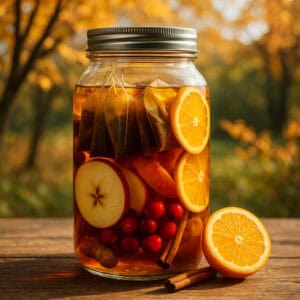
In Wiccan traditions, tonics are often used in seasonal celebrations and rituals. For example, during the winter solstice (Yule), Wiccans may create tonics with herbs like cinnamon, clove, and orange peel to symbolize warmth and renewal. These tonics are used in rituals to honor the rebirth of the sun and to promote healing and protection during the winter months.
Symbolism and Ritual Use
Tonics in witchcraft, paganism, and Wiccan traditions are more than just herbal beverages; they are tools for spiritual growth and transformation. The process of selecting, preparing, and using tonics is seen as a form of alchemy, where the combination of herbs and intention creates a powerful potion. This practice aligns with the belief that the energy and intention put into the tonic can influence its effects.
By understanding the historical and spiritual significance of tonics within these traditions, we can appreciate their role not only as a winter remedy but also as a means of connecting with ancient practices and enhancing our spiritual journey.
Benefits of Winter Herb Tonics
Winter herb tonics offer a multitude of health benefits.
Here are some key advantages:
- Immune Support: Winter herbs such as echinacea, elderberry, and astragalus are renowned for their immune-boosting properties. These tonics can help strengthen our immune system, making us more resilient to winter illnesses.
- Respiratory Health: Many winter herbs possess expectorant and antiviral properties that can support respiratory health. Tonics made with herbs like thyme, oregano, and licorice root can help alleviate coughs, congestion, and soothe respiratory discomfort.
- Nourishment and Vitality: Winter herbs are often packed with vitamins, minerals, and antioxidants that can provide vital nourishment during the colder months. Tonics infused with herbs like nettle, rosehip, and ginger can provide a natural energy boost and help combat fatigue.
- Warmth and Comfort: Winter herb tonics can warm the body from within, providing a comforting sensation during chilly days. The soothing flavors and aromas can also promote relaxation and a sense of well-being.
Popular Winter Herbs for Tonics
When creating winter herb tonics, consider incorporating some of the following herbs:
- Ginger: Known for its warming properties, ginger adds a spicy and invigorating flavor to tonics. It can help improve digestion, boost circulation, and provide relief from cold symptoms.
- Turmeric: With its vibrant yellow color, turmeric is a potent anti-inflammatory herb. It can support joint health, enhance immune function, and provide a natural glow to the skin.
- Cinnamon: Cinnamon adds a sweet and comforting taste to tonics. It has antimicrobial properties and can help regulate blood sugar levels and support digestion.
- Rosemary: This aromatic herb not only adds a delightful flavor but also provides antioxidant and anti-inflammatory benefits. Rosemary can help improve memory, boost mood, and support respiratory health.
Methods for Making Winter Herb Tonics
Creating homemade winter herb tonics is a simple and rewarding process. Here’s a general method to prepare these nourishing beverages:
- Choose Your Herbs: Select a combination of winter herbs that align with your health goals and personal taste preferences. Experiment with different herbal combinations to discover your favorites.
- Prepare the Herbs: If using dried herbs, crush or grind them slightly to release their flavors and improve extraction. For fresh herbs, rinse them and chop them into smaller pieces.
- Simmering Method: Place the herbs in a saucepan with filtered water and bring to a gentle simmer. Allow the mixture to simmer for about 15-20 minutes, allowing the herbs to infuse into the water.
- Infusion Method: Alternatively, you can create an infusion by pouring hot water over the herbs in a teapot or jar and allowing them too steep for 15-20 minutes. Strain the liquid afterward.
- Sweeteners and Enhancements: If desired, you can add natural sweeteners like honey, maple syrup, or stevia to the tonic. Enhancements such as lemon juice, orange zest, or herbal extracts like echinacea or elderberry can also be added for extra flavor and immune-boosting benefits. Adjust the sweetness and flavor according to your preference.
- Straining and Serving: Once the tonic has infused and any additions have been stirred in, strain the liquid to remove the herb particles or residue. Pour the tonic into a cup or mug and savor it while it’s warm. You can enjoy it as is or garnish it with a sprig of fresh herbs for a touch of visual appeal.
- Storage and Consumption: If you have leftover tonic, let it cool before transferring it to a glass jar or bottle with a tight lid. Store it in the refrigerator and consume it within a few days to ensure freshness and potency. Shake well before each use.
- Incorporating into Your Routine: Drink your winter herb tonic as part of your daily winter wellness routine. You can have it in the morning to start your day on a nourishing note or enjoy it in the evening for relaxation and comfort. Sip it slowly and mindfully, allowing the herbal goodness to permeate your senses.
Safety Considerations
While homemade winter herb tonics are generally safe, it’s important to consider a few safety precautions:
- Allergies and Sensitivities: Be mindful of any known allergies or sensitivities you may have to specific herbs. If you have any concerns, consult a healthcare professional or herbalist before incorporating new herbs into your diet.
- Medications and Health Conditions: If you have any underlying health conditions or are taking medications, it’s important to consult with a healthcare professional to ensure there are no potential interactions between the herbs and your medications.
- Quality of Herbs: Use high-quality organic or wildcrafted herbs for optimal flavor and therapeutic benefits. Ensure that the herbs are free from pesticides or contaminants.
- Moderation: While herbal tonics are generally safe, it’s best to consume them in moderation. Stick to recommended dosages and listen to your body’s response.
Winter herb tonics offer a wonderful way to incorporate the healing power of nature into our daily lives during the colder months. By infusing nourishing winter herbs into these beverages, we can support our immune system, enhance vitality, and experience the warmth and comfort they provide. Remember to choose herbs that align with your health goals, follow proper preparation methods, and consider any personal considerations or interactions. Embrace the therapeutic benefits of winter herb tonics and savor the natural goodness they offer throughout the winter season.
Conclusion
Winter herb tonics offer a natural and empowering approach to support our well-being during the colder months. By incorporating herbs like ginger, turmeric, cinnamon, and rosemary into our daily routine, we can boost our immune system, enhance respiratory health, and provide nourishment and warmth to our bodies. These tonics not only offer physical benefits but also bring comfort and relaxation during chilly days. Embrace the therapeutic power of winter herb tonics and enjoy the natural goodness they provide throughout the winter season.
Cheers to your winter wellness!