Introduction
A Winter Treasure in the Forest
When the world grows cold, evergreen conifer needles offer a vibrant source of nutrients, flavors, and magical uses, making them one of the most accessible winter wild edibles.
In the chilly months when much of nature lies dormant, conifer needles bring life, resilience, and health to the winter landscape. Found on evergreen trees such as pines, spruces, firs, and hemlocks, these needles are a versatile resource for the winter forager, packed with nutrients, flavor, and unique magical properties. This guide explores everything you need to know about foraging conifer needles, from identification to their many uses, making them an essential wild edible to include in your winter foraging adventures.

What Are Conifer Needles?
Conifer needles are the slender, evergreen leaves of trees within the Pinaceae family, such as pines, firs, spruces, and hemlocks. These needles vary widely in appearance, flavor, and aroma, depending on the species, but they all serve as resilient, nutrient-rich foliage that endures through the harshest winter climates. Conifer needles are typically rich in vitamins C and A, antioxidants, and essential oils that impart a refreshing, citrusy or resinous flavor.
The needles are also prized for their adaptability, offering a readily accessible source of nutrition, medicine, and magic in the forest. Whether brewed into teas, incorporated into culinary dishes, or used in ritual practices, conifer needles have been cherished for their versatility and symbolic strength.
Variants
Most conifer species offer edible needles, though each brings unique characteristics:
- Pine (Pinus spp.): Pine needles are long and slender, often growing in clusters of 2 to 5. They have a subtly sweet, slightly citrusy flavor, making them popular for teas and flavor infusions.
- Spruce (Picea spp.): Spruce needles are short, square, and sharp, often giving the tree a “spiky” appearance. Their flavor is more intense, with a bright citrusy aroma, lending itself well to culinary dishes and medicinal teas.
- Fir (Abies spp.): Fir needles are softer and more aromatic, growing individually along the branches. They offer a mild, refreshing flavor and a delicate aroma, suitable for teas, broths, and as a natural seasoning.
- Hemlock (Tsuga spp.): Hemlock needles are short and flat, often darker green and soft to the touch. They have a gentle, earthy flavor with a mild resinous scent. Despite its name, this tree is unrelated to the toxic poison hemlock and is safe to consume.
Important Note: The yew tree (Taxus spp.) is also a conifer, but its needles are highly toxic and should never be consumed. Unlike other conifers, yew needles are shorter, flat, and tend to have a dark green color with red berries. Exercise caution when foraging to avoid this species.
Pine (Pinus spp.)

Pine needles are among the most recognizable and versatile of the conifer needles, distinguished by their long, slender shape and clustered growth pattern. Typically, pine needles grow in bundles or clusters of 2 to 5 needles per fascicle, which can help in identifying specific pine species. The color of pine needles ranges from bright green to deep blue-green, and they maintain their soft texture even during the winter, which adds to their appeal as a foraged ingredient.
Flavor Profile and Uses
Pine needles are known for their subtly sweet, slightly citrusy flavor, with some varieties offering hints of resin and a refreshing, almost minty aftertaste. This unique flavor profile makes pine needles popular for teas and flavor infusions, as they can bring brightness to winter dishes and beverages. Pine needle tea, for instance, is prized for its mild, soothing taste, which pairs well with honey or lemon for added sweetness. The needles can also be finely chopped or ground to add a subtle, piney flavor to dishes, providing a unique taste reminiscent of citrus and fresh herbs.
Aromatic and Culinary Applications
Beyond tea, pine needles can be used to infuse syrups, honeys, vinegars, or oils, creating aromatic bases for cocktails, marinades, and dressings. These pine-infused ingredients work particularly well in winter cocktails or with hearty dishes like roasted meats, game, or root vegetables. Pine needles can also be used to flavor salt or sugar, adding an earthy, aromatic touch to rubs, desserts, or baked goods.
Popular Pine Species for Foraging
While most pine species offer edible needles, some are particularly favored for their flavor and nutritional properties:
- Eastern White Pine (Pinus strobus): Known for its long, soft, and fragrant needles, Eastern White Pine is a popular choice for tea and culinary infusions. The needles are relatively mild in flavor, making them suitable for beginners.
- Ponderosa Pine (Pinus ponderosa): With its robust, resinous aroma, Ponderosa Pine offers needles that have a more intense, piney flavor. Note that the needles of Ponderosa Pine should be used in moderation, as they contain small amounts of compounds that may not be suitable for pregnant women.
- Sugar Pine (Pinus lambertiana): The longest needles among the pine species, Sugar Pine needles have a mild, sweet flavor, making them excellent for teas and syrups.
Health Benefits
Pine needles are rich in vitamin C and antioxidants, making them a nourishing addition to winter diets. The needles’ high vitamin C content supports the immune system, while their antioxidants help protect against oxidative stress. Pine needle tea is traditionally used as a remedy for colds and respiratory issues, as the essential oils in the needles act as mild decongestants.
Pine needles are a fantastic foraging find for both their culinary uses and health benefits, bringing flavor, nutrition, and natural resilience to your foraged winter pantry.
Craft and Aromatherapy Uses
Pine needles are not only valuable for culinary and medicinal purposes but also popular in crafting and aromatherapy. Their fresh, invigorating scent makes them ideal for creating natural potpourri, sachets, and wreaths that bring a pleasant forest aroma to indoor spaces. Pine needles can also be used in homemade soaps, candles, or essential oils, where their scent promotes relaxation, mental clarity, and respiratory ease. Pine’s refreshing fragrance is especially popular in winter, evoking a sense of warmth and connection to nature.
Pine needles are a versatile and beneficial foraging find, offering a wide array of culinary, medicinal, and aromatic applications. Whether you’re using them in tea, syrups, or infusions, or incorporating them into crafts and home remedies, pine needles bring unique flavors, scents, and health benefits to your winter foraging routine. Their enduring green color and resilient nature symbolize vitality and strength, making them a truly remarkable addition to any pantry or wellness practice.
Spruce (Picea spp.)

Spruce trees are a vibrant and hardy conifer species, easily recognized by their short, sharp needles that grow individually along the branches, giving the tree a spiky, almost prickly appearance. The needles are typically square in cross-section, which allows you to easily roll them between your fingers—an identifying feature that distinguishes spruce from other conifers like fir. Ranging from dark green to a blue-gray shade, spruce needles are often compact and tightly arranged along the branches, contributing to their dense, bushy look.
Flavor Profile and Culinary Uses
Spruce needles offer a more intense and complex flavor profile than other conifer needles, combining notes of bright citrus with subtle resinous undertones. Their strong, fresh aroma and mildly acidic taste lend themselves beautifully to a variety of culinary applications. Spruce needles are particularly popular in winter and holiday cooking, as their citrusy flavor can brighten up hearty dishes and rich, savory ingredients.
- Spruce Needle Tea: Spruce needles make a delicious and potent tea, known for its tangy, lemony flavor. Brewing spruce needle tea brings out the needles’ bright citrus notes, making for a refreshing and warming drink during cold months. Adding honey or a touch of ginger can enhance the tea’s flavor and create a soothing, health-boosting beverage.
- Flavor Infusions: Spruce needles can be used to infuse vinegars, syrups, and oils, imparting their intense, citrusy aroma to sauces, marinades, and dressings. Spruce-infused vinegar, for example, makes an excellent addition to salad dressings or a tangy component in braised dishes. Spruce syrup can add depth to cocktails, drizzle over desserts, or serve as a unique glaze for meats.
- Seasoning and Garnish: Finely chopped spruce needles can be used sparingly as a seasoning for game meats, fish, and roasted vegetables. The needles’ bright, citrusy flavor pairs especially well with fatty dishes, cutting through richness and adding a refreshing contrast. Spruce needles can also be used as a garnish for winter cocktails, adding an aromatic touch to beverages like gin or whiskey-based drinks.
Popular Spruce Species for Foraging
While most spruce trees produce edible needles, some species are especially valued for their aromatic qualities and ease of identification:
- Norway Spruce (Picea abies): This common species has a deep green color and short, slightly curved needles. The needles of Norway Spruce are highly aromatic and well-suited for teas and infusions, offering a sharp, lemony flavor.
- Sitka Spruce (Picea sitchensis): Found primarily along the Pacific Coast, Sitka Spruce has a robust citrusy aroma with a hint of bitterness, making it ideal for infusions and flavoring salt. Its sharp, intense flavor pairs well with seafood and is a favorite among chefs.
- Blue Spruce (Picea pungens): Known for its striking blue-gray needles, Blue Spruce provides a softer, citrus-forward flavor that’s perfect for culinary applications. Its needles are a bit less sharp, making them easier to work with in teas and syrups.
Medicinal Benefits
Spruce needles are rich in vitamin C, making them an excellent immune-boosting ingredient during winter. Traditionally, spruce needle tea has been used to alleviate symptoms of colds, coughs, and congestion. The essential oils in spruce needles have mild expectorant properties, helping to soothe respiratory issues and open up airways. Additionally, the antioxidant properties of spruce needles help combat inflammation and support skin health.
Craft and Decorative Uses
Beyond culinary and medicinal applications, spruce needles are also popular for crafts and decorations, particularly during the holiday season. Spruce branches can be woven into wreaths or used as garlands, bringing their fresh, citrusy aroma indoors. Foraging spruce needles for both culinary and decorative uses makes them an especially versatile find in the wild.
Spruce needles are an aromatic and flavorful addition to winter foraging, lending themselves well to teas, infusions, and savory dishes. Their sharp, citrus-forward flavor brings a refreshing element to cold-weather cooking, while their rich vitamin C content and medicinal properties make them a valuable natural remedy during the colder months.
Fir (Abies spp.)
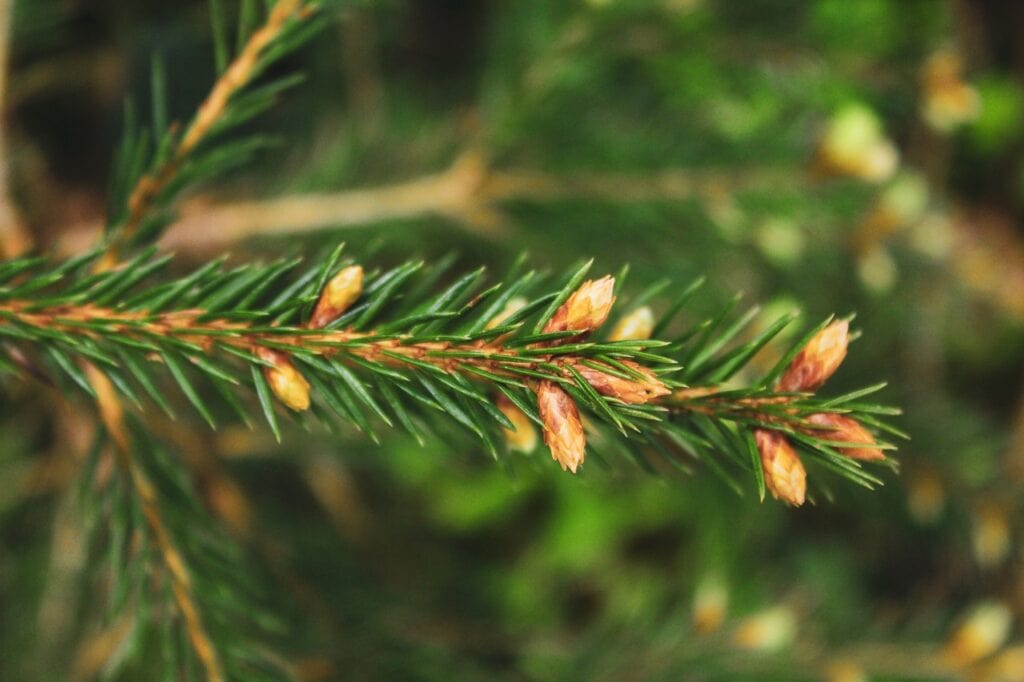
Fir trees are known for their soft, fragrant needles and graceful appearance, making them a favorite in both forests and ornamental landscaping. Fir needles are typically flat, rounded at the tips, and grow individually along the branches in a spiral pattern, creating a lush, full look. Unlike the sharp needles of spruce or the long clusters of pine, fir needles are soft and flexible to the touch, which, along with their delicate aroma, makes them especially pleasant to handle and forage. Fir trees are also distinguished by their smooth, often silvery bark and upright cones that stand on the branches like small candles.
Flavor Profile and Culinary Uses
Fir needles have a mild, refreshing flavor that is often described as sweet and subtly citrusy, with delicate, woodsy undertones. Their soft texture and nuanced flavor make them ideal for teas, broths, and culinary infusions where a gentler coniferous note is desired. The needles of fir trees are versatile, enhancing both savory and sweet dishes with their delicate aroma and brightening flavor.
- Fir Needle Tea: Fir needles are commonly used to make tea, which has a smooth, refreshing taste with a hint of sweetness. Fir needle tea is a gentler option compared to the intense flavor of spruce or pine, making it a great introduction to conifer teas. Brewed alone, fir needle tea is calming and fragrant, perfect for sipping on cold winter days. Adding honey or lemon can complement the fir’s natural flavors and create a soothing, aromatic beverage.
- Broths and Soups: Fir needles can be added to broths and soups, where their mild flavor imparts a subtle, forest-fresh aroma to the dish. The needles can be tied in a bundle and steeped in the broth during cooking, then removed before serving. Fir-infused broths are particularly well-suited for chicken or vegetable-based soups, adding a touch of depth and earthiness to warm, hearty dishes.
- Infusions and Syrups: Fir needles make wonderful infusions for syrups, vinegars, or honey. Fir syrup, for example, adds a unique, slightly citrusy sweetness that pairs well with desserts, cocktails, or even savory glazes for meats. Fir-infused vinegar is excellent for marinades or as a bright, herbal addition to dressings. These infusions capture the fir’s gentle aroma and work beautifully in seasonal cooking and holiday recipes.
- Natural Seasoning: Finely chopped fir needles can be used sparingly as a seasoning, adding a light, citrusy note to fish, poultry, and roasted vegetables. The mild flavor of fir needles complements delicate proteins and brightens up root vegetables, making them a versatile addition to winter cooking.
Popular Fir Species for Foraging
Fir needles are edible across most species, but certain firs are particularly favored for their aromatic qualities and flavor:
- Balsam Fir (Abies balsamea): Known for its strong, balsam fragrance, Balsam Fir is one of the most aromatic of the fir species. Its needles have a sweet, refreshing flavor and are often used for teas, as well as aromatherapy due to their potent scent.
- Douglas Fir (Pseudotsuga menziesii): Although technically not a true fir, Douglas Fir has similar needle characteristics and a lovely, citrus-forward flavor. The needles are soft and bright green, and their flavor is often described as having hints of grapefruit, making Douglas Fir needles a favorite for teas and syrups.
- White Fir (Abies concolor): White Fir has soft, blue-green needles with a mild, pleasant aroma. Its delicate flavor works well in culinary infusions and is less resinous than other firs, making it a gentle addition to teas and broths.
Medicinal Benefits
Fir needles contain vitamin C, antioxidants, and essential oils, which can offer various health benefits. The high vitamin C content in fir needles supports immune health, making fir needle tea an excellent winter remedy to boost immunity and ward off colds. The essential oils in fir needles have mild expectorant and anti-inflammatory properties, making fir needle tea or steam inhalation helpful for respiratory issues such as congestion and sore throats. In addition, the soothing aroma of fir needles has a calming effect, promoting relaxation and reducing stress.
Aromatherapy and Craft Uses
Fir needles are commonly used in aromatherapy for their calming and uplifting properties. Their refreshing scent can be incorporated into sachets, incense, or essential oils, filling spaces with a forest-fresh aroma that helps reduce stress and anxiety. Fir needles are also popular in holiday wreaths and garlands, providing a natural, festive scent that brings warmth and cheer to indoor spaces.
Fir’s soft, aromatic needles offer both culinary and therapeutic uses, bringing a refreshing quality to teas, broths, and seasonal infusions. The gentle, uplifting aroma of fir needles provides a sensory link to the winter forest, enhancing well-being and connecting us to nature’s enduring resilience. Fir needles are a perfect foraging find for those seeking a subtler, sweeter conifer flavor and a calming presence in both culinary and medicinal applications.
Hemlock (Tsuga spp.)

Hemlock trees, often mistaken for their poisonous namesake due to the shared name, are actually a safe and valuable foraging option among conifers. Hemlock needles are small, flat, and soft to the touch, offering a mild and earthy flavor with a subtle resinous aroma. These needles grow in a two-row formation along the branches, creating a delicate and lush appearance. Hemlocks are frequently found in shaded, moist forested areas and are easily recognizable by their short, feathery needles and small, pendant-like cones.
Flavor Profile and Culinary Uses
Hemlock needles have a gentle, earthy taste with a mild hint of resin, making them ideal for those who prefer a more subdued conifer flavor. Unlike the more intense citrus notes found in spruce or the sweetness of fir, hemlock offers a balanced, mellow taste that is well-suited for culinary applications where a less pronounced flavor is desired.
- Hemlock Needle Tea: Hemlock needle tea is light and refreshing, with a delicate earthiness that pairs well with a hint of honey or lemon. This tea is particularly soothing on chilly days, providing a gentle warmth without the stronger flavors of other coniferous teas. It’s also naturally high in vitamin C, making it a nourishing option during cold and flu season.
- Broths and Soups: Hemlock needles can be used in broths and soups, where their earthy, slightly resinous flavor adds depth to the base without overpowering it. Tie the needles in a small bundle and steep them in the broth while cooking, then remove them before serving. Hemlock-infused broths pair wonderfully with root vegetables, mushrooms, and poultry, adding a subtle woodland note to hearty, comforting dishes.
- Infusions and Syrups: Hemlock needles make excellent infusions in vinegars, syrups, or even honey, adding a soft, earthy aroma and a hint of resinous depth to these ingredients. Hemlock-infused vinegar is versatile in salad dressings, especially when paired with herbs or a hint of sweetness. Hemlock syrup, on the other hand, can be used in cocktails, drizzled over desserts, or as a glaze for roasted meats, lending a gentle, forested flavor.
Popular Hemlock Species for Foraging
While all true hemlock species (Tsuga spp.) are edible, certain species are more common and sought after for their soft needles and mild flavor:
- Western Hemlock (Tsuga heterophylla): Native to the Pacific Northwest, Western Hemlock has shorter, dark green needles and a soft, feathery appearance. It’s highly aromatic, and the needles provide a gentle, earthy taste that is perfect for teas and culinary infusions.
- Eastern Hemlock (Tsuga canadensis): Found in eastern North America, Eastern Hemlock has slightly longer needles with a bluish-green color. Its mild flavor and resinous scent are ideal for both broths and teas, and it has a high vitamin C content, making it a popular choice for winter foraging.
Medicinal Benefits
Hemlock needles contain beneficial compounds like vitamin C, antioxidants, and mild essential oils, making them a valuable resource for traditional and natural remedies.
- Immune Support: Hemlock needles are rich in vitamin C, helping to support the immune system during the winter months. Drinking hemlock needle tea can help ward off colds and strengthen the body’s defenses.
- Respiratory Health: The essential oils in hemlock needles have mild expectorant properties, which can be helpful in soothing respiratory issues. Drinking hemlock tea or inhaling steam infused with hemlock needles may relieve mild congestion and promote easier breathing.
- Calming Properties: Hemlock is known for its subtle, calming aroma. When used in teas or as an aromatherapy infusion, hemlock needles help reduce stress and create a sense of calm, making it an ideal herb for relaxation and grounding practices.
Safety Considerations
Despite the safe nature of true hemlock (Tsuga spp.), it’s important to distinguish it from poison hemlock (Conium maculatum), a highly toxic plant with similar names but entirely different characteristics. Poison hemlock is not a tree; it is a flowering plant with tall, hollow stems and clusters of white flowers, commonly found in fields and roadsides. Ensuring proper identification is crucial when foraging for true hemlock.
Craft and Aromatherapy Uses
Hemlock needles are frequently used in wreaths, garlands, and sachets due to their soft texture and gentle aroma. In aromatherapy, the subtle, grounding scent of hemlock needles is known to promote relaxation, making it popular in sachets, incense, or potpourri. Adding dried hemlock needles to baths or creating a simple hemlock-infused oil can provide a soothing experience, helping to ease stress and bring a sense of balance.
Hemlock needles are a versatile and gentle option among foraged conifers, ideal for those seeking a softer, earthy flavor and calming energy. Whether in teas, culinary infusions, or therapeutic applications, hemlock offers a wonderful way to connect with the quiet strength and beauty of the winter forest.
How to Identify Conifer Needles and Their Variants
Identifying conifer needles is key to safe and effective foraging. Here are some tips to recognize each type:
- Pine Needles: Typically grow in clusters of 2–5, with long, thin, slightly twisted needles. Pines have a scaly or flaky bark that ranges in color from reddish to gray.
- Spruce Needles: Short, square-shaped, and sharp to the touch, they grow individually from the branches and have a bright green color. The bark of spruce trees is rough and scaly.
- Fir Needles: Soft, flat, and growing individually along the branch, fir needles are slightly curved with a distinct “balsam” fragrance. The bark is smooth, often with small resin blisters.
- Hemlock Needles: Small, flat, and growing in two rows along each side of the branch, hemlock needles are dark green with a silvery underside. The bark is grayish-brown and deeply ridged.
To Avoid Toxic Yew: Yew needles are darker green and grow in a flat formation along the branches. Yew also produces distinctive red berries, which are highly toxic. Avoid any conifer with red berries and flat, dark needles to ensure safety.
Habits of Conifer Trees
Conifer trees are among the most adaptable and resilient plants, displaying remarkable survival traits that allow them to flourish across diverse ecosystems and climates. Characterized by their hardy nature, conifers grow from cold boreal forests to arid mountain regions and even temperate urban settings, proving themselves to be remarkably versatile. Their ability to thrive in different conditions makes them an essential part of ecosystems worldwide, and their unique features make them valuable foragers’ resources, especially in winter.
Year-Round Resilience and Photosynthesis
One of the most notable characteristics of conifers is their evergreen nature. Unlike deciduous trees that shed their leaves in autumn, conifers retain their needles year-round. This allows them to continue photosynthesizing during the winter months when other trees lie dormant, storing energy that supports their growth and survival. The needles of conifers are adapted to withstand harsh winter conditions, with a waxy coating and minimal surface area that help reduce water loss and resist freezing temperatures. This trait is not only key to their survival but also makes them an enduring symbol of vitality and resilience, especially during the colder months.
Adaptation to Diverse Soil and Climate Conditions
Conifers are highly adaptable to a wide range of soils and climates. They are often found in well-drained soils, as their roots are particularly vulnerable to rot in overly moist conditions. Conifers thrive in sandy, rocky, or even slightly acidic soils, allowing them to establish themselves in challenging terrains like mountainsides, dry forests, and boreal regions. Some conifer species, such as spruce and fir, are particularly cold-tolerant and can survive in subarctic climates, while others, like certain pine species, are well-suited to hot, arid environments.
In urban landscapes, conifers are frequently planted as ornamental trees because of their hardiness, attractive appearance, and year-round greenery. Their ability to tolerate pollution and low soil fertility makes them suitable for city life, where they provide aesthetic beauty, shade, and even serve as windbreaks or privacy barriers.
Growth Patterns and Longevity
Conifers generally grow slower than many deciduous trees, but they often have impressive lifespans, with some species living for hundreds or even thousands of years. Their slow, steady growth and thick, resinous bark help them withstand environmental stressors like fire, pests, and disease. This resilience is particularly evident in certain species such as the bristlecone pine (Pinus longaeva), which can live for thousands of years, and the giant sequoia (Sequoiadendron giganteum), known for its massive size and remarkable age.
Self-Sufficiency and Reproductive Adaptations
Conifers have evolved several reproductive adaptations that enhance their survival. Most conifers reproduce through cones, which contain seeds protected by woody scales. Male and female cones are often found on the same tree, allowing them to pollinate themselves in favorable conditions. Some conifers, like lodgepole pine, have serotinous cones that only open in response to the heat of a forest fire, a clever adaptation that allows them to regenerate quickly after fire clears competing vegetation.
Ecological Role and Winter Foraging Benefits
Conifers play a vital role in their ecosystems, providing shelter and food for wildlife, stabilizing soil, and influencing water cycles. Their dense foliage offers shelter for animals during the winter, and their seeds and needles are a critical food source for various bird and mammal species.
For foragers, conifers are a valuable resource in the winter when many other plants are dormant. Their needles are rich in nutrients, particularly vitamin C, and can be harvested throughout the colder months to make teas, syrups, and culinary infusions. The accessibility of conifer needles during winter provides a steady source of nutrition and flavor, and their resilience serves as a reminder of nature’s enduring vitality even in the harshest conditions.
In summary, conifer trees embody resilience and adaptability, thriving in diverse environments and remaining evergreen throughout the year. Their ability to endure various climates and soil types, along with their role as a crucial food and shelter source in winter, make them an essential part of natural ecosystems and a valuable resource for foragers.
How to Properly Forage Conifer Needles
Foraging conifer needles is an accessible and sustainable way to gather a nutritious, versatile resource from the wild. However, foragers should always approach the process with care, respect for the tree, and an eye for safety to ensure that their harvest is beneficial for both them and the environment. Here’s a detailed guide on how to properly forage conifer needles, including tips on identification, harvesting techniques, ideal timing, and storage methods.
1. Identify Safely
The first and most crucial step in foraging conifer needles is proper identification. Conifer needles come in a range of shapes, textures, and arrangements, each unique to specific species like pine, spruce, fir, and hemlock. Carefully examine the needle characteristics:
- Needle Arrangement and Shape: Pay attention to the way needles are arranged on the branches. For example, pine needles grow in clusters of 2-5 needles, while spruce and fir needles grow individually. Hemlock needles are arranged in a flat, two-row pattern along the branches.
- Needle Texture and Smell: Gently crush a needle between your fingers to release its aroma. Pine often has a subtle citrus scent, while spruce is sharper and more resinous, and fir tends to be sweet and balsamic. Scent can be a helpful guide in distinguishing one conifer from another.
- Check for Berries: One essential rule when foraging conifers is to avoid yew trees (Taxus spp.), as their needles and berries are highly toxic. Yew needles are short, dark green, and arranged in a flat formation, often accompanied by distinctive red berries. If you come across a conifer with these characteristics, avoid harvesting it entirely.
2. Harvesting Needles
Once you have identified the correct conifer species, it’s time to begin harvesting. Here are some best practices to ensure sustainable and respectful forage:
- Use the Right Tools: Carry a pair of clean scissors or a small knife. These tools will allow you to trim the needles precisely and prevent damage to the tree.
- Trim Small Branches or Clusters: When harvesting needles, select small branches or clusters rather than stripping large sections of the tree. This helps preserve the tree’s health and appearance. Trim a few clusters from different parts of the tree to minimize any visible impact on a single area.
- Be Mindful of New Growth: Conifer trees produce new growth in the spring, which is softer, brighter, and more nutrient-rich. While these new tips are excellent for culinary use, avoid removing too many of them, as they are essential for the tree’s development. Opt to take more mature needles when possible, leaving the new growth to thrive.
- Respectfully Harvest in Moderation: Take only what you need. Overharvesting can harm the tree, so practice restraint and harvest modestly. If you’re foraging in a public area, be considerate of other foragers and wildlife that may also rely on these resources.
3. Best Timing
While conifer needles can be foraged year-round, timing can influence the quality, freshness, and nutritional content of the needles:
- Late Winter to Early Spring: This is often the best time to forage for conifer needles, as they tend to be especially nutrient-dense and aromatic during these colder months. In late winter, the needles retain a high level of vitamin C, which is valuable for health and immunity.
- Spring Growth Tips: During spring, many conifers produce fresh, tender growth tips that are vibrant in color and have a milder flavor. These young tips are particularly popular for culinary uses, as they’re less resinous and easier to chew. However, take care to harvest sparingly to allow the tree to continue thriving.
- Year-Round Availability: Conifer needles are evergreen, so they can be harvested throughout the year. In summer and autumn, the needles will be slightly tougher but can still be used in teas, infusions, and crafts. Foragers who seek a stronger flavor and aromatic intensity may prefer the mature needles available year-round.
4. Storage
Proper storage of conifer needles will help preserve their flavor, aroma, and nutritional properties:
- Short-Term Fresh Storage: Freshly harvested conifer needles can be stored in the refrigerator for up to a week. To keep them fresh, place the needles in a plastic bag or airtight container with a slightly damp paper towel. This will help maintain their moisture level and prevent drying out.
- Drying for Long-Term Storage: If you’re looking to store conifer needles for a longer period, drying is an excellent option. Spread the needles in a single layer on a clean, dry surface in a well-ventilated area, away from direct sunlight. Allow them to air-dry for several days until they are completely dry and brittle to the touch. Once dried, store the needles in an airtight container in a cool, dark place to preserve their aroma and potency. Properly dried conifer needles can last for up to a year.
- Freezing: For maximum freshness, conifer needles can also be frozen. Place the needles in a freezer-safe bag or container, ensuring that as little air as possible is trapped inside. This method will preserve the needles’ flavor and nutritional properties for several months. Frozen needles are perfect for teas, syrups, or other culinary uses, as they retain much of their original essence when thawed.
By following these foraging techniques, you’ll be able to gather conifer needles responsibly, ensuring you enjoy their benefits while preserving the health of the trees.
Magical Uses of Conifer Needles
Conifer needles are prized for their protective and grounding energies, embodying the resilience and strength of the evergreen tree. They are often used in spells, charms, and rituals focused on endurance, purification, and spiritual strength.
- Protection and Purification: Burn conifer needles as incense to cleanse a space of negative energy. The aromatic smoke is believed to ward off harmful spirits and bring positive vibrations.
- Grounding and Resilience: Use conifer needles in ritual baths or sachets to promote stability, resilience, and grounding energy. They are especially powerful in spells aimed at overcoming obstacles or enduring hardship.
- Nature Connections: Place conifer needles on your altar or in sacred spaces to connect with natural spirits and bring the vitality of evergreen energy into your spiritual practice.
Medicinal Uses of Conifer Needles
Conifer needles offer a range of medicinal benefits, making them a valuable resource for natural health:
- Rich in Vitamin C: Conifer needles, particularly pine and spruce, are high in vitamin C, which supports the immune system and helps combat winter colds and flu.
- Respiratory Health: The essential oils in conifer needles act as decongestants and expectorants, making needle tea useful for respiratory issues, such as colds, congestion, and coughs.
- Antioxidants: The needles contain antioxidants that help reduce inflammation and protect cells from oxidative stress. These antioxidants also support skin health and can be beneficial in natural skincare preparations.
Caution: Pregnant women should consult a healthcare provider before consuming conifer needle tea, as the oils may be too potent.
Culinary Uses of Conifer Needles
Conifer needles bring a unique, citrusy, and resinous flavor to culinary applications:
- Needle Tea: Brew fresh or dried needles in hot water for a refreshing, vitamin C-rich tea. Add honey or lemon to balance the flavor, and enjoy warm or cold.
- Flavoring: Use ground or finely chopped needles as a seasoning for fish, game meats, and roasted vegetables. The flavor is particularly pleasant with hearty winter dishes.
- Syrups and Infusions: Infuse needles in honey, vinegar, or syrups for use in cocktails, dressings, or drizzles. These conifer-infused ingredients add a fragrant, earthy note to culinary creations.
Safety Concerns
While most conifer needles are safe for consumption, there are a few safety concerns to be mindful of:
- Avoid Yew (Taxus spp.): Yew needles are toxic and should never be ingested. Always confirm the conifer species before harvesting.
- Pregnancy Precautions: Pregnant women should consult a healthcare provider before consuming conifer needle tea, as the essential oils can be very potent.
- Sensitive Stomachs: Some people may experience mild digestive upset when consuming conifer needle tea. Start with small amounts to ensure compatibility.
To Avoid Toxic Yew
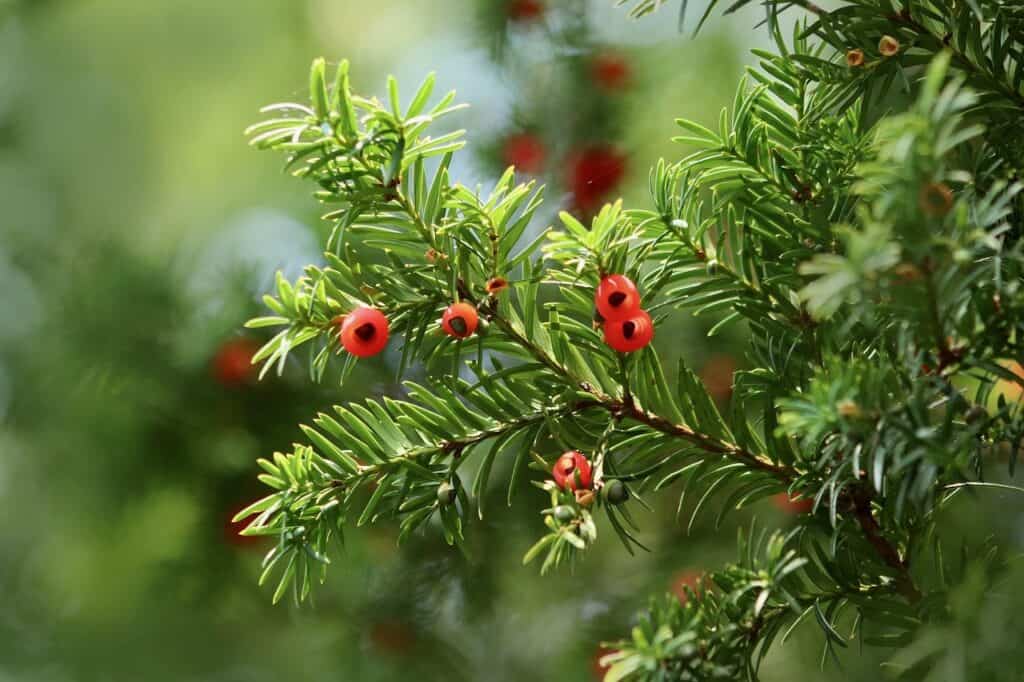
Yew trees (Taxus spp.) are unique among conifers in that every part of the plant—needles, seeds, and bark—contains highly toxic compounds. These toxins can have severe effects if ingested, particularly the alkaloid taxine, which affects the heart and nervous system. For foragers, the presence of yew is an important caution, as mistaking yew needles for edible conifer needles could lead to serious health risks.
Identifying Yew Trees
To ensure safe foraging, be vigilant in identifying yew trees by their distinctive features:
- Needle Appearance: Yew needles are typically short, flat, and darker green compared to other conifers. Unlike pine or spruce, which have long or pointed needles, yew needles grow in a flat, two-row formation along the branches. They are soft to the touch, not spiky, and usually have a slight sheen. This unique arrangement is key to distinguishing yew from other edible conifers.
- Needle Arrangement: Yew needles are arranged oppositely along each side of the branch, forming a flattened look. This is in contrast to pines, which grow in clusters, or spruces and firs, where needles tend to grow individually and often around the entire branch.
- Distinctive Red Berries: One of the most recognizable features of yew trees is their bright red, fleshy berries, called arils. These small, cup-shaped berries contain a single seed, which is extremely toxic. While the arils themselves are not toxic, the seed within each berry is highly poisonous if ingested. No other common edible conifers produce such berries, making this a clear red flag for foragers.
Avoiding Yew in the Field
When foraging for conifer needles, it’s best to avoid any conifer that has red berries or dark, flat needles growing in a two-row formation. This visual cue can help you steer clear of yew trees and avoid potential health hazards. If you’re unsure whether a conifer is yew, it’s safer to leave it unharvested and search for a more readily identifiable species, such as pine, spruce, or fir.
The Risks of Yew Toxicity
Ingesting yew needles, berries, or seeds can cause serious symptoms, including nausea, vomiting, abdominal pain, respiratory issues, and even fatal heart complications. Children and pets are particularly vulnerable to yew toxicity, as the berries can appear attractive to them. Even handling yew can cause irritation for sensitive individuals, so approach this plant with caution.
Understanding how to recognize and avoid yew trees is crucial for any forager. By being mindful of yew’s distinguishing dark green, flat needles and red berries, you can safely navigate the forest and enjoy the benefits of other edible conifers without risk.
Wrapping Up
Conifer needles are a resilient gift from nature, offering nutrition, flavor, and spiritual power even in the depths of winter. As one of the most accessible and abundant foraged foods, conifer needles invite foragers to explore their culinary, medicinal, and magical properties. By responsibly foraging and incorporating these evergreen needles into your practices, you connect with the endurance and vitality of nature, bringing warmth and wellness to the winter season. Whether crafting teas, syrups, or ritual items, conifer needles provide a versatile way to experience the rich bounty of the natural world all year round. Happy foraging!