Introduction
Celebrating the Arrival of Spring
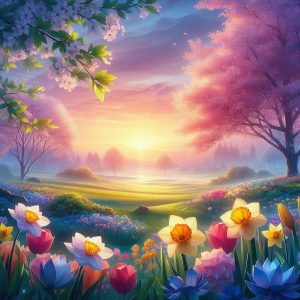
Walpurgis Night, affectionately known as Walpurgisnacht, stands as a timeless testament to the resilience of tradition and the vibrant spirit of spring that permeates the cultural fabric of Europe, particularly among the storied Germanic communities. Held annually on the eve of May Day, this captivating festival serves as a cherished bridge between the lingering chill of winter and the promise of rejuvenation embodied by the burgeoning beauty of spring. As we embark on a journey through the annals of time and tradition, we are beckoned to unravel the intricate tapestry of customs, rituals, and folklore that have woven themselves into the very essence of Walpurgis Night. From its ancient roots to its modern-day manifestations, join us in exploring the profound significance and enduring allure of this enchanting celebration across the continent and beyond.

Historical Origins
The historical origins of Walpurgis Night are as rich and layered as the tapestry of time itself, harkening back to ancient pagan customs and rituals deeply intertwined with the rhythms of nature. While the festival bears the name of Saint Walpurga, an eighth-century English missionary canonized on May 1st, its roots delve far deeper into the mists of antiquity.
In the annals of pre-Christian history, this sacred night was revered as a profound fertility rite, a time when communities gathered to honor the earth’s awakening from its wintry slumber and herald the burgeoning of new life in the bosom of nature. It was a time of jubilant rejoicing, as the earth burst forth in a riot of color and vitality, mirroring the fertile energies of the season and the eternal cycle of birth, growth, and renewal.
Saint Walpurga’s association with the arrival of spring in Christianized regions of Europe served to meld existing pagan traditions with Christian beliefs, resulting in the vibrant celebration we know today. Yet, the essence of Walpurgis Night transcends mere Christian influence, echoing the primal rhythms of the natural world that have stirred human hearts since time immemorial.
Over the centuries, Walpurgis Night has evolved into a multifaceted celebration, blending elements of pagan fertility rites, Christian rituals, and folk traditions. Despite the passage of time and the shifting sands of cultural change, the spirit of Walpurgis Night endures as a testament to humanity’s enduring connection to the earth and the cyclical rhythms of life.
At its core, Walpurgis Night embodies the timeless longing for connection with the land and the cycles of life and death that shape our existence. It speaks to our innate yearning to commune with the forces of nature, to honor the earth’s fecundity, and to celebrate the eternal renewal of life.
As the bonfires blaze and the revelers dance beneath the stars, the spirit of Walpurgis Night lives on, reminding us of our deep-seated connection to the earth and the enduring legacy of ancient wisdom passed down through the ages.Top of Form
Pagan History
In the annals of pre-Christian history, Walpurgis Night held profound significance as a pagan fertility rite, steeped in the ancient reverence for the cycles of nature. As winter’s icy grip loosened, communities across Europe gathered to honor the earth’s awakening from its slumber and celebrate the arrival of spring’s bounty. This sacred occasion was a time of jubilant rejoicing, as the land burst forth in a kaleidoscope of colors, echoing the fertile energies of the season and the timeless cycle of birth, growth, and renewal.
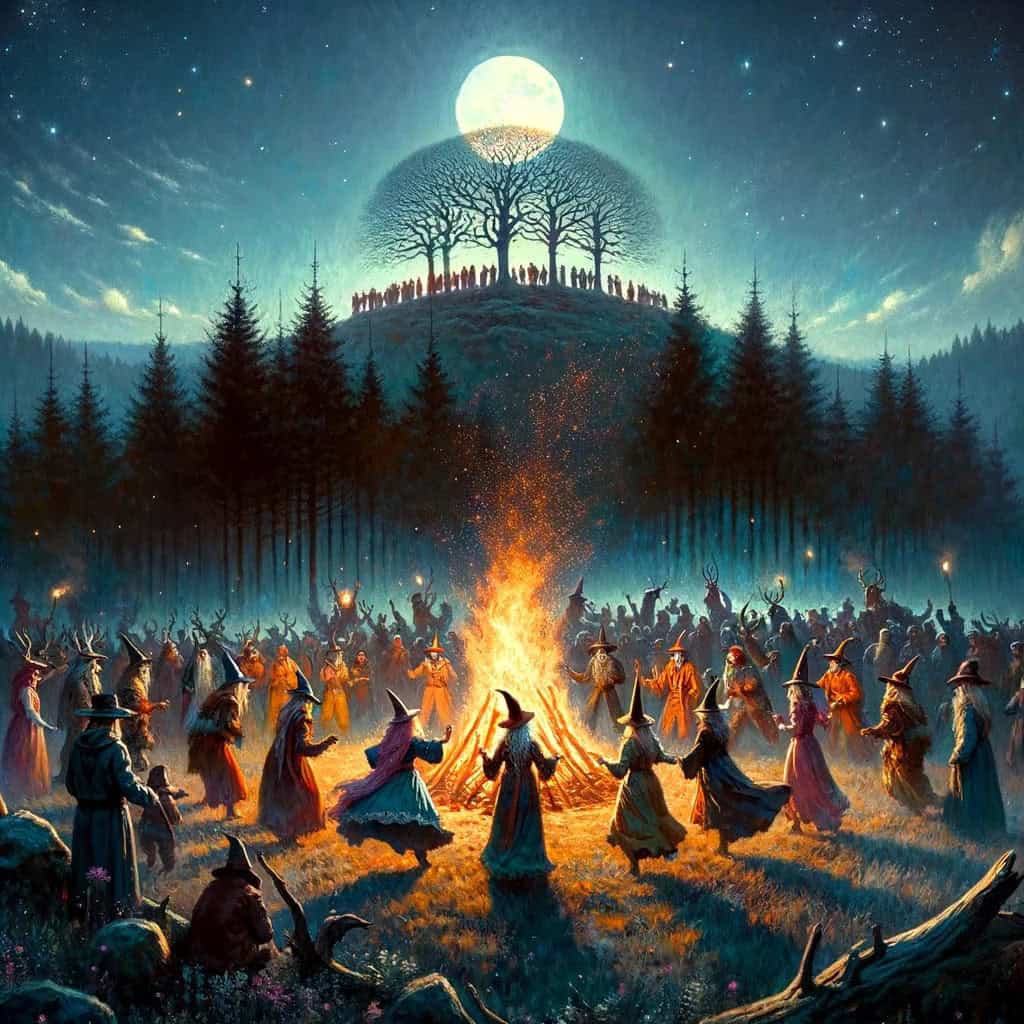
During this auspicious night, bonfires blazed brightly, casting their warm glow upon the revelers who danced and frolicked amidst the flames. The air was alive with the sounds of laughter and music, as the community came together to pay homage to the earth’s fecundity and the promise of abundant harvests to come. It was believed that the smoke from the fires possessed purifying and protective properties, warding off malevolent spirits and ensuring a prosperous growing season ahead.
In addition to the bonfires, various rituals and customs were observed to invoke the blessings of the gods and goddesses of fertility. Maypoles, adorned with ribbons and flowers, were erected as symbols of the sacred union between the masculine and feminine forces of nature. Dance and song filled the air as participants joyously circled the maypole, weaving intricate patterns that mirrored the interconnectedness of all living things.
Offerings of food and drink were made to the spirits of the land, expressing gratitude for the abundance of the earth, and seeking their favor for a fruitful year ahead. It was believed that by honoring the spirits in this way, the community ensured the continued prosperity of their crops and livestock.
As the night wore on, the revelry reached its zenith, with feasting, merrymaking, and love rites carried out under the watchful gaze of the stars. For the ancient pagans, Walpurgis Night was a sacred time of communion with the natural world, a celebration of life’s vitality and the eternal cycle of renewal that sustains us all. Though the Christianization of Europe would later overlay the festival with new meanings and traditions, the pagan roots of Walpurgis Night continue to echo through the ages, reminding us of our deep connection to the earth and the enduring power of spring’s awakening.
When and where is Walpurgis Night Celebrated?
Walpurgis Night is primarily celebrated in German-speaking countries such as Germany, Austria, and Switzerland, as well as in Scandinavia, particularly in Sweden, Finland, and Norway. The festival takes place on the night of April 30th, which is also known as May Eve or May Day Eve.
In these countries, Walpurgis Night is a widely recognized public holiday, with festivities and celebrations taking place in towns and villages across the region. The largest and most elaborate celebrations are often held in rural areas, where communities come together to light bonfires, dance, and revel late into the night.
In Germany, Walpurgis Night is especially popular in regions such as the Harz Mountains, where ancient pagan traditions have been preserved and passed down through generations. Here, locals and visitors alike gather atop hills and mountains to light towering bonfires, a symbol of driving away the last remnants of winter and welcoming the warmth and light of spring.
Similarly, in Sweden and other Scandinavian countries, Walpurgis Night is celebrated with gusto, often marked by singing traditional songs, dancing around maypoles adorned with flowers and ribbons, and indulging in feasts of seasonal delicacies.
Regardless of the specific region, Walpurgis Night is a time of joyous celebration and communal bonding, as people come together to embrace the arrival of spring and revel in the beauty of nature’s awakening.
Traditions and Customs
One of the central traditions of Walpurgis Night is the lighting of bonfires, which symbolize the banishment of winter and the welcoming of the warmer months ahead. In many communities, large bonfires are lit in public squares or on hilltops, around which people gather to sing, dance, and socialize. These bonfires have deep roots in ancient pagan rituals, where fire was believed to possess purifying and protective qualities, driving away malevolent spirits, and ensuring the fertility of the land.
Another common tradition associated with Walpurgis Night is the practice of dressing up in costumes and masks. This tradition harkens back to ancient pagan beliefs about warding off evil spirits and ensuring a bountiful harvest in the coming months. Today, people of all ages don costumes and masks, often resembling witches, demons, or other mythical creatures, and take to the streets to participate in parades and processions. This act of masquerading serves not only as a form of entertainment but also as a means of connecting with ancestral traditions and embracing the magical essence of the night.
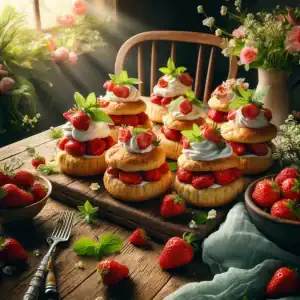
In addition to bonfires and costume parties, other customs associated with Walpurgis Night include the singing of traditional folk songs, the consumption of special foods and beverages, and the decorating of homes and public spaces with flowers and greenery. Songs and music play a significant role in the festivities, with lively tunes filling the air as people gather to dance and celebrate. Special foods such as roasted meats, hearty soups, and sweet pastries are enjoyed, often accompanied by local beers or traditional mead, adding to the convivial atmosphere of the occasion.
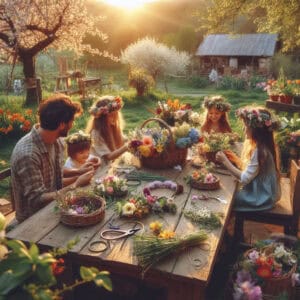
Moreover, homes and public spaces are adorned with flowers, green branches, and Maypoles, symbolizing the vibrancy and fertility of the season. Doorways are often decorated with wreaths of spring flowers, while windowsills are adorned with potted plants and floral arrangements. These decorations not only serve as visual reminders of the season’s bounty but also contribute to the festive ambiance of Walpurgis Night, infusing the surroundings with color, fragrance, and life.
Modern Celebrations
While Walpurgis Night has ancient pagan origins, it has evolved over time to incorporate elements of Christian and secular traditions. Today, the festival is celebrated in a variety of ways, with each region and community putting its own unique spin on the festivities.
In some areas, modern celebrations may include live music performances, street fairs, craft markets, and other cultural events. Families may gather for picnics in parks or gardens, enjoying the blossoming flowers and vibrant greenery while indulging in delicious seasonal foods and treats. The atmosphere is often filled with laughter and joy as children play games and adults catch up with friends and neighbors.
Younger revelers may seek out parties or concerts organized by local clubs or associations, where they can dance the night away to lively music and immerse themselves in the spirit of camaraderie and celebration. These gatherings provide an opportunity for people of all ages to come together, share in the festivities, and create cherished memories that will last a lifetime.
Despite these modern additions, the essence of Walpurgis Night remains rooted in its ancient pagan origins. It is a time when people come together to celebrate the arrival of spring, banish the darkness of winter, and welcome the light and warmth of the new season. Whether through traditional rituals or contemporary festivities, the spirit of renewal and rebirth permeates every aspect of the celebration, uniting communities in a shared sense of joy and gratitude for the wonders of nature.
Conclusion
Walpurgis Night stands as a testament to the enduring power of ancient traditions and the resilience of human spirit in the face of changing times. From its pagan origins to its modern-day celebrations, this springtime festival continues to captivate and inspire people across Europe and beyond. As bonfires blaze and revelers gather to welcome the arrival of spring, Walpurgis Night serves as a reminder of the eternal cycle of life, death, and rebirth that shapes our world. It is a time to honor the past, celebrate the present, and look forward to the promise of a brighter future. So, whether you find yourself dancing around a bonfire or simply enjoying the blossoms of spring, may the spirit of Walpurgis Night fill your heart with warmth, joy, and a deep sense of connection to the rhythms of nature.