Introduction
Harnessing the Vitality of Nature’s Awakening
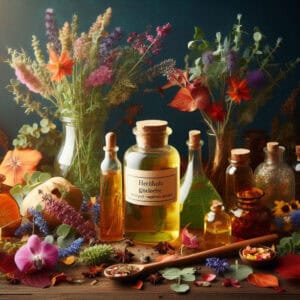
Spring is a season of growth, renewal, and awakening. As nature stirs from winter’s slumber, tender greens and blossoms emerge—bringing forth a bounty of fresh herbs and flowers ready to be transformed into potent tinctures. Tinctures are concentrated liquid extracts that capture the medicinal essence of plants in alcohol or another solvent, preserving their healing properties for long-term use.
By foraging or cultivating spring herbs, we can craft tinctures that revitalize energy, support detoxification, and harmonize body and mind. In this article, we’ll explore the art of making spring tinctures, from gathering botanicals to practical methods for use in your daily wellness rituals.

Spring Foraging for Medicinal Ingredients
Spring’s bounty provides a wealth of vibrant, cleansing, and energizing herbs ideal for tincture-making. Consider incorporating the following:
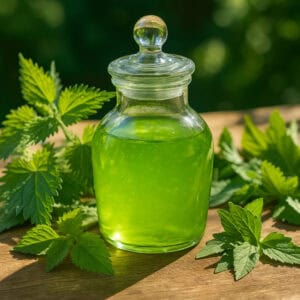
- Nettle (Urtica dioica): A nourishing tonic rich in iron and minerals; supports energy, blood health, and gentle detoxification.
- Dandelion Root & Leaf (Taraxacum officinale): A classic spring liver tonic, aiding digestion and cleansing.
- Lemon Balm (Melissa officinalis): Calming yet uplifting; supports nervous system balance and emotional renewal.
- Peppermint (Mentha piperita): Refreshing and cooling; aids digestion, relieves tension, and boosts clarity.
- Cleavers (Galium aparine): A cleansing spring herb known for supporting lymphatic flow and skin health.
Method for Crafting Spring Tinctures
Ingredients
- Fresh or dried spring herbs of your choice
- High-proof alcohol (vodka or brandy preferred)
- Glass jars with tight-fitting lids
- Cheesecloth or fine mesh strainer
Process
- Harvest or source your chosen herbs. Clean gently and allow fresh herbs to wilt slightly to reduce moisture.
- Chop the botanicals into small pieces to maximize surface area.
- Fill a clean glass jar about three-quarters full with herbs.
- Pour alcohol over the botanicals, ensuring they are fully submerged. Use a ratio of 1 part herbs to 2 parts alcohol.
- Seal the jar tightly and store in a cool, dark space.
- Shake the jar gently every few days to assist the extraction.
- After 4–6 weeks, strain the tincture through cheesecloth into a clean glass container.
- Label with the herb name, date, and ingredients used.
Utilizing Spring Tinctures for Well-being
- Internal Use: Take a few drops under the tongue or dilute in water or tea. This allows for fast absorption and supports energy, digestion, or stress relief.
- Topical Application: Mix tinctures like nettle or cleavers with carrier oils to create cleansing, toning skin preparations.
- Custom Blends: Combine tinctures for personalized effects—such as lemon balm + peppermint for mental clarity, or nettle + dandelion for gentle detoxification.
Storing and Shelf Life
- Store tinctures in amber glass bottles to protect from sunlight.
- Keep in a cool, dark place for best preservation.
- Properly stored tinctures can remain potent for many years.
- Always label clearly and check regularly for changes in scent or color.
Conclusion
Spring tinctures capture the essence of renewal—vital, cleansing, and full of life. Through herbs like nettle, dandelion, lemon balm, peppermint, and cleavers, we draw nature’s awakening energy into our own rhythms. These tinctures serve as allies in balancing the body, clarifying the mind, and embracing the gentle transformation that spring brings.
By crafting your own tinctures, you connect more deeply with the living earth and preserve the vitality of the season for months to come. Each drop is a reminder of spring’s resilience and promise—an invitation to nurture your well-being with the gifts of nature’s awakening.