Introduction
Warm Your Soul with Healing Winter Teas
Winter can be a challenging time for our health, as the cold weather and dry air can cause a variety of ailments, from coughs and colds to dry skin and chapped lips. While there are many over-the-counter remedies available, they can be costly and may contain harsh chemicals. Luckily, there are plenty of natural home remedies that can be made using items and materials that are readily available during the winter months. In this article, we will explore some effective and easy-to-make home remedies that use ingredients and materials from wintertime, so you can stay healthy and comfortable all winter long without breaking the bank.
There are a lot of home remedies and nearly endless possibilities of methods, in this article we’ll go over teas.

Teas
Tea has long been cherished as a soothing and comforting beverage, and during the winter months, it becomes even more essential. As the cold weather sets in and the immune system is put to the test, a warm cup of tea can provide both physical and mental respite. By incorporating winter herbs into our tea blends, we can harness their medicinal properties to boost our immunity, soothe winter ailments, and promote overall well-being. In this article, we will explore the art of crafting winter teas using a variety of winter herbs, along with the methods to prepare these therapeutic beverages at home.
Historical Significance of Teas in Witchcraft, Paganism, and Wiccan Traditions
Teas have played a significant role in witchcraft, paganism, and Wiccan traditions, where they are valued for their medicinal and magical properties. These practices recognize the power of herbs and the ritual of tea-making as a means to heal, connect with nature, and enhance spiritual practices.
Ancient Practices
In ancient pagan cultures, teas were often used in rituals and ceremonies to promote healing and spiritual well-being. The act of brewing and drinking tea was seen as a way to connect with the natural world and harness the energies of the herbs used.
Witchcraft and Teas
Witches have long used teas as part of their magical practices. Herbal teas are often brewed with specific intentions, such as healing, protection, or divination. Herbs like chamomile, peppermint, and ginger are commonly used for their soothing and healing properties. The ritual of making tea is often accompanied by chants, spells, or meditations to enhance the magical properties of the herbs.
Wiccan Traditions
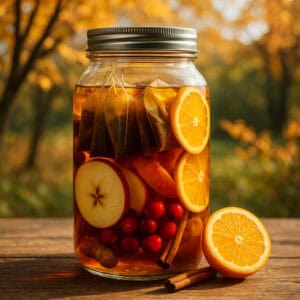
In Wiccan traditions, teas are often used in seasonal celebrations and rituals. For example, during the winter solstice (Yule), Wiccans may brew teas with herbs like cinnamon, clove, and orange peel to symbolize warmth and renewal. These teas are used in rituals to honor the rebirth of the sun and to promote healing and protection during the winter months.
Symbolism and Ritual Use
Teas in witchcraft, paganism, and Wiccan traditions are more than just beverages; they are tools for spiritual growth and transformation. The process of selecting, brewing, and drinking tea is seen as a form of alchemy, where the combination of herbs and intention creates a powerful potion. This practice aligns with the belief that the energy and intention put into the tea can influence its effects.
By understanding the historical and spiritual significance of teas within these traditions, we can appreciate their role not only as a winter remedy but also as a means of connecting with ancient practices and enhancing our spiritual journey.
Benefits of Winter Teas
Winter teas offer a host of benefits that can support our health during the colder months. They provide warmth, hydration, and comfort while also delivering the healing properties of winter herbs.
Some key advantages of winter teas include:
- Immune Boost: Winter herbs such as echinacea, elderberry, and rosehip are known for their immune-boosting properties. Drinking teas infused with these herbs can help strengthen the immune system and ward off common winter illnesses.
- Respiratory Relief: Many winter herbs possess expectorant and decongestant properties, making them effective in soothing respiratory issues. For instance, herbs like thyme, eucalyptus, and mint can help alleviate coughs, congestion, and sinus problems.
- Antioxidant Power: Winter herbs like cinnamon, ginger, and cloves are rich in antioxidants, which combat free radicals and reduce oxidative stress in the body. Including these herbs in your winter teas can contribute to overall well-being and protection against seasonal ailments.
Winter Herbs for Tea Blends
Several winter herbs can be used to create delightful and beneficial tea blends. Here are some popular winter herbs to consider incorporating into your teas:
- Peppermint: Known for its refreshing flavor, peppermint is an excellent choice for winter teas. It can help soothe digestion, relieve headaches, and clear congestion.
- Chamomile: Chamomile is renowned for its calming properties, making it perfect for soothing stress and promoting relaxation during the winter season.
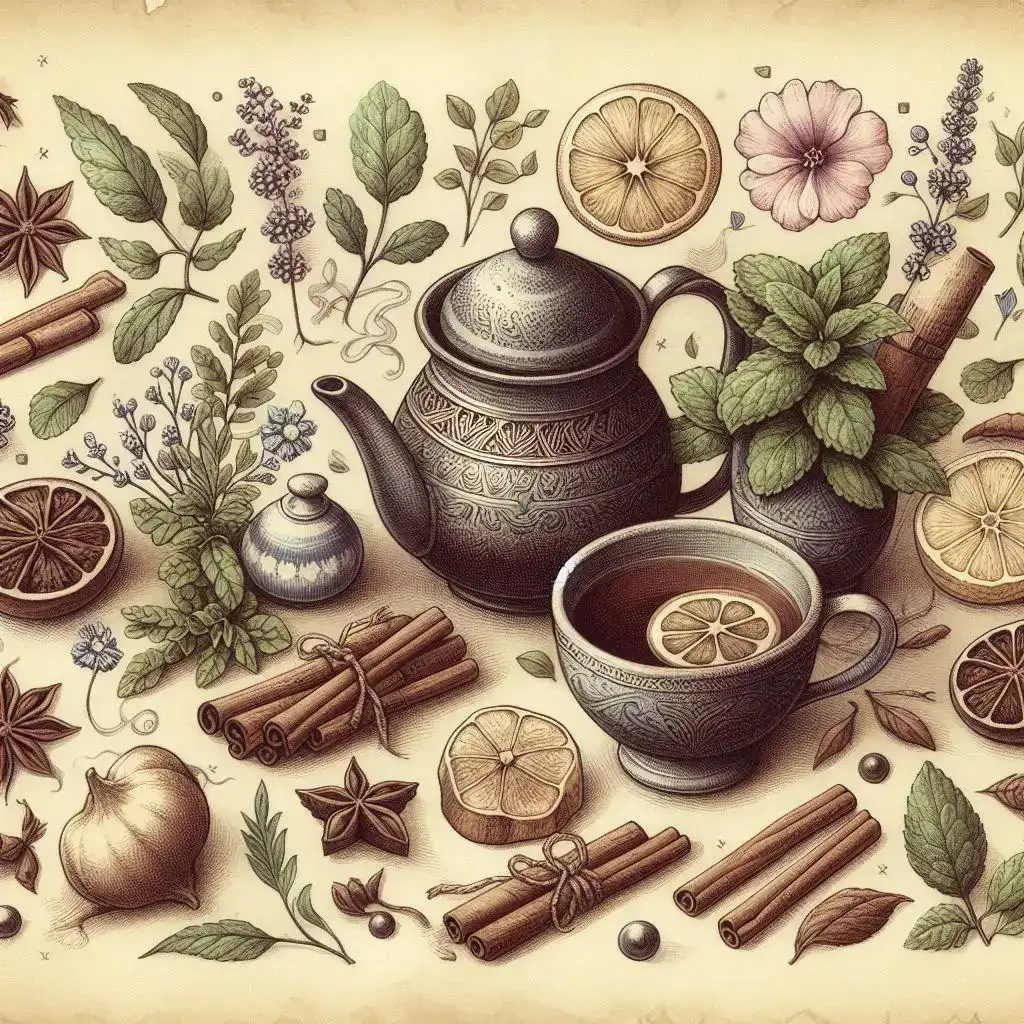
- Cinnamon: A staple spice of the season, cinnamon not only adds warmth and flavor to teas but also offers anti-inflammatory and antimicrobial benefits.
- Lemon Balm: Lemon balm is a lemon-scented herb that can help uplift the spirits and ease stress. It also aids in digestion and promotes relaxation.
Methods for Making Winter Teas
There are various methods to prepare winter teas, depending on the herbs and flavors you desire. Here are a few popular approaches:
- Infusions: The most common method involves steeping herbs in hot water. Simply bring water to a boil, pour it over your chosen herbs, and allow them to steep for 5-10 minutes. Strain the tea and enjoy.
- Decoctions: Decoctions are suitable for tougher plant materials like roots, barks, or seeds. Simmer the herbs in water on low heat for 15-20 minutes, then strain and serve.
- Herbal Blends: Experiment with combining different herbs to create flavorful and therapeutic blends. Mix and match herbs like peppermint, chamomile, cinnamon, and lemon balm to create unique winter tea combinations.
- Sweeteners and Enhancements: To enhance the taste and benefits of your winter teas, consider adding natural sweeteners like honey or a squeeze of lemon juice. You can also experiment with spices like ginger or nutmeg for added warmth and flavor.
Winter teas offer a delightful and nourishing way to support our well-being during the colder months. By incorporating winter herbs into our tea blends, we can harness their healing properties and create flavorful concoctions that boost immunity, soothe winter ailments, and provide comfort. Whether
Conclusion
Winter teas offer a delightful and nourishing way to support our well-being during the colder months. By incorporating winter herbs like peppermint, chamomile, cinnamon, and lemon balm into our tea blends, we can harness their healing properties to boost immunity, soothe winter ailments, and provide comfort. Whether through infusions, decoctions, or herbal blends, these teas provide warmth, hydration, and a sense of well-being. Embrace the art of crafting winter teas to nurture your body and spirit throughout the season.
Cheers to your winter wellness!