Introduction
Honoring Ancestral Spirits and Feminine Energies through Sacred Cooking
Yule’s Mother’s Night, or Modraniht, marks the beginning of Yule festivities and is a sacred time for honoring the Disir—protective female spirits, ancestors, and guides—and the nurturing feminine energies that influence the hearth and home. The warmth of the hearth and the aroma of food carry a deeper spiritual significance on this night, as the kitchen becomes a sacred space for alchemy and remembrance. Through the preparation of offerings and the intentional adornment of the altar, practitioners honor their ancestors, the Disir, and the generative forces that bring life and protection. This ritual focuses on creating culinary offerings that invite the spirits to the hearth, and in doing so, blend the energies of nourishment, connection, and reverence.

Ritual Basics
Before beginning any ritual, it is important to prepare yourself mentally and physically. You may want to take a cleansing bath, or shower, and meditate or perform some grounding exercises to center yourself. Gather any materials you will need, such as candles, incense, and offerings for the forest spirits.
You can read a more detailed Ritual Preparation guide here.
The Spirit of Yule’s Mothers’ Night
Mother’s Night offers a space for reflection, honoring, and reverence of feminine energies that hold together families, communities, and the cycles of life itself. It is an eve devoted to the Disir, female ancestors, and spirits that provide guidance and blessings. This ritual invites participants to engage in a conscious celebration of their feminine lineage and the nurturing power of food. The feast prepared is more than sustenance; it becomes an offering to those who dwell beyond the veil, expressing gratitude for the paths they have paved and the protection they provide. As you prepare, cook, and present these offerings, you weave intention into every dish, creating a sacred communion between the seen and unseen.
Offerings for the Altar: A Sacred Feast for the Disir
Tools
- Cookware and Utensils (required) For preparing and serving the dishes
- 1 Candle or Lantern (required) To symbolize the light of the Disir, placed on the altar or near the stove
- 1 Altar cloth (optional) A cloth to adorn the altar; consider colors such as red, white, green, or gold
- 1 Offering bowl or plate (required) To present the food offerings to the spirits
Supplies
- Ingredients for Meal Offerings required – Select dishes that are meaningful to you or your ancestors, or seasonal Yule foods (breads, meats, fruits, nuts, desserts)
- 1 Bundle Fresh Herbs optional – Such as rosemary, thyme, or sage for purification and protection
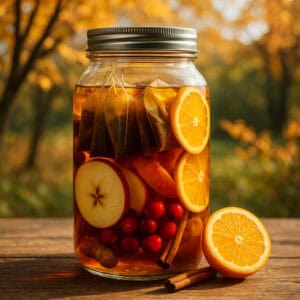
- 1 Cup Drink Offering optional – Wine, mead, cider, or other favorite beverages to offer
- 1 Small Bouquet Winter Greens or Flowers optional – Holly, pine, ivy, or flowers to honor feminine energies
Instructions
Step 1: Creating the Sacred Kitchen and Hearth Space
- Prepare your space by clearing and cleaning your kitchen area, setting an intentional mood for sacred cooking.
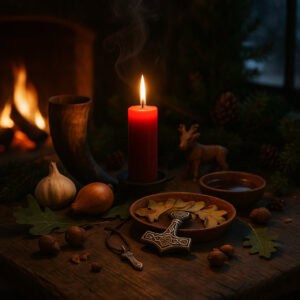
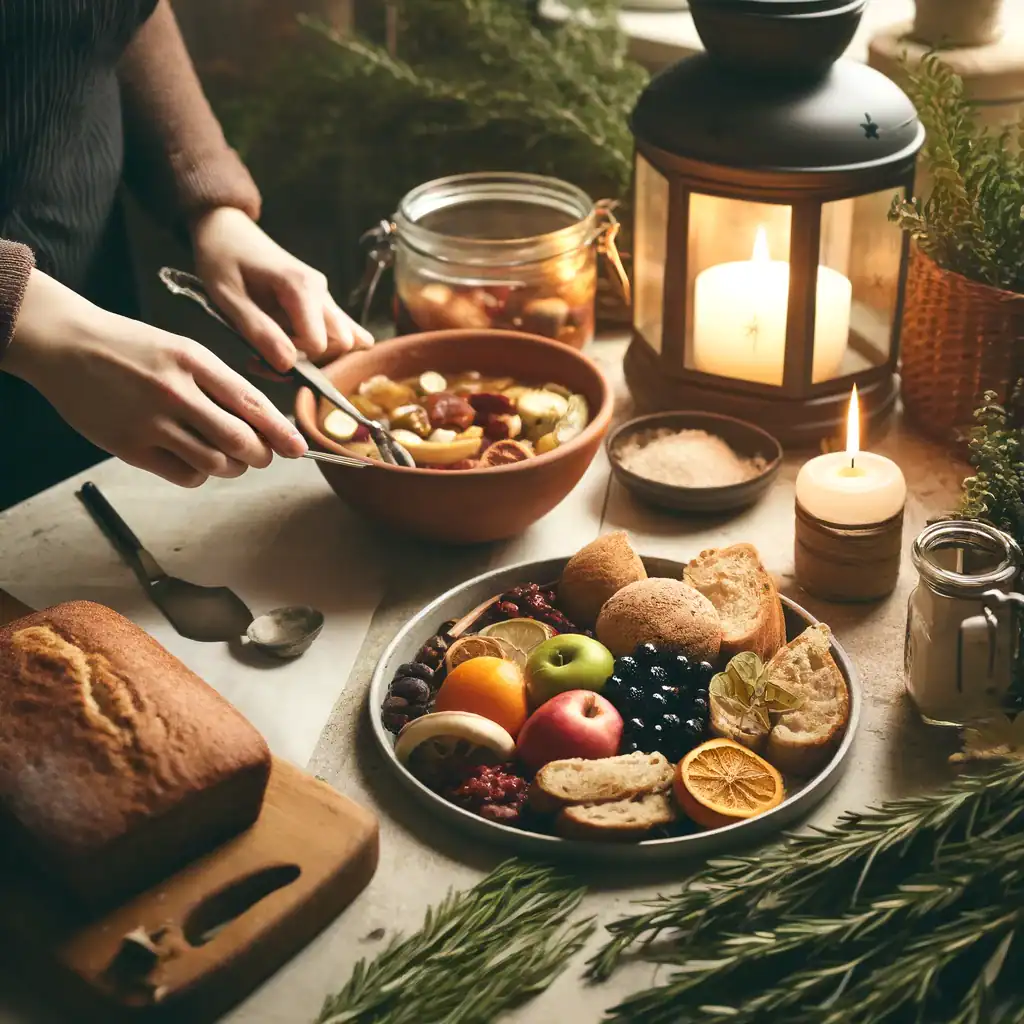
- Light a candle or lantern, symbolizing the guiding light of the Disir. Place it on your stove, counter, or altar area to bring warmth and invite the spirits to join you in the act of cooking.
- If you have a dedicated altar space for the Disir, adorn it with the altar cloth, symbols of the season (evergreen, winter fruits), and any images or tokens that represent your female ancestors or protective spirits.
Step 2: Choosing and Preparing the Meal Offerings
- Select dishes that have special significance, either to you or to the Disir. Traditional Yule foods include hearty breads, stews, root vegetables, nuts, dried fruits, sweet desserts, and spiced drinks.
- As you prepare each dish, work with intention, focusing on the love and nourishment the food will bring, both to those who eat it and to the spirits who receive it. You may speak words of gratitude or silently send loving thoughts to your ancestors and guides as you cook.
- Allow your senses to awaken to the textures, aromas, and energy of the ingredients, recognizing that each item holds magic and connection to the earth, the cycle of seasons, and the feminine power that nurtures and sustains.
Step 3: Offering Portions to the Disir
- As you finish each dish, take a small portion to set aside for the altar offering. This may include a bit of bread, a spoonful of stew, a piece of dessert, or a cup of mulled cider.
- Arrange these offerings on a dedicated plate or bowl, placing it on the altar or hearth. If you have a drink offering (such as wine or mead), pour it into a special cup to present to the spirits.
- Speak words of invitation and reverence, welcoming the Disir to partake in the meal. An example invocation may be:
- “I offer this feast to the Disir, the honored spirits,Protectors, guides, and mothers of old.Partake in this meal prepared with love,And let your blessings be upon this hearth and home."
Step 4: Honoring the Feast and Family Connection
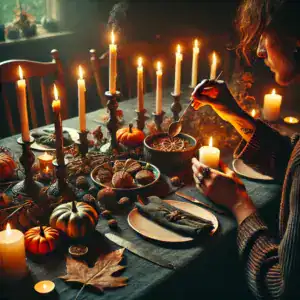
- With your family, friends, or alone, sit down to the meal you have prepared. Let the atmosphere be one of joy, warmth, and storytelling. Share memories of your female ancestors or speak of the nurturing energies you wish to honor.
- Take a moment of silence before eating to give thanks for the food, the feminine guidance in your life, and the spirits that protect and guide your journey.
- As you enjoy the meal, hold the presence of the Disir and feminine energies in your thoughts. Engage in conversations that evoke love, gratitude, and connection.
Step 5: Closing the Ritual
- Once the meal is complete, leave the food offerings on the altar overnight, allowing the Disir to partake in the spirit of the feast.
- The next day, you may return the food to nature by placing it outdoors, either burying it in the earth or leaving it for animals. This act acknowledges the cycle of giving and receiving, reflecting the season’s theme of generosity.
- Offer a final blessing or words of gratitude to the Disir as you extinguish the candle, knowing their presence has been honored and the connection between you and them strengthened.
Offerings for the Altar: A Sacred Feast for the Disir
Proudly brought to you by
The Equinox Apothecary
© The Equinox Apothecary 2026 – Permission is granted to copy and reproduce this Ritual with attribution
Conclusion
Mother’s Night is a celebration of nurturing, connection, and remembrance, dedicated to honoring the Disir and the protective feminine spirits in our lives. Through the sacred act of cooking and offering food, you create a space where the physical and spiritual worlds can meet, and where the warmth of the hearth becomes a bridge to the unseen. May your offerings carry love and gratitude to your ancestors and spirits, and may their blessings of protection, fertility, and joy fill your hearth and home as you honor them on this sacred night of Yule.