Introduction
A Witch’s Guide to a Sacred Feast
When we think of meals in witchcraft and pagan practices, we often consider the spiritual energy and intent behind the preparation, consumption, and even sharing of food. A 12-course meal, traditionally a decadent and lengthy affair, offers more than just culinary delight; it provides an opportunity to align each course with magical intent and purpose, turning the meal into a ceremonial experience.
This article will take you through the 12 courses, each with its traditional culinary purpose and a touch of magic. You’ll learn how to incorporate elements of the craft, seasonal energies, and witchy symbolism into every stage of the feast.

The Structure of a 12-Course Meal
A 12-course meal follows a progression of dishes, designed to stimulate different senses, palates, and energies. Each course is an opportunity to introduce a magical intention, herb, or flavor profile that resonates with a different aspect of life or energy. Here’s how you can transform each course into a magical experience.
1. Amuse-Bouche (The Opening Spell)
Purpose: A tiny, bite-sized starter, the amuse-bouche awakens the palate and sets the tone for the meal to come.
Magic: Use this first course to open up your guests’ senses and start setting the intentions for the feast. Consider a small morsel infused with herbs for heightened awareness, like rosemary for mental clarity or basil for good luck. This is the first spell you cast on the meal—an opening invocation to the experience.
2. Soup (Cleansing and Protection)
Purpose: Soups are gentle and warm, often broths or purees that continue to prepare the body for the courses ahead.
Magic: Soups are ideal for introducing cleansing and protective energies. Choose ingredients like garlic and onion to ward off negativity, or fennel for purification. Stirring the soup clockwise will add energy and positivity, while counterclockwise stirs can banish and cleanse unwanted energies from the space and participants.
3. Appetizer (Invocation of Elements)
Purpose: A small, flavorful dish that is more substantial than the amuse-bouche and primes the stomach for heavier courses.
Magic: This is a great opportunity to incorporate elemental magic. An appetizer that balances all four elements (earth, water, fire, and air) can help ground your guests and prepare them to receive the rest of the courses with balance. Think of a vegetable tart (earth), drizzled with a sauce (water), a touch of spice or heat (fire), and something light and crisp like puff pastry or whipped cream (air).
4. Salad (Green Magic and Abundance)
Purpose: A refreshing dish that often cleanses the palate with fresh vegetables and light dressings.
Magic: Salads represent earth magic and abundance. Every leaf of lettuce or herb symbolizes prosperity and the grounding energy of nature. Add edible flowers like violets (love and luck) or nasturtiums (creativity and passion) to enhance the energies of the ingredients. Use vinaigrettes or citrus dressings to add a touch of movement and flow, invoking emotions and intentions that will carry forward throughout the meal.
5. Fish Course (Connection to Water and Intuition)
Purpose: A lighter protein course, often focusing on delicate flavors and subtle seasonings.
Magic: Fish naturally connects to the element of water, and this course can be used to open intuition, emotion, and spiritual receptivity. Choose flavors and ingredients that correspond to the moon or water elements, like lemon (clarity), dill (focus), or sea salt (purification). For a vegetarian option, a seaweed salad or dishes containing coastal ingredients like sea beans are equally potent.
6. Main Course (Manifestation and Power)
Purpose: The heaviest and most substantial dish, usually meat or a hearty vegetarian option, which serves as the focal point of the meal.
Magic: The main course symbolizes manifestation and physical power. Here, you can focus on grounding energies and manifestation through hearty ingredients like root vegetables (potatoes, carrots) for stability, or proteins like beef or mushrooms for strength. Season with herbs like thyme (courage), sage (wisdom), or black pepper (banishing negativity).
7. Palate Cleanser (Spiritual Rebirth)
Purpose: A small serving designed to refresh the taste buds, preparing for richer, sweeter courses.
Magic: The palate cleanser is an opportunity for rebirth and renewal. A sorbet infused with herbs like mint (fresh starts) or lemon balm (calm and joy) can help shift energies and prepare for the sweetness to come. Think of it as a symbolic clearing of space, making way for something new and vibrant.
8. Cheese Course (Balance and Duality)
Purpose: Cheese courses offer a variety of flavors and textures, often paired with nuts, fruits, or crackers.
Magic: Cheese represents both indulgence and balance—especially when paired with complementary flavors like sweet fruits or tangy nuts. Incorporate dried figs (fertility and love), honey (attraction), and walnuts (mental clarity) to provide not only a balance of flavors but also a representation of duality in magic. Think of the harmony of opposites—sweet and savory, soft and crunchy.
9. Dessert (Pleasure and Gratitude)
Purpose: The sweet conclusion to the main part of the meal, typically a rich, sweet, and indulgent dish.
Magic: Dessert is all about joy, pleasure, and gratitude. Make this course a celebration of life’s sweetness by using vanilla (love), chocolate (sensuality), or cinnamon (protection and prosperity). Let this course be a physical manifestation of the pleasures of life and the intent to savor every moment. Use decorations like edible gold leaf to symbolize wealth and abundance.
10. Mignardises (Blessings and Sweet Farewells)
Purpose: Tiny sweet treats, like truffles, macarons, or candied nuts, served to end the meal on a sweet note.
Magic: Mignardises are often shared communally, making them an ideal way to bless and send off your guests. Anoint these little bites with blessing oil or dust them with powdered sugar mixed with a pinch of dried herbs like lavender (calm and protection) or rose petals (love and beauty) for added intention.
11. Fruit Course (Renewal and Health)
Purpose: A simple, fresh course of seasonal fruits, offering a light finish to the meal and preparing the body for digestion.
Magic: Fruit is a powerful symbol of renewal, life, and health. Using seasonal and local fruits ties the meal into the natural cycles, reinforcing renewal and grounding. Apples (knowledge and healing), grapes (fertility and prosperity), and pomegranate seeds (abundance and fertility) can all be used to close the meal with a blessing of health and continuation.
12. Digestif (Closure and Grounding)
Purpose: A small after-dinner drink, like liqueurs, brandy, or herbal tea, to aid digestion and conclude the feast.
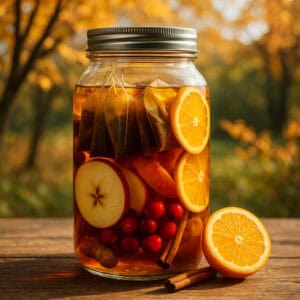
Magic: The digestif serves as a closing to the ceremony, grounding the energies raised throughout the meal. An herbal liqueur or tea with fennel (healing), chamomile (calm), or peppermint (renewal) will not only aid digestion but also gently guide the energies toward a peaceful conclusion. Toast to the intentions set throughout the feast and give thanks for the experience shared.
Conclusion: Crafting a Magical Meal
Each course of a 12-course meal offers a magical touchpoint, from the setting of intentions at the amuse-bouche to the closing digestif that seals the energies. By weaving magical correspondences into the ingredients, preparation, and consumption of each course, the meal becomes more than just sustenance—it becomes a ritual, a celebration, and a spell in its own right.
Embrace the energies, flavors, and intentions of each course to create a truly magical dining experience that feeds not only the body but also the spirit and soul. Whether you are hosting a grand sabbat feast or an intimate gathering, let each course be a celebration of the magic in food and the power of communal ritual. Blessed be, and bon appétit!