Introduction
Embracing the Witch’s New Year
The day after Samhain, November 1st, is a time of profound spiritual significance for Pagans, Wiccans, and those who follow the Wheel of the Year. Known as the “Witch’s New Year,” this day serves as a bridge between the end of one cycle and the beginning of another, marking a time of reflection, renewal, and setting intentions for the path ahead. While Samhain is the grand finale of the Pagan year, a celebration that honors the thinning veil between the worlds and connects the living with the ancestors, November 1st is the first step into a new year of possibility, growth, and transformation.
In this article, we explore how November 1st is recognized within modern witchcraft and Pagan practices, its deep symbolism as the start of the new spiritual year, and how to honor this sacred time with rituals, reflections, and ceremonies.

The Witch’s New Year: Stepping into a Fresh Cycle
In many modern Pagan traditions, particularly Wicca, Samhain is seen as the final sabbat on the Wheel of the Year, marking the end of an annual cycle of growth, harvest, and spiritual work. Celebrated on October 31st, Samhain is a time for honoring the dead, reflecting on the harvest, and celebrating the final gathering of the year’s crops. However, with the passing of Samhain, the focus shifts from honoring the old to welcoming the new. November 1st is thus seen as the first day of the new cycle, a spiritual rebirth and renewal that is often called the “Witch’s New Year.”
This transition from one cycle to the next mirrors the earth’s own journey. As the northern hemisphere prepares to enter the cold and dark months of winter, the cycles of nature remind practitioners of the need for rest, introspection, and rejuvenation. The earth’s energy is beginning to withdraw into itself, just as leaves fall to nourish the soil and animals prepare for hibernation. Similarly, the Witch’s New Year provides a unique opportunity for people to turn inward, shed old patterns or beliefs that no longer serve their highest good, and plant the seeds for a fresh start that will eventually sprout in the coming spring.
The concept of a “new year” beginning at this point in the seasonal cycle is deeply rooted in the symbolism of Samhain. As the final harvest sabbat, Samhain celebrates the end of the season of light and growth. The day after, November 1st, transitions into the time of darkness and rest—a crucial phase for both the earth and the spirit. It is believed that during this time, the veil between the worlds of the living and the dead remains thin, but the focus begins to shift from active communing with spirits to inner reflection and setting new intentions. This shift in focus is not just about welcoming new possibilities, but also about taking the lessons learned from the past year and allowing them to inform and shape the path ahead.
November 1st is considered a day to “sweep the slate clean.” Practitioners take this time to metaphorically sweep away the debris of the past, letting go of emotional baggage, unhealthy habits, or anything that has proven to be a burden. This is also a time to pay attention to unresolved issues that have emerged throughout the year. Whether through quiet contemplation, journaling, or performing specific release rituals, practitioners aim to process these experiences, seeking closure and wisdom from what has transpired. Once these experiences are integrated and released, they make space for new beginnings, creating fertile soil for future growth.
Just as the earth lies fallow and dormant during the winter to prepare for the rebirth of spring, November 1st is a period of dormancy for the soul—a time to rest, recharge, and quietly nurture the dreams and goals that will eventually come to life. It is a spiritual resting period, one that offers the perfect opportunity for transformation and renewal. Practitioners often set intentions for the coming year on this day, infusing them with hope, excitement, and determination. These intentions are not only personal goals but spiritual commitments, such as self-improvement, deepening relationships with the divine, exploring new spiritual practices, or strengthening the connection to nature.
During the Witch’s New Year, there is a profound sense of “being in between”—neither here nor there, not fully tied to the past nor completely rooted in the future. This liminal quality is what makes November 1st so powerful, as it is a time when all possibilities are open, and anything is possible. The energies of this day are ripe for setting intentions that can blossom over time, especially as they align with the turning of the seasons. The liminality also makes it a particularly potent time for magick, divination, and personal rituals aimed at transformation.
Setting goals on the Witch’s New Year may involve creating vision boards, writing affirmations, and performing meditative journeys that envision a future of abundance, growth, and spiritual enlightenment. Some practitioners may write down their intentions for the new year and place them on their altars, where they remain as a constant reminder of the commitment made to personal and spiritual development. Others may take their intentions to nature, either burying them in the earth as a symbol of planting seeds or casting them into a body of water to flow freely and manifest.
Another aspect of stepping into this fresh cycle is recognizing the cyclical nature of time. November 1st is a time of rebirth, but it is also deeply connected to the death cycle represented by Samhain. The old must die for the new to be born, and this is true in the spiritual world as much as it is in the physical one. This cycle of death and rebirth is honored through rituals that acknowledge the past and its teachings, and it is this acknowledgment that makes the new beginnings of the Witch’s New Year possible. Just as the sun will eventually return to its height at the summer solstice, so will the seeds planted in the dark months emerge into the light, bearing fruit in their season.
In this way, November 1st is not just a day of new beginnings—it is a day of profound connection to the cycles of nature, the rhythms of the earth, and the continual turning of the Wheel of the Year. By honoring the past, releasing what no longer serves, and intentionally setting goals for the future, practitioners step into the fresh cycle with a sense of purpose, hope, and empowerment. This time of transition is sacred and transformative, offering each individual the chance to align their lives with the flow of natural energies and begin anew.
Honoring November 1st: Traditions and Symbolism
The day after Samhain is a day of balance and contemplation. It is a time to pause, integrate the wisdom of the past, and welcome the coming year with open arms. Here are some of the ways that Pagans and Wiccans honor this sacred transition:
Reflection and Self-Assessment
The day after Samhain is an ideal time to reflect on the past year’s journey. What challenges did you face? What victories did you achieve? Take time to acknowledge how much you have grown and how you have navigated life’s challenges. Many practitioners choose to journal their thoughts, reviewing both accomplishments and areas of struggle to gain clarity and set the foundation for growth in the new year. This self-reflection can help identify what lessons have been learned and what goals and intentions can be set for the coming cycle.
Ritual of Release and Renewal
Since November 1st is a day of new beginnings, it is an excellent time for a ritual of release and renewal. This ritual may involve writing down anything that you wish to let go of—negative habits, limiting beliefs, unresolved conflicts—on a piece of paper and then burning it as an act of release. Some may choose to perform this ritual outdoors, connecting with the elements of fire, air, earth, and water to purify their intentions and symbolize letting go of the past. The ashes of the paper may be scattered in nature as a way of returning them to the earth for transformation.
Setting Intentions for the New Year
Just as many cultures create New Year’s resolutions, the Witch’s New Year is a powerful time to set intentions, make wishes, and create vision boards for what you wish to manifest in the upcoming cycle. You can use a fresh journal dedicated to your goals for the new year, or you can write your intentions on parchment and place them on your altar. Spend time meditating on these intentions, visualizing them coming to fruition throughout the year, and invoking the energies that will support your journey.
Candle Lighting for New Beginnings
Lighting candles is a traditional way to honor both the darkness and the light within. On November 1st, many Pagans light white or gold candles to symbolize the birth of the new year and to invoke the energy of hope, growth, and renewal. Some may choose to meditate or perform rituals by the candlelight, focusing on the flame as a representation of their own inner light guiding them forward.
Rebirth and the Season of Darkness
November 1st marks the beginning of the darker half of the year—a season that invites practitioners to journey inward, to explore the depths of their souls, and to lay the groundwork for profound spiritual transformation. With the end of Samhain and the arrival of the Witch’s New Year, the world enters a time when days become shorter, nights grow longer, and the energy of the earth retreats into the stillness of winter. This shift in light and darkness is far more than a physical change; it is deeply symbolic of the inner journey that awaits and the sacred opportunities for growth and renewal that come with embracing the season of darkness.
In many Pagan and Wiccan traditions, the dark half of the year is viewed as a time for introspection and contemplation. Just as nature prepares for a period of rest and renewal, human life mirrors this rhythm. The darkness is not seen as something to fear or avoid; rather, it is honored as a powerful ally in the process of self-discovery and healing. It is within the darkness that the deepest mysteries lie, and by embracing the shadows within and without, practitioners find space to nurture, transform, and rediscover their inner light.
The season of darkness can be likened to the dormant period that seeds undergo when they are nestled deep within the earth. The seeds planted on November 1st, whether they are intentions for the future, spiritual goals, or personal aspirations, are buried within the fertile soil of the practitioner’s consciousness. Much like the unseen roots that begin to spread and grow underground during the winter, these spiritual seeds gestate, developing strength and potential until the time comes for them to break through the surface and reach toward the returning light of spring. This period of dormancy is essential; it allows time for reflection, development, and a deeper understanding of oneself, ultimately leading to a powerful rebirth when the light returns.
During this season, the natural world becomes a source of inspiration and guidance for the spiritual work that unfolds. The long nights and cool air encourage a slowing down, a turning inward, and a deepening of one’s relationship with the self and with the divine. Practitioners often align their activities with the energy of the season, focusing on practices that support self-care, personal transformation, and spiritual exploration. By embracing the stillness and quiet that come with the dark half of the year, they find the space to listen to their inner voice, process emotions, and seek wisdom from the cycles of life and death.
Some of the practices that become central during this time include:
- Meditation and Contemplation: The season of darkness provides the perfect backdrop for meditative practices that foster inner peace and clarity. With the external world growing quieter, practitioners find it easier to enter deep states of meditation, allowing them to explore their thoughts, desires, and emotions. Whether through silent meditation, guided visualizations, or walking meditations in nature, this practice supports a deeper connection to the self and to the spiritual energies present during the darker months.
- Shadow Work: Shadow work is a practice that involves exploring the hidden or “shadow” aspects of the self—those parts of the personality that are often repressed, denied, or misunderstood. Engaging in shadow work during the dark half of the year can be particularly powerful, as it aligns with the natural theme of introspection and transformation. By courageously delving into the shadow self, practitioners can confront unresolved issues, heal emotional wounds, and ultimately integrate all aspects of their being into a more balanced whole.
- Dream Journaling and Exploration: As the nights grow longer, dreams become an important tool for spiritual growth and self-awareness. Many practitioners keep a dream journal during this time, recording their dreams each morning and reflecting on the symbols, themes, and emotions that arise. Because the veil between the worlds remains thin throughout this period, dreams can serve as a conduit for messages from the spirit world, offering guidance, wisdom, and insights that support personal and spiritual growth.
- Divination and Scrying: The dark half of the year is ideal for divination and other methods of seeking spiritual insight. Whether through tarot cards, runes, pendulums, or scrying with mirrors, water, or crystals, practitioners use these tools to gain clarity on their path, seek direction for the new year, and connect with the wisdom of ancestors and spirit guides. The enhanced spiritual energy during this time can make divination particularly potent, revealing hidden truths and aiding in the process of setting intentions for the future.
- Connecting with the Spirit World: While the energy of Samhain is most closely associated with communing with spirits, the connection to the spirit world continues throughout the dark half of the year. Practitioners may continue to honor their ancestors by keeping ancestor altars, lighting candles, or offering food and drink to those who have passed on. It is also a time to connect with spirit guides, deities associated with darkness or transformation, and any other spiritual beings that hold significance in one’s practice. This deepened connection to the spirit realm provides comfort, guidance, and support during the season of reflection.
- Rituals for Releasing and Renewing: Just as the earth releases its leaves in autumn, November 1st and the weeks that follow are a time for letting go of what no longer serves one’s highest good. Practitioners may perform rituals that involve releasing old patterns, toxic habits, or outdated beliefs into a fire, burying them in the earth, or casting them into running water. These rituals are often paired with affirmations, intentions, or blessings for renewal and transformation, ensuring that space is created for the new to emerge.
The season of darkness is a time for honoring the cycles of life, death, and rebirth that flow through both nature and the human experience. It is a reminder that the quiet, restful period of winter is not a period of stagnation but one of preparation and gestation for future growth. Just as seeds cannot bloom until they are first buried and nourished underground, the soul must also find time to rest, release, and transform in order to emerge renewed. Embracing the darkness allows for an authentic experience of self-discovery, offering opportunities to build resilience, deepen one’s spiritual practice, and align with the ever-turning Wheel of the Year.
In recognizing the beauty and necessity of the dark half of the year, practitioners learn to find comfort in the shadows, understanding that it is from the stillness of winter that the vibrant life of spring will eventually be born. November 1st and the following season become a powerful period of transformation—a time to sow spiritual seeds, cultivate inner wisdom, and prepare for the bright, blossoming days ahead.
Connecting with the Ancestors and the Spirit World
While the night of Samhain is traditionally dedicated to communing with the spirits of ancestors and those who have passed beyond the veil, November 1st carries this energy forward, offering a day to continue honoring the departed and to thoughtfully integrate the messages and wisdom received. This day is seen as a continuation and deepening of the connection formed during Samhain, allowing practitioners to maintain their focus on the spirit world while shifting from active celebration to a more reflective and contemplative engagement. For many Pagans, the work of connecting with ancestors doesn’t simply end on Samhain night—it becomes an ongoing practice that sets the tone for the entire Witch’s New Year.
Creating an Ancestor Altar
One of the most common practices on November 1st is the creation of a dedicated ancestor altar. This sacred space serves as a focal point for honoring those who have gone before, providing a tangible way to maintain a relationship with them. The altar can be as simple or as elaborate as desired, and it is often adorned with photos of loved ones, heirlooms, mementos, and other items that represent the lives and spirits of those being honored. Seasonal decorations like autumn leaves, pumpkins, dried flowers, and candles may also be added to represent the connection between the living and the dead, as well as the changing cycles of the earth.
Offerings play an important role on this altar. Food and drink are traditional, especially those items that were loved by the ancestors in life—whether it’s a slice of bread, a glass of wine, or a special dish that holds familial significance. Some practitioners choose to pour a small libation of wine or milk, leave a piece of fruit or bread, or even offer herbs like rosemary or lavender for remembrance and peace. It is not uncommon to leave a small candle burning on the altar throughout the day as a symbol of the everlasting light that connects the living to those who have passed.
Creating an ancestor altar provides a daily reminder of the ancestors’ presence and the continued relationship between the worlds. It offers a place of connection, not only for prayers and offerings but also for conversations, storytelling, and meditation. Through this altar, practitioners are able to honor their ancestors in a tangible way, fostering an ongoing relationship that extends beyond the time of Samhain and into the days, weeks, and months that follow.
Reflective Ancestor Work
While Samhain night is often seen as a festive celebration that actively welcomes spirits to join in the revelry, November 1st allows for a more reflective approach to ancestor work. This day is a time to sit in quiet contemplation, honoring the guidance and support received from the ancestors and acknowledging the lessons learned from them. It is an opportunity to offer gratitude for their enduring love and wisdom and to seek their continued blessings as the new year unfolds.
Ancestor work on November 1st may involve personal reflection on the qualities, strengths, and wisdom that have been passed down through familial lines. Practitioners may consider what aspects of their ancestry they wish to carry forward—whether it be resilience, creativity, compassion, or a certain skill or craft. This reflective practice allows one to consciously choose the positive traits they wish to embody while recognizing any patterns or cycles that need healing or transformation.
Some may also choose to write letters to their ancestors, expressing their thoughts, gratitude, and desires for the new year. These letters can be read aloud as part of a personal ritual, left on the ancestor altar as an offering, or burned as a way to symbolically send the messages to the spirit world. This practice creates a deeper sense of connection and allows for an open channel of communication that can continue to be nurtured throughout the coming months.
Prayer and Meditation for Ancestor Blessings
Another way to honor the ancestors on November 1st is through prayer and meditation. In these quiet moments, practitioners can send blessings to their ancestors, offer prayers for their peace and happiness in the spirit realm, and ask for their guidance as the new year begins. Some may choose to sit in meditation before the ancestor altar, visualizing the faces of their loved ones and opening their hearts to any messages or impressions that arise. Others may simply close their eyes and listen, allowing their intuition to guide them in feeling the presence and support of their ancestors.
Meditation on this day can also serve as a time to reflect on the cycle of life, death, and rebirth that Samhain represents. By connecting with the rhythms of the earth and the journey of the soul, practitioners are able to deepen their understanding of their own spiritual path and find a sense of peace in the natural transitions of life.
Divination and Seeking Guidance
The connection with ancestors and the spirit world is often enhanced on November 1st, as the veil between the worlds is still thin, making it an ideal time for divination. Many practitioners use tools like tarot cards, oracle cards, runes, pendulums, or scrying methods (such as crystal balls, water, or mirrors) to seek further guidance from their ancestors or to gain insight into the path that lies ahead in the new year.
Divination at this time may focus on receiving messages of wisdom and support from those who have passed, exploring what spiritual work is needed for personal growth, or seeking clarity on any intentions set during the Witch’s New Year. Some people specifically ask their ancestors to bless their divination practice, inviting their guidance to flow through the chosen tool to provide meaningful insights.
For those who wish to engage in group work, divination can also be done in the company of others who share in the same spiritual path. By drawing cards or casting runes together, the community can support each other in interpreting the messages and collectively honor the wisdom of the ancestors as it comes through.
Honoring the Spirits Beyond the Ancestors
While the focus of November 1st is often on honoring one’s direct lineage, this day also provides an opportunity to honor those spirits who are not related by blood but who have been important guides, mentors, or spiritual teachers in one’s life. This could include honoring cultural or historical figures who have inspired personal growth, spirits of the land or local area, or any spiritual beings that hold significance within one’s practice.
Offerings and rituals can be adapted to honor these non-ancestral spirits, asking for their continued support and guidance as the new year unfolds. By expanding the honoring beyond just one’s familial line, practitioners can recognize the interconnectedness of all beings and celebrate the many ways that spiritual support manifests in their lives.
Integration and Moving Forward
November 1st is ultimately a day of integrating the lessons of Samhain and carrying the wisdom of the ancestors forward into the new year. By maintaining this connection beyond the festival night, practitioners are able to continue working with the energies of transformation, reflection, and renewal. As they light candles, offer prayers, and engage in ancestor work, they cultivate a deeper sense of belonging—both to their familial lineage and to the larger web of life that connects the living, the dead, and all that lies between.
It is through these sacred acts of remembrance and honoring that practitioners create a bridge between the past and the future, recognizing that the journey of life is not only about moving forward but also about remembering where one has come from and embracing the wisdom that flows through every generation.
Celebrating the Turning of the Wheel: Festivals and Traditions
With the dawn of November 1st, the energy shifts from the festive and outward celebration of Samhain night to a more inward and reflective atmosphere. In many traditions, this day is marked by the first celebrations of the “Witch’s New Year,” focusing on gratitude, contemplation, and quiet celebration of the turning of the Wheel of the Year. This transition is often honored through feasts, rituals, and personal traditions that embody the themes of introspection, gratitude, and the gentle welcoming of the new cycle.
A Feast of Gratitude and Contemplation
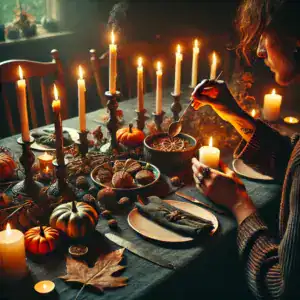
One of the most common ways to celebrate November 1st is with a small feast. Unlike the lively revelry and gatherings of Samhain, this feast tends to be more subdued and meditative, a meal of thanks for the bounty of the earth and the harvest that has sustained life throughout the year. It’s a time to consciously savor the final fruits of the season and enjoy dishes made from apples, nuts, root vegetables, grains, and freshly baked bread. These foods serve as both nourishment and a symbol of the earth’s generosity, offering a tangible connection to the cyclical nature of growth, harvest, and dormancy.
This feast can be held alone, providing a quiet time for personal reflection, or shared with family and friends in a more intimate setting than the festivities of the previous night. During the meal, each participant might offer a word of thanks, reflect on their experiences of the past year, and speak aloud their intentions or hopes for the new one. Toasts to ancestors, spirit guides, or deities associated with Samhain are common, offering continued reverence for those who came before and whose wisdom and protection are sought as the new cycle begins.
In some traditions, a “dumb supper” is held—a silent meal shared in honor of the dead. This practice encourages mindfulness and reflection, allowing participants to focus on their connection to the spirit world and their relationship with their ancestors. A place may be set at the table for a departed loved one, symbolically inviting them to join in the feast. Alternatively, food and drink may be set aside as an offering, either left on the table or placed on an ancestor altar to honor and nourish the spirits.
Honoring the Final Harvest and the Earth’s Cycles
The foods served during this quiet feast are not only chosen for their seasonal significance but also for their symbolic meanings within the context of the harvest and the turning of the year. Apples are a classic fruit of the season and are often used to represent life, immortality, and the connection between the earthly and spiritual realms. Nuts symbolize the seeds of potential that lie dormant through the winter, ready to sprout when the earth awakens in spring. Root vegetables, such as carrots, beets, and potatoes, are representations of grounding energy and the earth’s ability to sustain life through the darker months.
Bread, a staple of the feast, holds great significance as a symbol of transformation. It represents the journey of grain from seed to loaf, reflecting the cycles of growth, death, and renewal that are honored during Samhain. The act of breaking and sharing bread becomes a sacred ritual in itself, a gesture of community and unity that acknowledges the connections between all beings and the cycles that bind them.
For those who practice a solitary path, the feast may be simplified to a single symbolic dish or a small offering of food and drink shared in honor of the ancestors and spirits. The focus is on mindful appreciation of the earth’s abundance and the opportunity to express gratitude for the blessings of the harvest, the lessons learned throughout the year, and the potential of the new cycle.
All Saints’ Day, All Hallows’ Day, and All Souls’ Day
The significance of November 1st also extends beyond Pagan traditions and into the observances of other cultures, most notably as All Saints’ Day or All Hallows’ Day in the Christian calendar. All Saints’ Day, which follows All Hallows’ Eve (now widely known as Halloween), is a day set aside to honor all saints, known and unknown, who have attained spiritual sanctity. This triad of celebrations, which includes All Souls’ Day on November 2nd, forms a time of remembrance and prayer for the dead, aligning with the Pagan themes of ancestor reverence and the acknowledgment of those who have passed into the spirit world.
In many cultures, All Saints’ Day and All Souls’ Day involve visiting the graves of loved ones, cleaning and decorating them with flowers, and leaving offerings of food, candles, or prayers. These practices reflect a deep reverence for the dead and a desire to maintain a relationship with those who have transitioned to the afterlife. Candles are often lit to guide the souls of the deceased, and family gatherings around gravesites become opportunities to share stories, memories, and reflections on the lives of the departed.
In Mexico and other parts of Latin America, these observances are part of the Día de los Muertos (Day of the Dead) celebrations, which span November 1st and 2nd. Altars (ofrendas) are created in homes and public spaces, filled with marigolds, candles, photos, food, and personal items that represent the lives of the ancestors. It is a joyful time of reunion with the dead, marked by music, feasting, and colorful displays that celebrate the lives and memories of loved ones.
A Time for Personal and Community Rituals
Whether rooted in Pagan, Christian, or other cultural traditions, November 1st is an auspicious time for rituals that honor the past and set intentions for the future. Beyond feasting and prayer, many practitioners engage in personal rituals that align with their spiritual beliefs and cultural customs. These might include:
- Lighting Candles: Candles are lit to honor the ancestors, to remember those who have passed, and to bring light into the darker half of the year. Each flame is a symbol of memory, connection, and the continuation of the soul’s journey.
- Creating an Ancestor Journal: Some choose to begin an ancestor journal on November 1st, dedicating a book to recording family stories, messages received in dreams or meditation, and reflections on the guidance provided by those who have passed. This journal becomes a sacred tool for deepening the relationship with the spirit world and documenting spiritual growth throughout the year.
- Walking in Nature: A mindful walk through nature on this day can help align with the cycles of the earth and bring a sense of grounding. Gathering natural objects like leaves, acorns, pinecones, or stones can be incorporated into rituals, altar spaces, or simply kept as reminders of the connection to the earth’s energy.
- Crafting Protective Talismans: As the season shifts toward the longer nights of winter, some practitioners craft protective charms or talismans for their homes or themselves. These may be made with herbs, crystals, or symbolic items and charged with intentions for protection, health, and well-being throughout the colder months.
- Offering Thanks to the Spirits of the Land: As a way to honor the earth and its cycles, offerings may be left outdoors as a gesture of thanks to the spirits of the land. This could include burying food, pouring a libation, or leaving biodegradable tokens of appreciation for the local wildlife or natural elements.
November 1st thus serves as a time of continued connection to the spirit world, a day for grounding oneself in gratitude, and an opportunity to acknowledge the cycle of endings and new beginnings that Samhain represents. It is both a day of quiet reflection and a celebration of the ongoing journey of life, death, and renewal that we all share. By observing this day with reverence and intention, practitioners honor the turning of the Wheel of the Year, stepping forward into the darkness with trust in the light that will come again.
Quiet Reflection and Solitude
For many practitioners, the Witch’s New Year is a deeply personal and introspective time, best honored through quiet reflection and solitude. November 1st offers a sacred pause—a moment to step away from the external world and immerse oneself in a space of stillness, contemplation, and spiritual connection. This day, nestled within the transition from the vibrant celebrations of Samhain, holds the soft silence that allows for a deeper connection to both the self and the rhythms of nature.
Creating Sacred Space for Solitude
The act of setting aside intentional time for solitude on November 1st is a powerful practice. It is an opportunity to create a sanctuary—whether that be a corner of your home, a garden space, or a secluded spot in the woods—where you can quietly reflect and connect with your inner world. Begin by lighting a candle, burning incense, or surrounding yourself with items that bring you comfort and ground you in your spiritual practice. These may be seasonal items, such as autumn leaves, crystals, or images of ancestors, that help evoke the energies of the season and the intention of renewal.
A simple practice of sitting in stillness, with closed eyes or a soft gaze, can invite a deeper awareness of the energies around and within you. In this stillness, it becomes easier to listen to the whispers of the inner self, to hear what needs to be released, and to gain clarity on what seeds to plant for the year ahead.
Solitary Rituals of Reflection
The reflective energy of November 1st is enhanced by rituals that encourage self-awareness and inner transformation. Practitioners may choose to engage in meditation, journaling, or guided visualization exercises to explore their spiritual journey over the past year. Meditation can be a time to quiet the mind, observe the flow of thoughts and emotions, and connect to the deeper themes of life and death that are present during this time. As you sit in meditation, you might focus on the idea of letting go of what no longer serves you, allowing these thoughts and energies to dissolve like leaves drifting away on the wind.
Journaling is a beautiful way to express and record your reflections. Writing down your experiences, lessons learned, challenges faced, and achievements celebrated over the past year can provide insight into your growth and highlight areas for continued development. Setting aside time to journal on November 1st can be a ritual of its own, allowing you to release what needs to be released, celebrate your progress, and begin envisioning what you wish to cultivate in the coming year.
Another practice is guided visualization or self-led meditation that aligns with the themes of Samhain and the Witch’s New Year. You may imagine yourself walking through a dark forest, finding a clearing where the veil between worlds is thin, and having an opportunity to connect with your spirit guides, ancestors, or higher self. Such visualizations can bring a sense of peace and guidance, offering messages that inspire your spiritual path and help you navigate the season ahead.
Connection with Nature as a Spiritual Ally
Nature provides one of the most profound backdrops for quiet reflection and solitude, and spending time outdoors on November 1st can amplify the energies of the Witch’s New Year. The bare branches of trees, the scent of damp earth, and the cooling air all carry the whisper of transformation and remind us of the cycles of life that unfold without human intervention. Walking in nature—whether through a forest, along a beach, or simply in a quiet park—creates a space to breathe deeply and align with the world around you.
During a nature walk, you might collect items that symbolize the season, such as fallen leaves, acorns, or stones, as tokens to bring back to your altar or sacred space. These natural elements can serve as tangible reminders of your connection to the earth and the quiet wisdom of the seasons. Pay attention to the sounds of the wind, the calls of birds, or the rustling of leaves beneath your feet. Each sound and sensation can ground you more fully into the present moment and attune you to the rhythms of nature, offering a sense of belonging and alignment with the world.
Solitude as a Path to Inner Wisdom
Solitude is not simply about being alone; it is about creating a space to encounter your deepest self without distractions. This encounter can be both challenging and transformative, as it requires an honest look at what lies within—the joys, the sorrows, the hopes, and the fears. November 1st provides the perfect moment to engage with this deeper aspect of self, to listen to the voice of intuition, and to discover the truths that guide your path.
Some practitioners may choose to perform “shadow work” during this time—a practice that involves exploring the hidden or suppressed aspects of the self. Shadow work allows for the integration of all parts of oneself, bringing wholeness and healing. It may involve examining fears, resentments, or unresolved emotions that have lingered throughout the year. As you acknowledge and embrace these shadows, they transform from sources of pain into sources of wisdom and strength, lighting the way forward into the new year.
Solitary rituals of self-reflection also provide an opportunity for inner renewal. By consciously releasing old habits, thought patterns, or emotions that have held you back, you make room for new growth. You may wish to perform a simple ritual of releasing, where you write down what you wish to let go of on a piece of paper and then safely burn it in a candle flame, allowing the ashes to carry away the old energies.
Crafting Personal Intentions for the New Year
The quiet energy of November 1st makes it an ideal time to set intentions for the new cycle of the year. After reflecting on what you wish to release, focus on what you wish to manifest in the months ahead. Write down your intentions, dreams, and goals, and place them on your altar or in a special place where you can revisit them throughout the year. As you do so, visualize these intentions taking root, much like seeds planted in the dark soil, ready to germinate and grow as the light returns.
These intentions can encompass any area of life—spiritual growth, relationships, career, health, or creativity. The act of setting these intentions within the sacred space of the Witch’s New Year adds a layer of magic and empowerment to them, as you align your personal goals with the natural cycles of transformation and renewal.
Finding Stillness and Sacredness in Solitude
Solitude on November 1st is about finding the sacredness in stillness, in allowing yourself to be fully present with your thoughts, feelings, and connection to the earth. The act of sitting in silence, communing with nature, or simply being with your own breath can open up a space for profound inner transformation. It is a time to cherish the quiet moments, to find peace in the present, and to embrace the journey that lies ahead.
The Witch’s New Year invites you to honor the cycle of endings and beginnings, to let go of what has been and to step courageously into what will be. By taking this time for quiet reflection and solitude, you create a foundation of mindfulness and intention that will carry you through the darker months and beyond. As you embrace the silence, the darkness, and the solitude of this day, you allow yourself to become a vessel for transformation, ready to receive the blessings and growth that await in the new cycle.
Conclusion: Embracing the Magic of the Witch’s New Year
The day after Samhain, November 1st, is a sacred time to honor the journey you’ve walked, celebrate the lessons learned, and set intentions for the path ahead. As the Witch’s New Year, it marks a powerful transition into the season of darkness, inviting you to dive deep within and align with the rhythms of the earth and the spirit world. Whether through rituals, reflection, honoring ancestors, or simply lighting a candle to welcome the new year, this day offers an opportunity to embrace the magic of new beginnings, inviting transformation, renewal, and gratitude into your life. May the energy of the Witch’s New Year guide you with wisdom and light as you step into a new chapter of growth and spiritual discovery. Blessed be!