Introduction
A Ritual of Insight, Destiny, and Sacred Reflection
The end of the year is a sacred juncture, a liminal time when the veils between what was and what will grow thin. It is a moment poised between endings and beginnings—a fertile pause where magic finds fertile ground. For witches, mystics, and seekers across many traditions, this transitional window becomes a ritual opportunity to consult the divine threads that weave through their lives.
Engaging in a New Year’s divination spread during this time does more than satisfy curiosity about the future—it affirms one’s agency in the unfolding of fate. Divination allows practitioners to reflect on the lessons of the past, to anchor themselves in the present, and to gaze with intention toward the shape of what is yet to come. It’s not about seeing an unchangeable destiny, but about understanding the themes, energies, and invitations that may greet you.
Whether you practice this rite on the final day of the calendar year, on the twelfth night of Yule, or under the first new or full moon of the year, the goal remains the same: to light a lantern of clarity and courage as you cross the threshold into a new chapter of your life.

Choosing Your Divination Method
One of the most empowering aspects of divination is that it honors the individuality of the practitioner. There is no single “correct” tool—only the one that resonates most with your intuition and spiritual vocabulary. The New Year’s spread, rich with potential and transition, can be approached through various forms of divination, each offering its own unique texture and depth.
Tarot Cards
Tarot is perhaps the most iconic and accessible method for this kind of spread. With 78 cards full of layered symbols and archetypes, a tarot deck tells stories—of struggle, transformation, and revelation. A New Year’s tarot spread can act as a narrative arc of the months ahead, with cards representing each month, major themes, or personal growth cycles. Tarot excels at nuanced emotional insight, spiritual guidance, and long-form contemplation.
Runes
Runes, carved with the powerful glyphs of the Elder Futhark (or other rune systems), offer concise, potent wisdom. They’re excellent for a year’s overview, especially if you seek clarity on personal power, spiritual challenges, and ancestral themes. Each rune is a key that unlocks a mythic or philosophical truth, making them ideal for deep reflection and transformative intention-setting.
Scrying Tools (Mirrors, Crystal Balls, Water Bowls)
For those who prefer an immersive, intuitive experience, scrying invites you to soften your gaze and allow imagery to emerge. Gazing into a black mirror, water bowl, or crystal ball under candlelight during the twelfth night of Yule can produce powerful inner visions. These visions may not offer precise answers but rather emotive, symbolic messages that unfold their meaning over time.
Tea Leaf Reading (Tasseomancy)
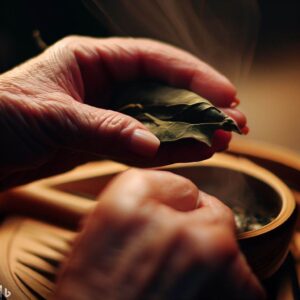
Symbolic and surprisingly rich, tea leaf reading is wonderful for those who enjoy physical ritual. Brew a cup of loose-leaf tea, sip mindfully, and read the remaining leaves. The shapes formed can represent omens, patterns, and spiritual guidance. It is especially suited for personal readings where emotion, flow, and subtle energetic shifts are present.
Oracle Decks
Oracle cards, unlike tarot, are unconstrained by traditional structure and are often themed. From lunar wisdom and deities to animal spirits and affirmations, oracle decks can offer messages that are clear and direct—perfect for a “theme of the year” or “guiding spirit” for the months to come.
Automatic Writing and Bibliomancy
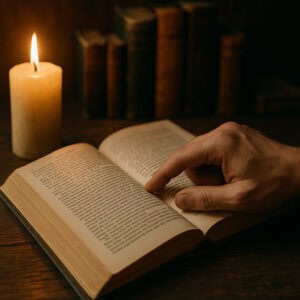
Some witches begin their year by entering a meditative state and allowing words to flow onto a page, uncensored—capturing the whisperings of spirit and self alike. Others turn to bibliomancy, randomly opening a meaningful text and interpreting the first passage they touch. These methods work beautifully in tandem with other tools, serving as validation or final messages.
The key is to choose the method—or combination—that you feel drawn to. This is your divinatory dance with the coming year, and your spiritual tools are your partners.
Creating a Sacred Space for Divination
Before the act of divination begins, the creation of sacred space is essential. This is more than aesthetics—it is a ritual of threshold-making, a declaration to both seen and unseen forces that you are about to engage in meaningful spiritual work. By shaping the environment, you shape the energy. By quieting the world around you, you awaken the inner world.
Physical Preparation
Begin by selecting a clean, quiet area where you won’t be disturbed. This space doesn’t need to be elaborate; even a small table or corner can be transformed into a temple of insight. Lay down a cloth that resonates with the season—perhaps deep blues, starry silver, evergreen green, or candle-gold for Yule and New Year’s energy. Clear away mundane clutter to open the space energetically.
Items to Consider:
- Candles: Use one or more to illuminate your workspace and symbolize inner light guiding you through the unknown. A gold or white candle is traditional for new beginnings.
- Crystals: Clear quartz for clarity, amethyst for spiritual connection, and obsidian for protection are all powerful allies.
- Incense or Smoke: Frankincense, myrrh, cedar, or juniper can be burned to consecrate the space and signal to spirit that you’re ready to receive.
- Bell or Chime: Ring once to open the ritual and once again to close it. The sound marks boundaries and clears stagnant energy.
- Water or Bowl of Snow: As a nod to winter’s power and the season of Yule, include a vessel of water or melted snow. It serves as a reflective medium, a mirror of intuition.
Energetic and Spiritual Preparation
Once your tools are arranged, take a few minutes to center yourself. Sit comfortably. Close your eyes. Breathe deeply. Imagine roots extending from your body into the earth, grounding you. Then visualize a circle of light expanding around you, forming a protective and sacred boundary.
Call in spiritual support if you wish:
- Deities or Guides: Invoke gods, ancestors, or spirit allies aligned with foresight and protection.
- Elemental Forces: Welcome the elements—earth for grounding, air for clarity, fire for inspiration, and water for intuition.
- Seasonal Spirits: Acknowledge the presence of Yule’s turning energies—of endings, beginnings, and the liminal veil between what was and what will be.
You may also anoint your forehead or heart with ritual oil (such as rosemary, bay, or frankincense) to deepen the trance connection. Some practitioners like to recite an invocation or prayer to align themselves fully with their purpose.
Sacralizing Your Tools
Before beginning the reading, bless the tools themselves. Pass your tarot deck, runes, or scrying mirror through incense smoke or over candlelight. Speak to them: “Reveal to me what I am ready to know. Speak with honesty, insight, and grace.”
This intentional setting of sacred space is not just about protection—it’s about transformation. When your external space mirrors your inner stillness, you become a vessel through which wisdom can flow.
Casting a Grand Spread for the Year Ahead
Divination on the twelfth day of Yule is not merely an exercise in foresight—it is a sacred rite of passage. As the old year exhales its final breath and the new one stirs awake, the veil between the known and the possible thins. This is the ideal moment to cast a grand divination spread—a tapestry of symbols laid out not just to predict, but to reveal, empower, and align.
The Purpose of a Yearly Spread
A New Year’s spread is designed to offer an overarching view of the twelve months ahead. It reveals not only potential events or challenges, but also the inner themes, archetypal influences, and hidden lessons that will shape your journey. Unlike daily or weekly readings, this type of spread stretches across the horizon of time, helping you navigate long arcs of transformation, healing, and opportunity.
It is a tool of sovereignty. It does not bind you to fate—it illuminates the path so that you may walk it with awareness.
Choosing a Layout
There is no singular right way to construct a New Year’s spread. Choose a format that resonates with your personal style or magical framework.
Popular Spread Structures:
- Wheel of the Year: One card or rune for each sabbat or seasonal turning point. Ideal for witches who walk the Wheel.
- Zodiac Spread: Twelve cards laid in a circle, each representing a house or month.
- Celtic Cross: A classic layout that provides depth and complexity, with a strong focus on root causes and upcoming shifts.
- Custom Monthly Forecast: Draw one card per month, optionally adding a thirteenth as a theme or spirit guide for the year.
- Spiral Spread: Cards unfurl in a spiral, representing a journey deeper into the self and outward through the year’s events.
You may also use multiple methods together—laying a tarot card alongside a rune or shell for each month, or scrying after the initial draw to deepen the insights.
Sacred Questions to Ask
Before casting your spread, clarify your intention. Consider questions like:
- What energies will define my personal growth this year?
- Where will I be called to change, release, or expand?
- What unseen influences will shape my path?
- What spiritual lessons are ready to unfold?
Hold these questions as you shuffle or prepare your tools. Let them anchor your reading in purpose and truth.
Divination Tools to Use
Your method is yours to choose, guided by tradition, training, or intuition.
- Tarot or Oracle Cards: Offer archetypal imagery and layered storytelling.
- Runes: Provide potent, focused symbols with Norse resonance—particularly meaningful during Yule.
- Scrying Mirrors or Crystal Balls: Bring intuitive imagery and dreamlike impressions.
- Bones, Shells, or Stones: Add elemental texture and ancestral wisdom.
- Automatic Writing or Stichomancy: Let the written word speak through spirit.
The key is to choose tools that you trust—tools that feel alive in your hands and heart.
Ritualizing the Spread
Treat this spread as a ceremony. Light a candle to represent the light of the new year. Ring a bell to open sacred space. Speak aloud a dedication or invocation, such as:
“With this spread, I seek wisdom for the road ahead.
May the year unfold in truth, beauty, and balance.
I open my heart to receive what I am ready to know.”
Lay your cards, runes, or tokens with care. Pause between each draw. Listen deeply.
Interpreting the Symbols: Reading the Cosmic Language
Once the spread is laid before you—cards, runes, or other tokens glimmering in candlelight—the true work begins: interpretation. This stage transforms raw symbolism into story, insight, and actionable wisdom. You become the weaver, drawing threads from the unseen to create a narrative that can guide your year.
Symbolic Language as Sacred Storytelling
Divination symbols speak in a language older than words. They are the visual dreams of the psyche and spirit, echoing through archetype, myth, and metaphor. When a card or rune appears, it does not do so in isolation—it belongs to a larger story unfolding across your spread and your life.
Let your intuition breathe here. Don’t rush to “figure it out.” Instead, receive the symbols like guests arriving with gifts—gifts that may take time to fully unpack.
Reading the Spread Holistically
Each symbol contributes to a layered mosaic of meaning. Consider:
- Placement: Where does this card/rune fall in the timeline? A difficult symbol in the early months may point to a needed initiation or clearing. The same symbol in the later months may signal closure or catharsis.
- Relationships: Do certain cards mirror or echo each other? Are two opposing forces present (like The Tower and The Star, or Raidho and Isa)? These pairs create a rhythm—tension and release, loss and renewal.
- Repetition: Are similar themes appearing in different parts of the spread? For example, multiple symbols of fire might indicate a year of passion, transformation, or creative expansion.
- Contrast: Is there a card or symbol that seems wildly out of place? Sometimes the unexpected shows you what you’re not ready to see—but need to.
Symbol Interpretation Tools
Use the following tools and lenses as you interpret your spread:
- Traditional Meanings: Refer to guidebooks or folklore surrounding the tool you’re using (e.g., Rider-Waite tarot meanings, Futhark rune interpretations, etc.)
- Personal Associations: What does that card, rune, or symbol mean to you personally? Have you pulled it before? What happened then?
- Elemental and Astrological Correspondences: Layer in earth, air, fire, and water—or planetary influences—especially for a spread that spans a whole year.
- Numerology: The numbers on the cards or the count of symbols (like runes cast) can point to deeper meanings about timing or themes.
Example: A Symbol in Context
Suppose you draw The Chariot for the month of March in a Wheel of the Year spread. In isolation, it may suggest movement, ambition, and control. But if it is flanked by The Moon (confusion) in February and The Tower (disruption) in April, it could imply that your ambition may be tested by shadow work and external upheaval. That March may be a crucial moment to hold your course—and not let fear unseat you.
Divination as Conversation, Not Dictation
It’s important to remember that symbols aren’t fate carved in stone. They are whispers, not commands. Their meanings can shift depending on your state of mind, your question, or your openness to hear.
Treat them not as absolute truths, but as invitations to reflection. The meaning may not reveal itself all at once—sometimes it blooms later, just when you need it most.
Inviting Divine and Ancestral Guidance
For many practitioners, divination is not a solitary act but a cooperative one—a shared endeavor between the seeker and the sacred powers they honor. Invoking deities during a New Year’s spread can deepen the insight, protection, and clarity that arise from the reading. The gods become not distant figures, but active participants in the unfolding of your year’s story.
Why Involve Deities in Divination?
Deities are often seen as embodiments of archetypal forces—wisdom, protection, transformation, justice, love, and more. When called upon with respect, they help illuminate the patterns at play in your life, offering perspective that transcends limited human sight. Inviting them into your divination ritual:
- Strengthens your spiritual connection and devotional practice
- Offers guidance aligned with their domains (wisdom, courage, insight, etc.)
- Provides a sense of support and companionship as you face the unknown
- Helps refine your interpretation, nudging you toward what you most need to see
Divination in this way becomes less about “what will happen to me?” and more about “how can I walk this path in alignment with my gods and my highest self?”
Norse Deities for New Year Insight
If you’re working in a Norse-inspired or heathen framework, certain deities are especially well-suited to presiding over a New Year’s spread:
- Odin – The All-Father and Seeker of Wisdom
Odin is the wanderer, the wisdom-seeker who sacrificed much in his quest for knowledge—hanging on the World Tree and gazing into the Well of Urd to gain the runes. Invoking Odin during divination invites deep insight, prophetic clarity, and a willingness to confront uncomfortable truths. He is an ideal patron when you want your spread to show you not just what you hope to see, but what you truly need to know. - Thorr (Thor) – Protector and Bringer of Strength
Thor, with his thunderous might and steadfast protection, brings courage and grounded power to your reading. Calling on him can help shield your work from interference, clear away confusion, and embolden you to face upcoming challenges. Where Odin illuminates hidden knowledge, Thor helps you stand firm in it. - Sif – Lady of Sovereignty, Harvest, and Harmony
Sif’s golden hair and strong connection to earth, home, and family make her an excellent presence in readings focused on relationships, stability, and long-term wellbeing. Invoking Sif can bring clarity to questions about domestic life, community, and what truly nourishes your spirit. Her discerning and harmonious energy can help you interpret your spread with both practicality and grace.
Other Deities You May Call
Even if your practice isn’t predominantly Norse, you might feel called to work with other deities aligned with prophecy, insight, or transitions:
- Hecate – Guardian of crossroads, liminality, and witchcraft. Excellent for New Year thresholds and major life decisions.
- Apollo – Associated with oracles, light, and clarity of vision.
- The Norns or the Fates – Weavers of destiny, custodians of past, present, and future.
- Brigid – Goddess of inspiration, healing, and the sacred flame, especially around Imbolc and early-year energy.
Choose deities with whom you already have a relationship, or who clearly align with the kind of guidance you’re seeking.
Ways to Invite Deities into the Ritual
Inviting deities into your New Year divination does not need to be elaborate, but it should be sincere. You may:
- Place symbols or statues of the deity on your altar
- Offer appropriate offerings (mead, bread, milk, honey, incense, poetry, or acts of service)
- Light a candle dedicated to them, perhaps in a color that corresponds to their energy
- Speak an invocation, for example:
“Odin All-Father, seeker of runes and keeper of deep knowing,
I invite you to stand beside me as I read the threads of the coming year.
Guide my eyes, steady my mind, and help me understand what is shown.”
Or:
“Sif of the golden fields, guardian of home and harmony,
Bless this spread with clarity and balance.
Help me see what will nurture my body, my family, and my spirit in the year ahead.”
After your reading, remember to thank any deities you invoked and formally close the connection.
Letting the Gods Speak Through the Symbols
When deities are invoked, some practitioners find that:
- Certain cards or runes appear more often when a specific deity is present
- The tone of the reading shifts—more direct, more gentle, more challenging, depending on the god or goddess
- Synchronicities and confirmations (like recurring numbers or symbols tied to that deity) show up more frequently
You might even dedicate one position in your New Year spread to a “Message from [Deity Name]” and draw a single card, rune, or symbol specifically in their voice.
In this way, your divination becomes a shared act of co-creation: you, your tools, and your gods all weaving insight together.
Recording and Reflecting: A Living Chronicle
A New Year divination spread is not meant to be a fleeting moment of insight that fades once the candles are snuffed. It is a living document of your unfolding year, a snapshot of potential that becomes more meaningful as time passes. Recording what you receive is an act of devotion to your own growth—it turns your reading from a temporary experience into an ongoing conversation with fate, spirit, and self.
Why Writing It Down Matters
Memory is fluid, especially when emotions run high or the symbols feel intense. Without a record, it’s easy to forget nuances, overlook subtleties, or later reshape the reading in hindsight. By writing things down as they are, you:
- Preserve the raw, unedited truth of your impressions
- Create a reference point to revisit when events begin to unfold
- Track your own intuitive accuracy and growth over time
- Build a personal archive of your spiritual journey, year after year
In this way, your New Year spread becomes not only a forecast, but a mirror of your evolving relationship with your craft.
Ways to Record Your New Year Spread
Choose a method that feels magical and sustainable for you:
- Grimoire or Book of Shadows
Dedicate a page (or several) to your New Year reading. You might sketch the layout of the spread, list each card or symbol and its position, and note your interpretations. Adding colors, sigils, small drawings, or pressed plants can make it feel like a true spell page. - Divination Journal
Keep a separate notebook specifically for tarot, runes, shells, and other forms of divination. Create a section for your yearly spreads so you can compare them year after year. - Digital Journal or Document
For those who prefer typing, a digital document or note-taking app works just as well. You can easily search keywords later, add updates, or even paste images of your spread if you take photos. - Voice Recording
Some practitioners like to speak their impressions aloud and record them. This can capture tone, pauses, and emotional reactions that might not show up on the page.
What to Include in Your Record
To make your record genuinely useful throughout the year, consider including:
- Date and Time: Note when the reading was done, including any relevant astrological or seasonal markers (e.g., “Twelfth Night of Yule, waxing Moon in Pisces”).
- Tools Used: Deck name, rune set, shells, scrying method, or combination.
- Spread Layout: A quick sketch or description of the positions and what they represent.
- Symbols Drawn: Each card, rune, or symbol in its position, written clearly.
- Initial Impressions: Your first thoughts, gut feelings, and emotional reactions—before overthinking sets in.
- Key Themes: Patterns you notice across the spread (e.g., a lot of major arcana, many wands, repeated runes, recurring imagery).
- Messages from Deities or Guides: If you invoked any deities, spirits, or ancestors, note anything that felt like it came specifically from them.
- Questions and Reflections: Write down what you’re unsure about, as well as what feels especially important.
You do not need to interpret every possible angle at once. Sometimes, simply capturing what you see and feel is enough. Deeper meaning will often ripen with time.
Revisiting the Spread Throughout the Year
A powerful way to work with a New Year spread is to revisit it regularly:
- Monthly Check-ins: At the start or end of each month, re-read the part of the spread tied to that time. Compare the symbolism to what has actually been happening in your life. Journal your reflections.
- Seasonal Reflections: At Sabbats or equinoxes/solstices, look at how the seasonal energy and your spread intersect. Has anything unfolded the way you expected? What surprised you?
- Year-End Review: At the close of the year, return to the spread and your notes. What came to pass? What shifted? How did you change in response?
These check-ins transform your reading from a static prophecy into an active tool for self-awareness and course-correction. You may notice that some “challenging” symbols weren’t warnings of doom, but invitations to grow—and that you met them with more strength than you might have believed at the year’s start.
The Spread as Compass, Not Cage
Above all, recording your revelations helps you remember that this spread is guidance, not a prison. By chronicling your journey alongside the reading, you can see where you made choices that altered the tone of a predicted challenge, softened a hard passage, or amplified a blessing.
The written record shows you not only what the year brought, but how you showed up to meet it.
Embracing the Unknown
Every divination spread, no matter how intricate or profound, eventually leads you to the same threshold: the unknown.
We turn to divination not to escape uncertainty, but to walk with it more gracefully. The New Year spread is no exception. It offers glimpses, themes, and potentials—but it does not, and cannot, reveal every twist and turn of the path ahead. Nor should it. Mystery is part of the sacred design.
Fate, Free Will, and the Living Tapestry
The symbols that appear in your New Year spread are threads, not finished garments. They show:
- Potential turning points, but not the exact choices you will make
- Energies in motion, but not always how you’ll respond to them
- Opportunities and challenges, but not your final shape after meeting them
Think of your life as a tapestry in progress. Divination lets you see some of the patterns being woven, but the loom is still in motion. Your free will, your responses, your shadow work, your acts of love and courage—all of these continue to influence the design.
Rather than asking, “Is this my unchangeable fate?” you might instead ask, “How can I meet what comes with wisdom and power?”
Holding Insight Without Clinging
It can be tempting to latch onto specific cards, runes, or images—especially those that suggest love, success, or big positive changes. The same is true in reverse when challenging symbols appear. But clinging tightly to expectation can create anxiety or disappointment.
Instead, try this approach:
- Let each symbol be a signpost, not a sentence.
- Treat difficulties foretold as chances to prepare, not punishments.
- Welcome blessings as invitations, not guarantees to rest on.
You are not meant to live the new year like an actor following a script you’ve already read. You are meant to live it awake—divination helps you stay awake.
Making Space for Surprise and Spirit
Some of the most profound experiences of a year will never show up in any spread: a chance meeting, a sudden insight, a quiet moment that changes everything. Spirit, the gods, and your own deeper self all have more ways to reach you than a single reading can contain.
Embracing the unknown means:
- Leaving room for delight, serendipity, and miracles.
- Trusting that not knowing is sometimes a form of protection or growth.
- Accepting that you may only understand certain symbols in hindsight, when the pattern has had time to reveal itself.
The future doesn’t need to be fully known to be holy. It needs to be met—with presence, courage, and curiosity.
Returning to the Present Moment
After all the cards are read, runes interpreted, shells cast, or visions scryed, you return to the most important place: now.
Your power lives here—in the choices you make today, the habits you nourish, the boundaries you hold, the love you offer, the healing you claim. The New Year spread is a lantern, but you are the one who must walk the road it lights.
Take what you’ve learned, but don’t live in the reading. Live in your life.
Conclusion
A New Year divination spread is more than a ritual curiosity; it is an act of deep engagement with your own becoming. From choosing your method and preparing sacred space, to laying a grand spread, interpreting its symbols, inviting deity guidance, and recording each revelation—you are weaving together magic, intention, and self-knowledge.
These practices remind you that:
- The year ahead is not a fixed script, but a living tapestry.
- The symbols that arise are not iron laws, but whispers, signposts, and invitations.
- You are not a passive recipient of fate, but a participant in the great weaving of your life.
As you close your ritual—candles guttering low, tools resting, journal pages inked—sit for a moment in stillness. Feel the weight and lightness of what you’ve seen. Acknowledge any fears. Honor your hopes. Thank the tools, guides, and deities who walked with you in this work.
Then, when you are ready, step forward.
Step into the new year not as someone who “knows exactly what will happen,” but as someone who has listened, who has prepared, and who chooses to walk ahead with open eyes and an open heart.
The tapestry of the year has yet to be fully woven—
but now, you carry a clearer sense of its colors and threads.
And with that insight, you are better equipped to meet whatever comes:
with courage, with wisdom, and with the quiet, enduring magic of a soul who dares to look into the unknown and say,
“I am ready.”