Introduction
The Norse Goddess of Love, Magic, and Renewal during Winter’s Sacred Season
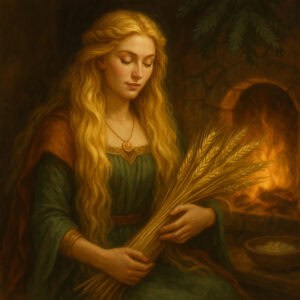
As the wheel of the year turns to Yule, the season’s magic invokes the presence of Freyja, a luminous figure in the Norse pantheon. Revered as the goddess of love, beauty, fertility, and seidr (Norse magic), Freyja’s essence is deeply intertwined with the celestial and earthly rhythms of this sacred time. Her multifaceted nature beckons practitioners to embrace love, transformation, and the eternal cycle of life, death, and rebirth. This article explores Freyja’s role during Yule, her mythology, and the ways her energy guides us through winter’s chill toward the promise of spring.

Who is Freyja?
Freyja, whose name translates to “Lady,” is one of the most revered and multifaceted deities in Norse mythology. As a member of the Vanir, a tribe of gods associated with fertility, nature, and prosperity, and later aligned with the Aesir, the gods of war and order, Freyja embodies a harmonious blend of seemingly contrasting realms. Her influence spans fertility, love, beauty, magic, war, and death, making her a central figure in the Norse cosmology.
Freyja’s duality defines her: she is the goddess of love and sensuality, radiating a captivating allure, yet she also holds dominion over death and the battlefield, claiming half of the fallen warriors to reside in her hall, Fólkvangr. This juxtaposition of life and death positions her as a goddess of transformation, guiding mortals through the cycles of existence.
During Yule, Freyja’s essence becomes particularly poignant. As the darkest nights of the year give way to the returning light, her presence symbolizes renewal, introspection, and the promise of new beginnings. Her warmth counters the winter’s chill, and her magic inspires seekers to explore the mysteries of the unseen and embrace the transitions in their lives.
Epithets and Titles
Freyja’s many titles reflect the diverse aspects of her nature and her expansive influence across the Norse pantheon:
- Seidkona (Magic Woman): Freyja is the master of seidr, a Norse magical tradition that involves divination, shape-shifting, and altering fate. Her title as the “magic woman” highlights her role as a guide for those seeking wisdom and transformation through mystical means.
- Vanadís (Lady of the Vanir): This title honors her lineage as a goddess of the Vanir, emphasizing her connection to fertility, abundance, and the natural world.
- Gefn (Giver): As a bestower of prosperity, fertility, and abundance, this title reflects her nurturing and generous nature. Freyja’s gifts often extend beyond material wealth to include spiritual growth and emotional fulfillment.
- Mardöll (Sea Bright): This epithet evokes her luminous and enchanting qualities, likening her to the shimmering light on the sea, a beacon of beauty and guidance.
These titles collectively capture the complexity and depth of Freyja’s character, portraying her as a goddess who embodies both the material and mystical realms.
Iconography
Freyja’s depictions in art and mythology highlight her divine beauty, strength, and magical prowess, each detail steeped in symbolic meaning:
- Brísingamen Necklace: Freyja is rarely seen without her iconic necklace, Brísingamen, a masterpiece crafted by dwarves and symbolizing beauty, wealth, and divine power. It represents her allure and her connection to the cycles of life and transformation.
- Chariot Drawn by Cats: Freyja’s chariot, pulled by two majestic cats, reflects her independence, grace, and connection to the animal kingdom. Cats, revered for their mystery and elegance, mirror Freyja’s own qualities and her association with seidr magic.
- Hildisvíni, the Boar: Freyja is also depicted riding a golden boar named Hildisvíni, which represents fertility, strength, and courage. The boar is a sacred animal in Norse mythology, often tied to abundance and protection.
- The Moon and Stars: Freyja’s imagery often includes celestial elements, such as the moon and stars, emphasizing her role as a guide through the darkness, both literal and metaphorical.
Freyja’s iconography captures her multifaceted nature: she is sensual yet fierce, nurturing yet unyielding, embodying the balance of contrasts that define her role in Norse mythology.
Freyja’s character, epithets, and symbols reveal her as a goddess who transcends boundaries. She bridges the realms of life and death, love and war, magic and the mundane, making her a beacon of inspiration during Yule and throughout the cycles of the year.
Mythological Background
Freyja’s rich mythology reveals her as a goddess of transformation, passion, and wisdom, making her an essential figure during Yule, a season that celebrates cycles of renewal and introspection. Her stories highlight her diverse domains and the lessons she imparts to those who honor her.
- Seidr and Divination
Freyja is credited with teaching the Aesir the magical practice of seidr, a form of Norse magic that involves divination, shape-shifting, and influencing fate. As the mistress of seidr, Freyja wields the ability to weave the threads of destiny, providing guidance and clarity to those who seek her wisdom. During Yule, when the veil between worlds is thin and introspection deepens, practitioners turn to Freyja’s energy for divination and magical work, seeking insight into the coming year and their spiritual path. - The Brísingamen Necklace
Freyja’s pursuit of the Brísingamen necklace, crafted by dwarves, is one of her most well-known myths. In exchange for the necklace, Freyja made sacrifices, demonstrating her willingness to pursue beauty, power, and transformation. The story reflects her role as a goddess of desire, determination, and the interplay between sacrifice and reward. During Yule, this tale resonates with themes of setting intentions and working toward meaningful goals, even when challenges arise. - Chooser of the Fallen
Freyja’s role as the chooser of the fallen underscores her connection to the afterlife and the cycles of existence. Half of the warriors slain in battle are guided by Freyja to her hall, Fólkvangr, where they find rest, honor, and renewal. This dual role—goddess of love and guardian of the dead—reflects the balance of life and death central to her mythology. During Yule, her guardianship aligns with the season’s focus on remembrance, offering comfort to those who honor the memories of loved ones and the cyclical nature of existence.
Relationships
Freyja’s relationships within the Norse pantheon illuminate her multifaceted nature and the interconnected themes she embodies:
- Freyja and Freyr
Freyja and her twin brother, Freyr, represent complementary forces in Norse mythology. Freyr, a god of fertility, agriculture, and sunlight, balances Freyja’s domains of love, beauty, and magic. Together, they symbolize the harmony between the natural world’s abundance and the emotional and spiritual depths of human experience. During Yule, this sibling dynamic underscores the interplay of light and dark, winter and spring. - Odr
Freyja’s husband, Odr, is a mysterious figure often described as a wanderer. His absence drives Freyja to search for him, shedding tears of gold in her longing. This tale of loss and yearning reflects Freyja’s deep emotional capacity and the transformative power of love and grief. During Yule, her relationship with Odr serves as a reminder to honor emotions, even those of longing and sadness, as part of the cyclical nature of life. - Cats and Boar
Freyja’s chariot, pulled by two majestic cats, reflects her grace, independence, and connection to magic. Cats were revered in Norse culture for their elegance and mystical qualities, making them fitting companions for Freyja. Her boar, Hildisvíni, symbolizes fertility, strength, and abundance, aligning with the Yule season’s themes of transformation and renewal. Together, these animals embody Freyja’s ability to balance tenderness and power.
Role in Mythology
Freyja holds a pivotal role in Norse cosmology, acting as a bridge between realms and forces. Her domains span love, war, magic, and the afterlife, reflecting the interconnectedness of existence. She embodies both the light of passion and the shadow of grief, the magic of transformation and the steadiness of nature’s cycles.
During Yule, Freyja’s influence becomes particularly significant. The darkest nights of the year invite her guidance in navigating the transition from darkness to light, introspection to renewal, and stasis to growth. Her presence reminds mortals of the beauty and power inherent in life’s transformations and encourages them to embrace the coming year with courage, intention, and an open heart.
Symbols and Associations
Freyja’s profound symbolism reflects her multifaceted role as a goddess of love, magic, fertility, and war. These sacred symbols, colors, elements, and offerings provide a framework for connecting with her energy, especially during Yule, when her influence is most strongly felt.
Sacred Symbols
- Brísingamen Necklace:
This exquisite necklace, forged by dwarves, is one of Freyja’s most iconic attributes. As a symbol of beauty, power, and the divine feminine, Brísingamen reflects Freyja’s captivating allure and her ability to command respect and admiration. The story of how she obtained the necklace emphasizes her willingness to embrace her desires and make sacrifices for her goals, embodying the themes of determination and empowerment. Practitioners may incorporate imagery of the Brísingamen into rituals to invoke Freyja’s confidence, charm, and magnetic energy. - Cats:
Freyja’s chariot, drawn by two majestic cats, symbolizes her connection to independence, grace, and mystical guidance. Cats, revered for their enigmatic and self-assured nature, mirror Freyja’s own qualities. These feline companions also highlight her association with the domestic and magical realms, blending comfort with mystery. For modern practitioners, cats may serve as spiritual familiars or symbols of Freyja’s wisdom and protection. - The Boar:
Freyja’s boar, Hildisvíni, represents fertility, resilience, and abundance, connecting her to the cycles of nature and the life force that sustains all beings. The boar’s strength and endurance reflect Freyja’s protective qualities, making it a powerful symbol during Yule, a season of renewal and preparation for growth. Offerings and rituals invoking Hildisvíni’s energy can help practitioners strengthen their resolve and cultivate abundance in their lives. - The Moon:
Freyja’s deep connection to the moon aligns her with intuition, magic, and the rhythms of life. The moon’s phases mirror her transformative nature, offering guidance for spiritual and emotional cycles. During Yule, the moon’s energy serves as a reminder of the continuous balance between light and darkness, growth and rest. Incorporating lunar imagery into rituals or meditations can help practitioners connect to Freyja’s wisdom and seidr magic.
Colors and Elements
- Colors:
Freyja’s colors capture the essence of her energy and domains:- Gold symbolizes her radiant beauty, wealth, and status as a goddess of prosperity and abundance. Gold also reflects the solar energy associated with Yule’s promise of returning light.
- Red represents her passion, vitality, and sensuality, aligning with her role as a goddess of love and desire. Red candles or fabrics may be used in rituals to invoke Freyja’s fiery and transformative qualities.
- Silver reflects her mystical connection to the moon and magic, emphasizing her intuitive and ethereal nature. Silver is often used to represent her guidance in divination and spiritual work.
- Elements:
- Water represents Freyja’s association with fertility, emotion, and intuition, highlighting her ability to nurture growth and transformation. Water also symbolizes the fluidity and adaptability that define her character.
- Fire reflects her passionate and transformative energy, embodying the warmth and illumination she brings to even the darkest moments of life. Fire rituals in her honor celebrate her power to inspire change and ignite creativity.
Offerings and Rituals
Offerings and rituals are central to honoring Freyja, especially during Yule, when her themes of renewal, love, and magic resonate deeply. These acts of devotion allow practitioners to forge a personal connection with the goddess, inviting her blessings and guidance.
- Offerings to Freyja:
- Honey and Mead: Symbolizing sweetness, celebration, and connection, honey and mead are traditional offerings that align with Freyja’s love of beauty and pleasure. These can be left on altars or shared in communal feasts as part of Yule celebrations.
- Flowers or Amber: Fresh flowers reflect Freyja’s beauty and connection to nature, while amber, often referred to as “Freya’s tears,” is a potent symbol of her love and resilience. Amber jewelry or stones can be placed on altars to honor her.
- Personal Creations: Freyja, as a patroness of artistry and creativity, appreciates offerings of poems, handcrafted jewelry, or other creative works. These personal gestures demonstrate dedication and allow practitioners to channel her energy into acts of creation.
- Ritual Practices:
- Lighting Candles: Use gold, red, or silver candles to invoke Freyja’s energy. As the candles burn, focus on intentions related to love, renewal, or transformation.
- Divination: Incorporate tools like runes or scrying bowls to seek Freyja’s guidance during the reflective energy of Yule. Invoke her presence to gain clarity and insight into the year ahead.
- Feasting and Celebration: Share food and drink in her honor, creating a joyous atmosphere that celebrates life and connection, both key aspects of Freyja’s domain.
Through her symbols, colors, elements, and rituals, Freyja’s energy becomes accessible to those who seek her presence during Yule. These practices foster a profound connection to her divine wisdom, nurturing the love, magic, and renewal she brings to the season and beyond.
Worship and Devotion
Freyja has been revered for centuries as a goddess of fertility, love, beauty, magic, and war, her influence resonating deeply during the transformative season of Yule. Her worship, both in historical and modern contexts, emphasizes her connection to the cycles of nature, the rhythms of life, and the magic inherent in the world.
Historical Practices
In ancient Norse societies, Freyja was one of the most venerated deities, her influence touching many aspects of daily and spiritual life. Her worship often centered around the changing seasons, particularly at key times of transformation like midwinter, where her roles as a goddess of fertility, love, and foresight were celebrated.
- Midwinter Celebrations:
During Yule, a time of introspection and renewal, Freyja’s presence was honored through feasts, offerings, and rituals. These gatherings reflected her connection to abundance and the cycles of the natural world. Communities would share mead, bread, and seasonal delicacies as offerings to invite her blessings for the year ahead. - Fertility Rites:
As a goddess of fertility, Freyja’s worship included rituals to ensure bountiful harvests and prosperity for families and communities. During Yule, the darkest time of the year, these rites also carried a symbolic weight, emphasizing the renewal and rebirth that follows winter’s dormancy. - Divination and Seidr:
Freyja’s mastery of seidr, the ancient Norse magical practice of divination and fate-weaving, was central to her worship. During Yule, when the veil between worlds was thought to be thin, practitioners sought her guidance through divination, interpreting omens or using runes to glimpse the threads of the coming year.
Modern Practices
In contemporary pagan and Heathen traditions, Freyja remains a beloved figure whose energy resonates strongly during Yule. Her modern worship adapts historical practices while retaining their core themes of renewal, transformation, and connection to the natural and mystical realms.
- Altars to Freyja:
Practitioners often create altars adorned with symbols that reflect Freyja’s domains. Common elements include:- Gold, red, or silver candles to invoke her radiant energy.
- Amber and flowers, representing her beauty and connection to nature.
- Symbols of cats or the Brísingamen necklace, honoring her power and allure.
These altars serve as focal points for rituals, meditation, and offerings, allowing practitioners to invite Freyja’s presence into their homes and spiritual lives.
- Divination:
Yule’s introspective energy aligns perfectly with Freyja’s role as a goddess of magic and foresight. Practitioners often use runes, tarot, or scrying bowls to seek her guidance for the coming year. Freyja’s energy helps illuminate paths forward, offering clarity and strength during times of transition. - Seasonal Feasts:
Sharing a feast in Freyja’s honor is a joyful and communal way to celebrate her influence during Yule. Foods like honeyed mead, spiced cakes, and rich breads symbolize her connection to abundance and celebration. These feasts are often paired with offerings placed on altars or in natural spaces to express gratitude for her blessings. - Meditation and Reflection:
Practitioners often dedicate time during Yule to meditation on Freyja’s themes of love, transformation, and resilience. This practice allows them to align with her energy, embracing her lessons of courage and adaptability as they prepare for the year ahead. Visualizing her chariot drawn by cats or the luminous Brísingamen necklace can enhance this connection. - Creative Devotion:
As a goddess of beauty and artistry, Freyja inspires creative expressions of devotion. Practitioners might write poems, craft jewelry, or engage in other artistic endeavors to honor her and invite her presence into their lives.
By blending historical traditions with modern adaptations, Freyja’s worship during Yule becomes a powerful celebration of love, magic, and renewal. Her presence encourages practitioners to embrace the transformative energy of the season, connect with their inner strength, and celebrate the cycles of life with grace and intention.
Attributes and Lessons
Freyja is a deity of profound complexity, her attributes reflecting a harmonious balance of contrasting forces—passion and wisdom, love and war, life and death. Her lessons resonate deeply during Yule, a season of reflection, transformation, and renewal, offering guidance for navigating the cycles of existence.
Character Traits
Freyja’s character is defined by her passion, independence, and wisdom, making her one of the most dynamic and relatable deities in Norse mythology.
- Passion: Freyja embodies the fiery intensity of emotion and desire, not just in the romantic sense but in the pursuit of all things meaningful. Her passion drives her to seek beauty, love, and magic in the world, inspiring mortals to embrace their own desires and live with boldness and authenticity.
- Independence: Freyja’s self-assured nature reflects her fierce independence. She navigates the realms of gods, mortals, and the mystical with confidence, teaching practitioners the value of autonomy and self-reliance. Her chariot, drawn by cats—symbols of grace and independence—reinforces this aspect of her character.
- Wisdom: As the mistress of seidr, Freyja possesses deep wisdom about the cycles of life and the mysteries of existence. Her ability to embrace both joy and sorrow demonstrates her understanding of life’s dualities and her role as a guide through transformation and growth.
Freyja’s strength lies in her ability to balance these traits, showing that passion can coexist with wisdom, and independence can flourish alongside connection.
Lessons and Themes
Freyja’s mythology is rich with lessons that remain relevant in both spiritual and everyday contexts. Her themes offer guidance for navigating the challenges and blessings of life.
- Resilience in Transformation:
Freyja’s stories often revolve around themes of change and renewal, making her a powerful guide for those facing life’s challenges. She teaches that transformation, though often difficult, is a necessary part of growth. During Yule, her energy encourages practitioners to let go of what no longer serves them and embrace the possibilities of renewal and rebirth, just as winter gives way to spring. - Celebration of Love:
Freyja’s domain extends beyond romantic love to include self-love, platonic love, and universal connection. She encourages the celebration of all forms of affection and reminds us that love is a force that sustains and empowers. Her energy inspires practitioners to nurture relationships, cultivate compassion, and honor the love they hold for themselves and others. - The Balance of Light and Dark:
As a goddess connected to both the joys of life and the mysteries of death, Freyja embodies the balance of light and dark, a theme that resonates deeply during Yule. Her presence reminds practitioners that life’s cycles—birth, death, and renewal—are natural and interconnected. By embracing this balance, we can find peace in transitions and honor the beauty in both beginnings and endings.
Relevance Today
Freyja’s timeless qualities make her a source of inspiration for modern practitioners navigating the complexities of contemporary life. Her presence encourages individuals to:
- Honor Their Passions: Freyja inspires practitioners to pursue their desires and passions unapologetically, embracing the things that bring joy, meaning, and fulfillment.
- Connect with Life’s Transitions: Her energy aligns with the natural rhythms of change, offering guidance for navigating life’s challenges and opportunities. Whether facing personal transformation, grief, or renewal, Freyja provides strength and wisdom to move forward with courage.
- Embrace Inner Beauty and Power: Freyja’s radiant beauty is not merely physical but a reflection of her inner strength and confidence. She teaches practitioners to recognize their own worth, celebrate their unique qualities, and find empowerment in self-expression and creativity.
Freyja’s attributes and lessons offer profound insights into the human experience. As a goddess who thrives in the balance of contrasts, she reminds us to embrace all aspects of life—its beauty, its challenges, and its endless potential for growth. During Yule, her presence is a guiding light, inviting practitioners to reflect on their journeys, honor their passions, and step into the new year with resilience and grace.
Magical and Spiritual Work
Freyja’s energy is a wellspring of inspiration for magical and spiritual practices, particularly during Yule. Her domains of love, magic, beauty, and transformation make her an ideal guide for rituals and spells that embrace the season’s themes of reflection, renewal, and connection. By invoking her presence, practitioners can align with her empowering and transformative energy.
Rituals and Spells
Freyja’s multifaceted nature lends itself to a wide range of magical workings, each drawing on her wisdom and power.
- Love Spells:
Freyja, as a goddess of love and beauty, is a powerful ally in spells designed to foster harmony, attraction, and affection. These spells can focus on romantic relationships, self-love, or nurturing bonds with friends and family. To invoke Freyja’s energy:- Light a red or pink candle on your altar.
- Place symbols of love, such as roses, quartz, or Brísingamen-inspired jewelry, near the flame.
- Recite an invocation to Freyja, asking for her guidance in cultivating love and harmony.
- Meditate on your intentions, visualizing them manifesting with Freyja’s blessings.
- Divination:
Freyja’s mastery of seidr, the Norse magical art of divination, makes her an ideal guide for seeking insight during the reflective energy of Yule. To engage in divination:- Use runes, tarot cards, or a scrying bowl as tools for exploring the year ahead.
- Before beginning, light a gold or silver candle to honor Freyja and invite her guidance.
- Set your intention, focusing on the clarity and wisdom you seek.
- Interpret the symbols or messages that arise, trusting Freyja’s influence to illuminate your path.
- Crafting Offerings:
As a patroness of artistry and beauty, Freyja appreciates creative expressions as offerings. Jewelry, poetry, and other crafted items not only honor her but also allow practitioners to channel her creative energy. Ideas include:- Creating amber jewelry, symbolizing her divine radiance.
- Writing a poem or song dedicated to her qualities of love and transformation.
- Crafting small decorative items, such as floral wreaths, to place on her altar.
These offerings strengthen the practitioner’s connection to Freyja and celebrate her domains of creativity and devotion.
Altar and Sacred Space
An altar dedicated to Freyja serves as a focal point for magical work, meditation, and offerings, embodying her energy and presence in the practitioner’s sacred space. Thoughtfully arranged, it becomes a place of warmth, beauty, and divine connection.
- Key Elements for a Freyja Altar:
- Golden or Red Candles: Represent her passion, beauty, and radiant energy.
- Amber Stones: Often referred to as “Freya’s tears,” amber symbolizes her resilience, connection to the natural world, and divine femininity.
- Images of Cats: Reflecting her grace, independence, and mystical guidance, representations of her feline chariot companions enhance the altar’s energy.
- Floral Offerings: Fresh flowers, such as roses or wild blooms, honor her connection to love, nature, and the cycles of life.
- Seasonal Additions for Yule:
- Incorporate pine boughs, mistletoe, or holly, aligning the altar with the season’s energy of renewal and transformation.
- Add symbols of the moon, such as crescent shapes or silver accents, to honor her connection to magic and intuition.
- Place a small dish of honey or mead, symbolizing sweetness and celebration, as an offering to invite her blessings.
An altar for Freyja creates a tangible link to her presence, offering practitioners a space to meditate, perform rituals, and nurture their relationship with this radiant and transformative goddess. Whether focusing on love, creativity, or personal growth, these practices bring Freyja’s empowering energy into the heart of spiritual work.
Conclusion
Freyja, with her radiant beauty, mystical wisdom, and unyielding strength, shines as a guiding light during Yule. Her energy invites us to embrace the magic of love, the courage to transform, and the promise of renewal. As the darkest days of winter yield to the lengthening light, Freyja’s presence reminds us of the cyclical rhythms of existence and the power we hold to navigate them with grace and passion. By honoring her during Yule, we connect to the profound mysteries she embodies and the hope she brings to the ever-turning wheel of the year.