Introduction
Golden Guardian of Peace, Family, and the Fertile Earth
In the vast and storied landscape of Norse mythology, where gods of thunder, death, and cunning stride boldly across the sagas, Sif rises in gentler radiance—a goddess whose strength lies not in storm winds or battle cries, but in the quiet, unwavering power of harmony. She is the golden calm after thunder, the fertile earth after rain, the warmth of a hearth that holds a family together through winter’s darkest nights. Her presence is a reminder that the cosmos is not sustained by might alone, but also by the patient weaving of peace, loyalty, and domestic stability.
As the Wheel of Yule turns toward its final night, the energy of the season gathers around themes of closure, unity, and renewal. While Thor’s rumbling protection clears away harmful influences, it is Sif who restores balance within the home—binding together what may have frayed, blessing the bonds that will carry families into the new year, and nurturing the subtle roots of love and cooperation. Her wisdom is not loud, but it is profound: that relationships, like fields of wheat, flourish under regular tending, honest effort, and the gentle persistence of care.
In honoring Sif during Yule, we pause to appreciate the often-unseen work of holding families together, resolving tensions, and guiding loved ones with firm yet compassionate hands. Her golden hair—symbolic of ripened grain—reminds us that abundance is the result of patience, toil, and devotion. Her presence during the twelfth night is a beacon of frith, the sacred peace that ensures a home is not simply a shelter but a sanctuary.
As we turn toward her, we welcome not only her blessings, but also the lessons she imparts: to speak truth with kindness, to mend what is strained, to value the bonds forged through loyalty and love, and to honor the sacred work of nurturing harmony in all its forms.

Who Is Sif?
Sif is one of the most quietly powerful goddesses of the Norse pantheon—a radiant figure whose domain encompasses the earth’s golden bounty, the harmony of households, and the sacred bonds that hold families and communities together. Her presence is woven into the everyday rhythms of life: the growing of crops, the structure of marriage, the nurturing of children, and the delicate dance of kinship. She is the living embodiment of frith, that precious Norse concept of peace, stability, and communal cohesion.
Though not as tempestuous as Thor, nor as elusive as Loki, Sif’s influence is steady and unmistakable. She is the goddess people turned to not for grand miracles, but for the blessings that truly made survival possible—good harvests, strong marriages, loyal kin, and a household free from strife. Through her, we see that the quiet forces of life are often its most essential.
Origins and Lineage
The Eddas describe Sif as a goddess of the Æsir, though her ancestry is somewhat mysterious—she seems to stand between worlds, connected both to the sky gods and to the earth itself. As the wife of Thor, she occupies a unique position: a bridge between storm and soil, between thunder and crop. Their union reflects the sacred marriage of sky and earth that brings fertility to the land and prosperity to the people.
She is also said to have children from earlier relationships, including the enigmatic Ullr, a god of archery and winter travel. Through this lineage, she embodies themes of blended families, resilient bonds, and the layered nature of kinship.
Iconography and Appearance
Sif is most famously known for her golden hair—long, luminous, and shimmering like fields of ripe wheat. This hair is not merely decorative; it is her divine essence. It represents the land’s abundance, the cycles of growth, and the blessing of a harvest that sustains a community through winter. It is this hair that Loki once cut in a moment of mischief, prompting the dwarves to fashion a new, magical golden crown of living strands—symbolizing renewal, resilience, and the restoration of harmony after disorder.
Though ancient sources offer only brief physical descriptions, artistic and modern interpretations often portray Sif as:
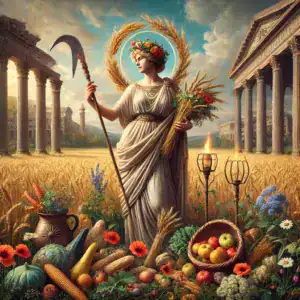
- A stately, warm-eyed woman with cascading golden hair
- Draped in garments the color of fertile earth or ripened grain
- Holding a sheaf of wheat, a spindle, or a bowl of grain—symbols of nourishment
- Sometimes standing beside Thor, embodying balance between might and gentleness
In poetry, Sif is credited with “grace,” “good counsel,” and “quiet wisdom,” making her a cherished figure among families seeking stability and unity.
Goddess of Harmony, Family, and the Hearth
Above all, Sif is a goddess of relationships—how they are tended, nurtured, restored, and strengthened. She presides over:
- Marriage vows and the sanctity of oaths
- Domestic harmony and the well-being of the household
- Fertility of both land and lineage
- Social peace, mediation, and the settling of disputes
Her soft-spoken influence reminds us that true strength often lies not in the clash of weapons, but in the steady, devoted weaving of trust and connection—a task as vital now as it was in the Viking Age.
Mythological Background
Sif’s presence in Norse mythology may appear understated at first glance, yet her stories reveal layers of meaning that illuminate the roles of harmony, restoration, and the sanctity of community bonds. Her myths are fewer than those of gods like Odin or Loki, but each one carries immense symbolic weight. Like the golden fields she represents, her tales unfold with quiet importance—rooted in subtlety, resilience, and the power of peace.
The Cutting of Sif’s Hair: A Myth of Disharmony and Renewal
The most famous myth involving Sif begins with mischief and violation. One night, Loki crept upon the sleeping goddess and cut off her magnificent golden hair. The text offers no reason—only the sting of cruelty and the profound insult delivered to Sif, Thor, and the sanctity of their household. Her hair, symbolic of the harvest and prosperity, lay in shorn heaps. Chaos had invaded the sphere of domestic peace.
Thor’s fury was immediate, for the disgrace affected not only Sif but the dignity of their marriage bond and the wellbeing of the community. His wrath drove Loki to seek restitution from the dwarves, master smiths of the Nine Realms. From their forges came a miraculous replacement: hair spun from real gold, threads alive with magic that rooted themselves into Sif’s scalp and grew as living wheat.
This myth is more than a tale of trickery. It reflects:
- The fragility of harmony, and how easily it can be disturbed
- The necessity of amends, for Loki’s restitution restores cosmic and social balance
- The resilience of the harvest, reborn even stronger after devastation
- The enduring strength of relationships, returned to equilibrium through accountability
In this story, Sif becomes a symbol of renewal—not through force or vengeance, but through the quiet power of restoration.
Sif as Earth Goddess and Lady of the Grain
While not extensively detailed in surviving sources, Sif’s association with wheat and fertile soil is a recurring thread. Her golden hair is a poetic metaphor for ripened fields, swaying in the wind beneath the summer sun. Though we lack a rich catalogue of myths about Sif as an earth deity, the imagery is unmistakable: she represents the cultivated land, the prosperity of the household, and the cycles of growth that sustain communities.
In this role, she echoes other Indo-European grain goddesses—Demeter, Ceres, and Eostre—though she remains wholly and uniquely Norse in her quiet dignity and firm, practical strength.
Sif, Family, and the Bonds That Shape the Gods
Sif’s mythic role extends beyond fields and harvests; she also embodies the precious concept of frith—peace, stability, and the kin-bonds that protect a community. Her marriage to Thor represents more than romantic union. It is the sacred joining of:
- Sky and Earth
- Storm and Soil
- Force and Prosperity
Their relationship is a mythic foundation upon which the Norse cosmos depends: without storm, the land would not flourish; without fertile earth, the storm would have nothing to nourish.
Through motherhood—especially her connection to Ullr—Sif also carries the role of stewardess of the family line, expanding her mythic influence into blended families, inherited responsibilities, and complicated kinship webs that reflect the complexity of human life.
Sif at Yule: Final Guardian of the Hearth
Though not tied to a specific Yule myth in the surviving lore, modern Norse revival practices often honor Sif on the twelfth night of Yule alongside Thor. As Yule celebrations close and energies shift from festivity to the quiet beginning of the new year, Sif becomes a stabilizing force. She helps settle the household’s spiritual energy after the season’s revelry, smoothing tensions and restoring peace—the essential foundation for the coming year.
Tonight’s rituals—such as “chasing out the Yule spirits”—are particularly aligned with her. As stray energies depart and the home is cleansed, Sif blesses the threshold with familial harmony and fertile potential, ensuring that the new year begins with strong bonds and unshakable frith.
Symbols and Associations
Sif’s symbols reflect her deep connection to the earth, the harvest, and the bonds that tie families and communities together. Though she is not a goddess of flashy displays or dramatic mythic feats, her iconography is potent, meaningful, and woven into the quiet but essential rhythms of life. Each symbol associated with her speaks to resilience, nourishment, harmony, and the subtle strength required to maintain peace within the home and the heart.
The Golden Wheat and the Harvest Fields
Sif’s most enduring symbol is her golden hair, described as shining like wheat ripened under the summer sun. This image binds her inseparably to:
- grain and agriculture,
- the prosperity of the land,
- cycles of growth and reaping, and
- the nourishment that sustains communities.
In this form, she becomes the embodiment of the earth’s bounty. Modern practitioners often associate her with wheat sheaves, barley, oats, and late-summer harvest imagery. These symbols also tie her directly to stability and abundance—forces she protects within both the natural world and the household.
The Hearth and Home
Unlike Thor, whose domain stretches across storms and the wider cosmos, Sif’s strength is rooted in the home. Symbols of domestic space—particularly the hearth—are deeply connected to her. The hearth represents:
- warmth and nourishment
- unity among kin
- safety and shared responsibility
- the rituals that maintain community peace
Because Sif is a keeper of frith, the hearth becomes her sacred center: the place where family gathers, reconciles, celebrates, and builds the foundation of lasting harmony.
Golden Rings and Oath-Symbols
As a matron of marriage, oaths, and social bonds, Sif is aligned with symbols representing commitment and trust. Rings, woven cords, and braided hair all reflect her influence over human relationships. These symbols speak to her ability to:
- weave fractured bonds back together
- strengthen marriages
- bless promises made between individuals or families
- uphold the importance of integrity and responsibility
Her guidance often comes through these symbols in divination or ritual work, reminding practitioners that relationships require tending, patience, and mutual respect.
Colors and Correspondences
Sif’s colors are warm, earthy, and life-bearing—reflective of both the fields she blesses and the hearth she guards. Her palette includes:
- gold, representing wheat, prosperity, and warmth
- brown, symbolizing fertile earth and steadfastness
- green, echoing growth, renewal, and harmony
These colors are not merely aesthetic; they invoke her calm, grounding presence during rituals and celebrations, especially during Yuletide when the earth sleeps and preparation for renewal begins.
Elemental Powers: Earth and Fire
Sif is strongly aligned with the element of Earth, representing:
- roots and stability
- nourishment and growth
- the practical wisdom of daily life
- the cycles that govern families and fields
Yet she also carries a subtle connection to Fire, particularly hearth fire. This fire is not destructive; it is warming, protective, and cleansing. Her fire is the flame that keeps peace alive within a household, guiding families through dark winters and turbulent times.
Runic Associations
While not explicitly tied to any rune in historical sources, modern practitioners often associate her with runes that reflect her attributes. Common associations include:
- Jera (ᛃ): the harvest cycle, reward for effort, and natural order
- Berkano (ᛒ): motherhood, nurturing, and growth
- Ehwaz (ᛖ): partnership, marriage, and cooperative bonds
These runes highlight her role as a stabilizing force and a guardian of relational harmony.
Worship and Devotion
Though Sif does not possess the thunderous myths or vast cultic presence of gods like Thor or Odin, her influence was deeply felt in everyday life—especially in matters of family, land, and community cohesion. The Norse honored her not through grand temples or blood rites, but through daily acts of care, the tending of home and hearth, and the cultivation of peace within their circles. As a goddess of agriculture, fertility, and social harmony, she was revered in both subtle rituals and practical devotion.
Historical Practices: Reverence Rooted in Daily Life
Evidence of a formal cult dedicated specifically to Sif is limited, as is common with goddesses tied to household and agricultural domains. Instead, her worship was woven into the rhythm of domestic and communal life. Ancient practices likely included:
- Offerings of grain, bread, or beer, placed near the hearth or in the fields before harvest.
- Prayers for bountiful crops, given during sowing and reaping seasons, often invoking her golden hair as a symbol of ripened grain.
- Blessings of marriages and families, calling upon Sif to strengthen bonds and preserve frith (harmonious peace).
- Invocations before important oaths, as Sif was a quiet guardian of trust and integrity.
Because her domain includes fertility—not only of the land but of family lines—Sif may also have been honored during births, women’s rites, and the weaving or crafting of household items.
Though no monumental shrines to Sif remain, her numinous presence lived in the fields, the kitchens, the hearth-fires, and the shared bread of every community.
Yuletide Devotion: Calling Harmony Back into the Home
During Yule—especially on the final night in some traditions—Sif is honored for her role in:
- renewing the bonds of family,
- banishing lingering disharmony, and
- preparing the home for a peaceful year ahead.
When paired with Thor during the ritual of “Chasing the Yule Out,” Sif becomes the one who restores calm and order after the storms, blessing the household with:
- unity,
- warmth,
- understanding, and
- the strength to navigate the coming year together.
Her presence during Yule marks the shift from celebration into thoughtful renewal.
Modern Practices: Honoring Sif in Hearth and Heart
Contemporary Heathens, Norse pagans, and witches honor Sif in ways that echo her ancient attributes yet fit the needs of modern life. Devotional practices often include:
• Offerings of Grain and Bread
Homemade loaves, wheat bundles, oats, or barley placed upon an altar or shared with family in her honor.
• Hearth-Based Rituals
Lighting a candle at the dinner table, blessing the kitchen, or preparing a meal with intention—acts that blend the sacred and domestic.
• Family Blessings and Conflict Resolution
Petitioning Sif for assistance in smoothing tensions, resolving disputes, or strengthening marriage bonds.
• Acts of Service
Doing something kind for a partner, child, or family member as a devotional act—Sif’s worship is deeply tied to caring for one’s community.
• Rituals of Peace and Frith-Weaving
Using braided cords, ribbons, or wheat stalks to symbolize unity and commitment within one’s household.
• Celebratory Offerings During Yule
Placing golden candles, wheat sheaves, or bowls of honey and warm bread upon her altar to honor her role in closing the Yuletide season.
Creating an Altar for Sif
A devotional space dedicated to Sif is often simple, warm, and earthy. Common elements include:
- Golden or amber candles
- Wheat sheaves, barley, or corn dollies
- A small bowl of flour or bread
- Symbols of the hearth (a lantern, a fireplace tile, a small cauldron)
- Braided cord or plaited wheat to honor her flowing golden hair
This altar becomes a space of reconciliation, nourishment, and renewal—reflecting Sif’s nurturing stability and her power to weave harmony into the lives of those who honor her.
Attributes and Lessons
Sif is a goddess of quiet strength, steadfast devotion, and the subtle yet profound magic of connection. Her gifts are not loud or forceful—they emerge like ripening grain, gradually, gently, and with enduring impact. As the golden-hearted matron of family, fidelity, and social harmony, she carries lessons that reach into the heart of daily life, guiding those who seek her with compassion and clarity.
Character Traits
Sif’s nature is rooted in balance, resilience, and grace. She is deeply connected to the cycles of the earth, embodying the way life requires nurturing, patience, and continual tending. Her traits include:
- Nurturing Strength – She supports, steadies, and uplifts those within her care, offering the kind of strength that sustains rather than dominates.
- Mediator’s Wisdom – Sif understands the complexities of human relationships and serves as a gentle but firm guide through conflict and misunderstanding.
- Loyal Devotion – As Thor’s consort, she symbolizes constancy and shared responsibility, standing beside him as equal partner and stabilizing force.
- Quiet Authority – Though soft-spoken in myth, she is not passive. Her authority comes from presence, patience, and cultivated wisdom.
Through these traits, Sif teaches a powerful truth: that gentleness does not diminish strength, and that harmony is an active, disciplined art.
Lessons and Themes
Sif’s mythology offers rich guidance for those seeking peace, unity, and balance in their lives. Her lessons arise from the rhythms of the home, the land, and the bonds that tie people together:
• Harmony Must Be Cultivated, Not Assumed
Like a field that must be tended, relationships require continual care, honest communication, and conscious effort.
• Gentleness Has Power
Sif’s grace is not weakness; it is a strength that allows her to navigate emotional landscapes with clarity and compassion.
• Community Is Sacred
To Sif, family and community form the foundation of a stable and meaningful life. Keeping frith—peace and good social order—is a sacred responsibility.
• Restoration and Renewal Are Possible
Just as her hair—symbol of the grain—was regrown and restored, Sif embodies the promise that damage can be repaired and bonds can be healed with honesty and effort.
• Stand Firm When Needed
Though often peaceful, Sif also teaches that boundaries are essential. Harmony is not the absence of conflict, but the willingness to resolve it ethically and respectfully.
Relevance Today
In the complexities of modern life—where families take many forms, and stress fractures communities easily—Sif’s wisdom is profoundly needed. She invites us to:
- Strengthen the relationships that nourish our hearts
- Seek peaceful resolution instead of division
- Walk gently but with purpose
- Honor commitments, partnerships, and promises
- Tend our homes and communities with patience and love
For anyone seeking emotional balance, stronger family bonds, or a deeper sense of belonging, Sif remains a steadfast guide. Her presence encourages the weaving of a peaceful life—thread by thread, deed by deed, with intention and care.
Magical and Spiritual Work
Working with Sif invites a magic that is grounded, restorative, and relational. Her energy is not the tempestuous force of storms or the fiery blaze of passion—it is the quiet power that mends fractures, strengthens bonds, and nurtures growth within the soul and household. Practitioners who seek her favor often come to her for healing rifts, fostering unity, strengthening partnerships, and cultivating peace within themselves and their communities.
Rituals and Spells
• Hearth-Blessing Rituals
As a goddess of family and the sacred home, Sif’s blessings are often invoked through rituals centered around the hearth. Lighting a candle, baking bread, or preparing a shared meal in her honor invites her presence and reinforces familial peace.
• Unity and Reconciliation Magic
Sif is frequently called upon in spells designed to mend misunderstandings, restore trust, or soften hardened emotions. Such rituals may involve weaving two ribbons together, knot-magic intended to bind harmony, or anointing household objects with herb-infused oils symbolizing peace.
• Fertility and Growth Work
Due to her connection with wheat and the land, practitioners may perform garden rituals, plant seeds in her honor, or create bundles of grain to encourage growth—both literal and symbolic. This work extends to creative projects, new relationships, or personal development.
• Oath-Blessing and Commitment Spells
As a guardian of marriage bonds and social oaths, Sif is invoked to bless promises of loyalty or new commitments. Couples may call on her during unions or anniversaries, using gold thread or wheat stalks as symbolic offerings.
Divination and Communication
Sif’s guidance tends to come softly, through emotional clarity, dreams, or sudden insight during moments of stillness. Practitioners may connect with her through:
- Tea divination with calming herbs such as chamomile or oatstraw
- Oracle work centered on themes of family, healing, or home
- Dream mediation, asking her to send insight or reveal paths toward peace
- Intuitive journaling, using her symbols—wheat, gold, hair, or the hearth—as focal points
Unlike more forceful deities, Sif’s messages rarely arrive as thunderous revelations. Instead, they are quiet truths rising like dawn light, asking to be acknowledged and acted upon with care.
Altar and Sacred Space
An altar for Sif should feel warm, grounded, and welcoming—reflective of her healing presence and her connection to family and the earth. Items often included are:
- Wheat stalks or small sheaves of grain, symbolic of nourishment and unity
- A golden or amber candle, representing her gentle radiance
- A bowl of bread, honey, or oats, offerings tied to the land and home
- Symbols of family, such as photographs, heirlooms, or crafted tokens
- A piece of gold ribbon or braided cord, echoing her golden hair and themes of unity
Fresh flowers, especially golden or white varieties, can be offered to honor her beauty and benevolence. Keeping this altar tidy and harmonious is itself an act of devotion, reflecting the order and peace she embodies.
Safety, Respect, and Ethical Considerations
Approaching Sif requires sincerity, maturity, and a genuine willingness to do the inner work that harmony demands. Though she is gentle, she is not a goddess of easy answers. Her presence encourages clarity, accountability, and the steady tending of relationships—the emotional equivalent of maintaining a thriving field. She does not tolerate manipulation, false reconciliation, or attempts to force unity through magical coercion.
Honoring Her Values
Sif’s domains—family, peace, loyalty, and the land—are sacred threads that she expects to be treated with respect. When working with her:
- Be honest in your intentions.
Sif values authenticity; deception or façade work runs counter to her nature. - Respect the autonomy of others.
Magic performed in Sif’s name should never override another person’s agency. - Seek harmony, not control.
She supports communication, reconciliation, and mutual understanding—not domination or emotional bypassing. - Maintain your commitments.
As a goddess tied to oaths and bonds, she expects follow-through on promises made in her presence.
Ethical Use of Her Energy
Because she is a deity of frith (sacred peace and stability), practitioners must be mindful that invoking her carries responsibility. Her blessings are potent, but they should be used ethically:
- Do not use her energy to conceal problems.
True harmony is not superficial polish—it is rooted in honesty, effort, and compassion. - Avoid invoking her in moments of anger or chaos.
Sif’s magic works best when approached with a calm heart and a willingness to listen. - Be prepared for the truth.
While she is nurturing, she may reveal uncomfortable realities within relationships that must be addressed.
Cultural Respect
Sif belongs to the living legacy of Norse spiritual tradition. Approaching her with humility means:
- Recognizing the cultural weight of frith and kinship bonds
- Studying Norse customs and ethical frameworks (such as honor, duty, and reciprocity)
- Avoiding modern romanticization that strips her of her complexity
Respecting her cultural roots ensures that her lessons remain intact—not softened, flattened, or distorted.
A Goddess Who Expects Effort
Sif’s magic is relational by nature. Casting a spell, lighting a candle, or making an offering is only part of the work. She asks for follow-through:
- Honest communication
- Rebuilding trust
- Maintaining boundaries
- Cultivating stability
- Acting with kindness
To approach Sif is to agree to participate actively in the weaving of harmony—not simply request that she do it for you.
Conclusion
Sif stands as one of the quiet yet essential heartbeats of the Norse pantheon—radiant, grounded, and endlessly patient in her guardianship of family, community, and the fertile earth. While gods of thunder, war, and prophecy shake the heavens, Sif works in the intimate spaces: the home, the shared table, the conversations that mend rifts, the fields that feed communities, and the bonds that keep people woven together. Her gifts are subtle, but their impact is profound. She teaches that harmony is not something stumbled upon, but something continuously tended—like wheat that must be planted, watered, and harvested with care.
During Yule, when households seek warmth, unity, and protection from lingering spirits of the dark season, Sif’s presence becomes even more vital. Her blessings move through hearth and home, urging us to honor the ties that sustain us. She reminds us that peace is an active choice; that relationships require honest effort; and that every person has a role in the well-being of their community.
To walk with Sif is to embrace the sacred craft of connection. It means speaking truths with compassion, protecting the vulnerable, honoring commitments, and cultivating environments where love and stability can flourish. Whether invoked in family gatherings, moments of reconciliation, or the rituals that close out the Yule season, Sif offers not only her steady guidance but a model for living with intention and integrity.
In her golden presence, we remember that harmony is a legacy we pass from one generation to the next—an inheritance of peace that, like fertile grain, must be planted anew each year. May Sif’s enduring wisdom inspire us to nurture the bonds we hold dear and to weave our lives with patience, understanding, and steadfast devotion.