Introduction
Nourishing the Spirit of Imbolc
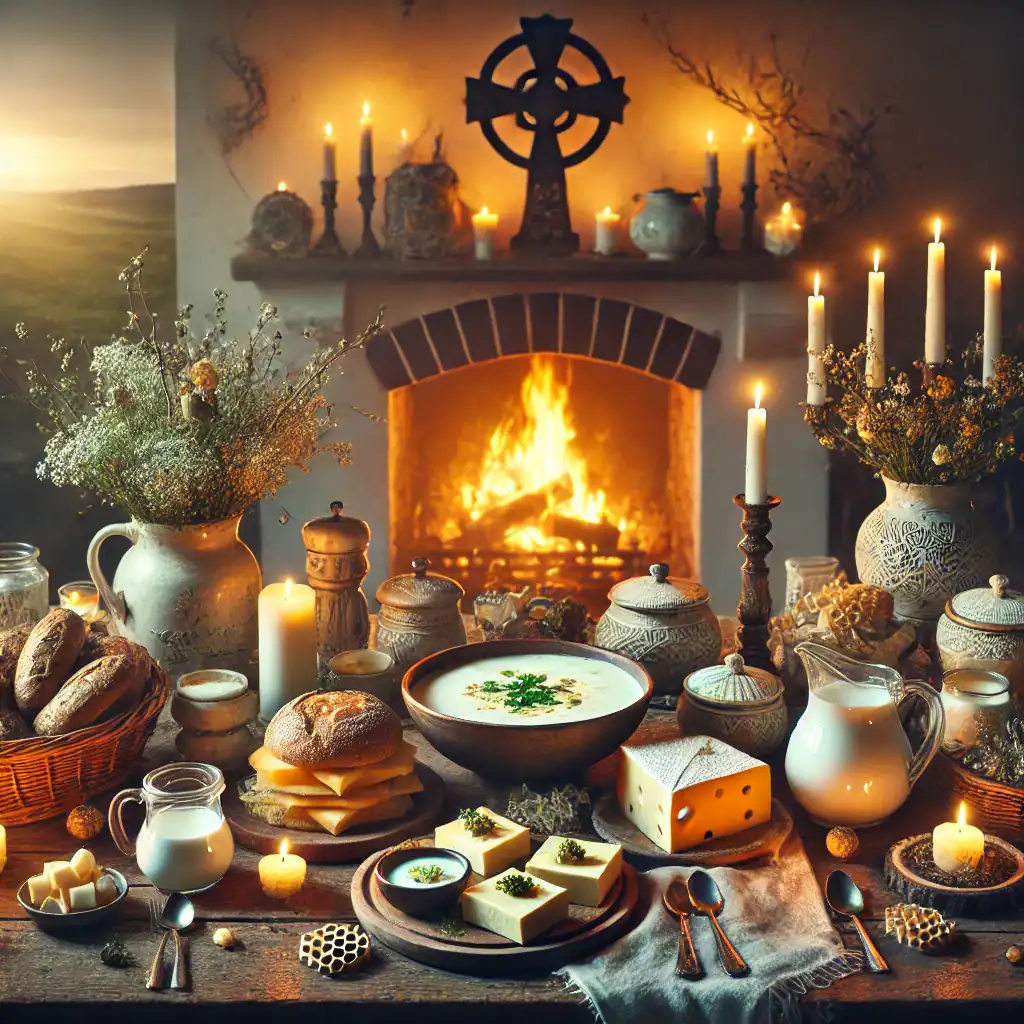
Imbolc, celebrated at the threshold of winter’s end and spring’s awakening, is a festival of light, renewal, and burgeoning life. Central to this sacred time is the Feast of Milk, a culinary and spiritual celebration that honors the lactating ewes whose nourishment heralds the arrival of lambs and the fertility of the land. Rooted in ancient agrarian traditions and the veneration of the goddess Brigid, the Feast of Milk transforms humble dairy ingredients into sacred offerings that connect us to the primal rhythms of nature and the promise of abundance.

The Significance of Milk at Imbolc
Milk, a universal symbol of sustenance and life, takes on profound meaning during Imbolc. The festival marks the first stirrings of spring, when the earth begins to awaken and the promise of new life emerges. The appearance of lambs and the lactation of ewes are seen as tangible signs of fertility, making dairy products a natural focus for Imbolc feasts.
In honoring milk, cheese, butter, and cream, participants pay homage to the life-giving energy that sustains both humans and the land. These foods, rich and nourishing, embody the goddess Brigid’s attributes as a deity of fertility, healing, and creative inspiration. Brigid, often depicted as a nurturing figure associated with hearth and home, presides over this sacred feast, her blessings flowing through each dish prepared and shared.
The Culinary Traditions of the Feast
The Feast of Milk is a time to celebrate not only the gifts of the season but also the art of transforming raw ingredients into something greater. From simple dairy staples to elaborate creations, every dish on the Imbolc table reflects the themes of nourishment, creativity, and renewal.
Key Ingredients and Symbolism
- Milk: The essence of life and fertility, symbolizing purity and potential.
- Butter: A product of transformation and hard work, representing abundance and richness.
- Cheese: A symbol of preservation and skill, embodying the balance of creation and sustenance.
- Cream: Luxurious and decadent, reflecting the promise of a fruitful spring.
Dairy as a Spiritual Offering
At Imbolc, preparing and consuming dairy-based dishes is more than just culinary enjoyment—it is an act of devotion and a way to align oneself with the cyclical rhythms of the earth. By crafting meals with intention, participants infuse their food with gratitude and respect for the interconnectedness of all life. Each bite becomes a sacred act, a moment to honor the land, the goddess, and the gifts of the season.
A Feast of 12 Courses: The Culinary Journey of Imbolc
The Feast of Milk often unfolds as a multi-course meal, with each dish symbolizing a different aspect of fertility, sustenance, and renewal. This structure provides an opportunity to create a deeply immersive and meaningful experience, with every course offering a new layer of connection to Imbolc’s themes.
- Amuse-Bouche: A small dairy-based bite, such as a cheese puff or a dollop of flavored cream, to awaken the senses and set the tone for the meal.
- Soup: A warm, comforting course like potato-leek soup, representing the nurturing qualities of the season.
- Appetizer: A savory tart, such as a quiche or cheese tart, showcasing the richness of dairy and its role in grounding and sustaining.
- Salad: A yogurt-based salad, a refreshing course to cleanse the palate, connecting to the healthful and healing properties of dairy.
- Seafood: Milk-poached fish or protein, a course that represents the seamless blend of earth’s gifts, honoring sustenance in its many forms.
- Main Dish: Dairy-infused pasta or grain dish, such as creamy risottos or pastas, bringing warmth and comfort, reflecting the hearth’s central role in winter survival.
- Palate Cleanser: Milk-braised vegetables, a humble yet luxurious offering that connects to the land’s fertility and the promise of renewal.
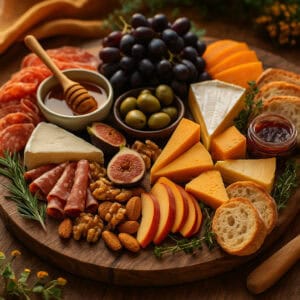
- Cheese: A cheese board featuring a selection of cheeses paired with seasonal fruits and nuts, symbolizing preservation and the balance of flavors in life.
- Dessert: Rich cream-based puddings, custards, or cheesecakes that evoke the decadence and abundance promised by the coming spring.
- Mignardise: A cheese and honey pairing, a nod to fertility and sweetness, symbolizing balance and prosperity.
- Fruit: Seasonal fruits served alongside or incorporated into desserts, representing renewal and the earth’s gifts.
- Digestif: A warm milk beverage, such as spiced milk or honey-laced cream, to conclude the feast with comfort and blessings.
Each course provides an opportunity to meditate on the gifts of the season and the sacred nature of nourishment.
A full 12 course Feast of Milk for Imbolc
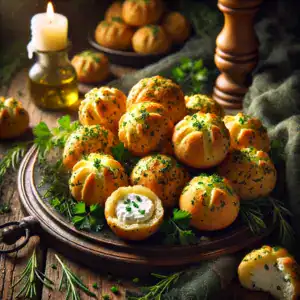
Amuse-Bouche: Herbed Goat Cheese Puffs
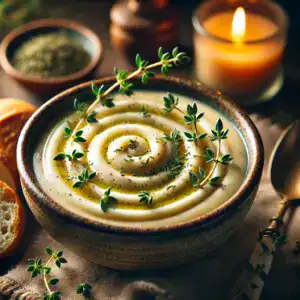
Soup: Creamy Potato-Leek Soup
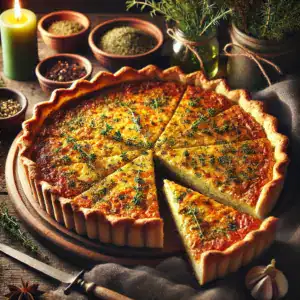
Appetizer: Savory Cheese and Herb Tart
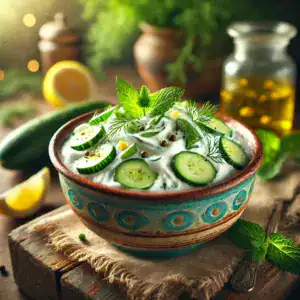
Salad: Yogurt and Cucumber Salad
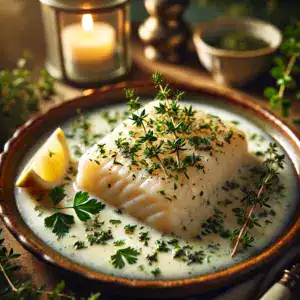
Seafood: Milk-Poached Cod with Fresh Herbs
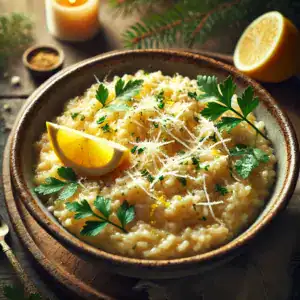
Main Dish: Creamy Lemon-Parmesan Risotto
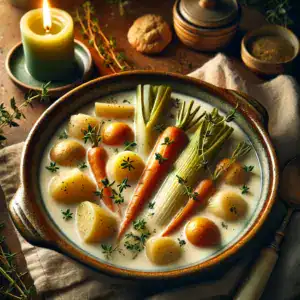
Palate Cleanser: Milk-Braised Winter Vegetables
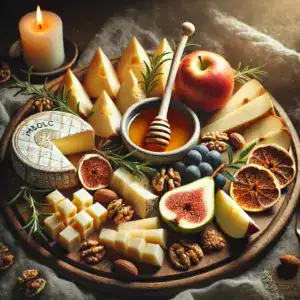
Cheese Course: Imbolc Cheese Board with Seasonal Fruits and Nuts
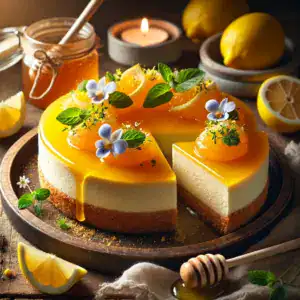
Dessert Course: Vanilla-Honey Cheesecake with Lemon Curd
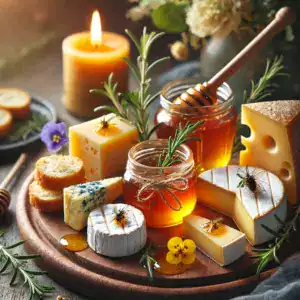
Mignardise: Cheese and Honey Pairing
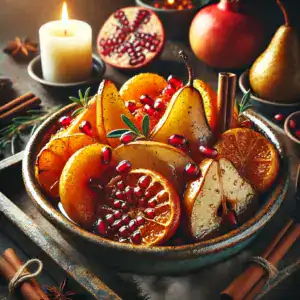
Fruit Course: Honey-Glazed Winter Fruit Medley
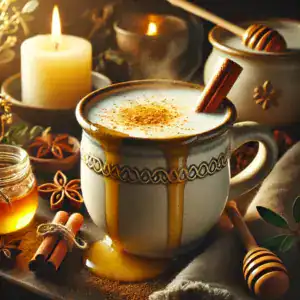
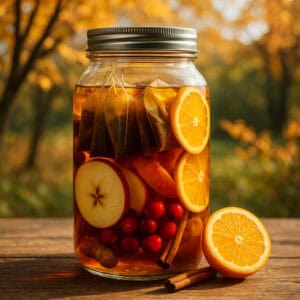
Digestif: Spiced Honey Milk
The Spirit of the Feast: Connecting to Brigid and the Earth
The Feast of Milk is more than a culinary event—it is a spiritual journey that connects participants to the energy of Imbolc and the blessings of the goddess Brigid. As dishes are prepared and shared, they become offerings to Brigid, invoking her guidance and inspiration. The hearth, central to Brigid’s worship, becomes a focal point during the feast, representing the fire of life and transformation.
This celebration also emphasizes our interconnectedness with the earth. By honoring the ewes whose milk sustains the newborn lambs and symbolically nurtures the land, participants reaffirm their relationship with nature and their role as stewards of its cycles.
Closing Reflections: Savoring the Gifts of the Season
The Feast of Milk, in its rich flavors and symbolic depth, captures the essence of Imbolc—a time of transition, hope, and renewal. Through the act of preparing and sharing dairy-based dishes, we celebrate the fertility of the land, the nurturing power of Brigid, and the interconnected web of life that sustains us all. This feast is not merely a meal but a sacred ritual, a moment to pause, reflect, and align with the rhythms of the earth as it prepares for the flourishing days of spring.
As you partake in this culinary celebration, let each bite remind you of the abundance that lies ahead and the beauty of the cycles that guide and nourish us. Blessed be and may the spirit of Imbolc fill your table and your heart.