Introduction
The Unsung Heroine of Lughnasadh
Lughnasadh, also known as Lammas, is a vibrant festival that marks the beginning of the harvest season. Celebrated on August 1st in the Northern Hemisphere, it is a time for giving thanks for the bounty of the earth and the fruits of labor. While the festival is named after the Celtic god Lugh, an equally significant yet often overlooked figure associated with this Sabbat is Tailtiu, Lugh’s foster mother. Tailtiu’s story is one of immense sacrifice, dedication, and a profound connection to the land, making her an essential figure to honor during Lughnasadh.

The Legend of Tailtiu
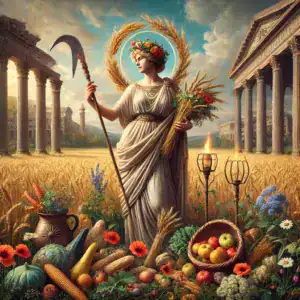
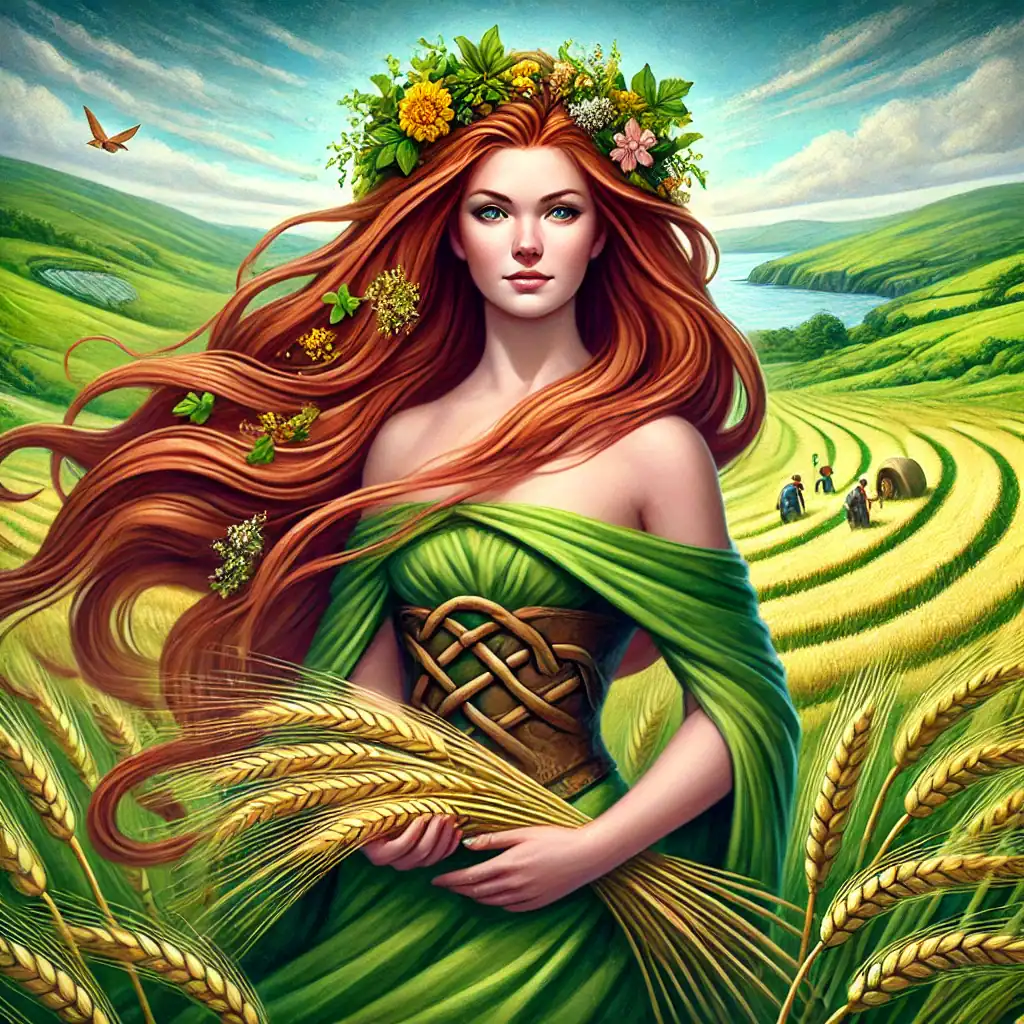
Tailtiu was a queen and the daughter of the King of Spain, who became the wife of Eochaid mac Eirc, the last Fir Bolg High King of Ireland. She is most renowned for her extraordinary efforts in transforming the Irish landscape to make it arable and fit for agriculture. According to legend, Tailtiu undertook the monumental task of clearing the plains of Ireland for farming. She toiled day and night, uprooting forests and removing stones, to create fertile fields that would provide sustenance for the people of Ireland.
Her efforts were not without a heavy cost. Tailtiu worked herself to exhaustion, and ultimately, her immense labor led to her death. As she lay dying, she requested that a festival be held in her honor, celebrating the fruits of her labor and the beginning of the harvest season. To commemorate her immense contribution and sacrifice, her foster son, Lugh, established the festival of Lughnasadh. The site of Tailtiu’s monumental effort is believed to be the town of Teltown (Tailtin) in County Meath, Ireland, where ancient games and fairs were held in her memory.
Tailtiu’s Significance in Lughnasadh
Tailtiu’s story embodies the spirit of Lughnasadh. Her dedication to cultivating the land symbolizes the hard work and preparation required for a successful harvest. By honoring Tailtiu, we acknowledge the interconnectedness between human effort and the natural world, recognizing that our sustenance comes from both our labor and the earth’s bounty.
Sacrifice and Dedication: Tailtiu’s Legacy
Tailtiu’s story is a poignant reminder of the sacrifices and dedication that underpin the foundation of human civilization. Her monumental effort in transforming the wild Irish landscape into fertile agricultural land is emblematic of the tireless work and commitment necessary to cultivate and sustain life. By clearing the plains and making the land arable, Tailtiu ensured the survival and prosperity of her people, even at the cost of her own life.
The Essence of Sacrifice
Personal Sacrifice for the Greater Good: Tailtiu’s willingness to give her life for the benefit of her community underscores the profound impact of personal sacrifice for the collective well-being. Her story reminds us that the achievements and comforts we enjoy today are often built on the hard work and sacrifices of those who came before us. Her actions epitomize selflessness, showing that true dedication often requires putting the needs of others above our own.
Symbol of Perseverance: Tailtiu’s relentless labor, despite the toll it took on her body, exemplifies the virtues of perseverance and determination. Her story encourages us to persist in the face of challenges and to recognize that meaningful accomplishments often demand sustained effort and resilience. Tailtiu’s dedication is a testament to the enduring human spirit and the willingness to endure hardships to achieve a greater goal.
Ancestral Legacy
Honoring Our Ancestors: By remembering and honoring Tailtiu, we also pay homage to all the ancestors whose sacrifices have paved the way for our current existence. Each generation builds upon the efforts of the previous ones, and acknowledging this lineage of dedication fosters a deep sense of gratitude and respect. Celebrating Tailtiu during Lughnasadh connects us to this ancestral legacy, reminding us that we are part of a continuum of human endeavor and resilience.
Cultural Heritage: Tailtiu’s story is an integral part of Celtic mythology and cultural heritage. By commemorating her during Lughnasadh, we preserve and pass down important cultural narratives that shape our understanding of identity, community, and our relationship with the natural world. Her tale reinforces the values of hard work, sacrifice, and communal responsibility, which are cornerstones of many cultural traditions.
Modern-Day Reflections
Dedication in Everyday Life: Tailtiu’s example can inspire us to approach our own lives with a similar sense of dedication and commitment. Whether it’s in our professional endeavors, personal relationships, or community service, embodying Tailtiu’s spirit of hard work and selflessness can lead to more meaningful and fulfilling experiences. Her story challenges us to consider how we can contribute to the greater good and make sacrifices for the benefit of others.
Environmental Stewardship: Tailtiu’s deep connection to the land and her efforts to make it fertile for agriculture highlight the importance of environmental stewardship. In modern times, her story serves as a call to action to protect and preserve the natural world. Just as Tailtiu transformed the landscape for the benefit of her people, we are reminded of our responsibility to care for the environment and ensure its health and vitality for future generations.
Community and Solidarity: Tailtiu’s dedication to her people fosters a sense of community and solidarity. Her actions remind us of the importance of coming together to achieve common goals and support one another. During Lughnasadh, as we celebrate the fruits of collective labor, Tailtiu’s legacy encourages us to strengthen our communal bonds and work collaboratively for the well-being of all.
Fertility and Abundance: Tailtiu’s Contribution to the Harvest
Tailtiu’s story is not only one of sacrifice and dedication but also a powerful testament to the themes of fertility and abundance. Her herculean efforts in transforming the wild Irish landscape into fertile, arable land played a crucial role in ensuring the prosperity and sustenance of her people. By honoring Tailtiu during Lughnasadh, we celebrate the land’s capacity to provide for us and express our deep gratitude for the harvest and the cyclical bounty of nature.
Transforming the Land
Agricultural Prowess: Tailtiu’s labor involved the monumental task of clearing the plains, removing stones, and preparing the earth for cultivation. This act symbolizes the transformation from barrenness to fertility, turning the wild and untamed land into a source of sustenance and life. Her work underscores the intimate connection between human effort and the natural world’s responsiveness, highlighting the symbiotic relationship between people and the land they cultivate.
Catalyst for Growth: By making the land fertile, Tailtiu laid the foundation for agricultural success, ensuring that her people could grow crops, raise livestock, and thrive. Her efforts are a reminder of the importance of maintaining and nurturing the land to support ongoing cycles of growth and harvest. This act of transformation is celebrated during Lughnasadh, acknowledging the vital role that fertile land plays in sustaining human life.
Celebrating the Harvest
Gratitude for Abundance: Lughnasadh, as a harvest festival, is a time to celebrate the abundance of the season and give thanks for the bountiful gifts of the earth. Honoring Tailtiu during this festival allows us to express our gratitude for the harvest, recognizing that the food on our tables is a result of both human toil and the land’s generosity. Tailtiu’s story serves as a poignant reminder of the interconnectedness between human effort and natural abundance.
Seasonal Cycles: Tailtiu’s contribution to agriculture underscores the cyclical nature of the seasons and the continuous process of planting, growing, and harvesting. Celebrating her during Lughnasadh aligns with the natural rhythms of the earth, acknowledging the cycles of life, death, and rebirth that are essential to agricultural success. This celebration helps us attune to these cycles and appreciate the ever-renewing gifts of the earth.
Symbolism of Fertility
Fertility as a Lifeforce: Tailtiu’s efforts are emblematic of fertility, not just in the agricultural sense, but as a vital force that sustains all life. Fertility represents the ability of the earth to regenerate, grow, and provide for its inhabitants. By honoring Tailtiu, we celebrate this vital lifeforce and acknowledge the importance of maintaining a harmonious relationship with the earth to ensure its continued fertility.
Cultural Significance: The theme of fertility is deeply embedded in many cultural and spiritual traditions. Tailtiu’s story, with its focus on transforming the land, resonates with universal themes of birth, growth, and sustenance. Celebrating her during Lughnasadh connects us to these broader cultural narratives and reinforces the importance of honoring the forces that enable life to flourish.
Contemporary Reflections
Sustainable Practices: Tailtiu’s dedication to making the land fertile reminds us of the importance of sustainable agricultural practices. In modern times, this story encourages us to adopt methods that protect and enhance the fertility of the soil, ensuring that future generations can continue to benefit from the earth’s abundance. Sustainable farming practices, crop rotation, and soil conservation are ways we can honor Tailtiu’s legacy.
Gratitude and Mindfulness: Celebrating Tailtiu during Lughnasadh encourages us to cultivate a sense of gratitude and mindfulness in our relationship with food and the land. Recognizing the effort and resources required to bring food to our tables fosters a deeper appreciation for the earth’s gifts and encourages us to make mindful choices that support the environment and local communities.
Community and Sharing: The abundance celebrated during Lughnasadh is also a reminder of the importance of community and sharing. Tailtiu’s story, with its emphasis on providing for her people, inspires us to share the fruits of our labor with others and to support those in need. This spirit of generosity and community is central to the celebration of Lughnasadh and reflects the values that Tailtiu’s legacy embodies.
Connection to the Land: Tailtiu’s Legacy of Harmony with Nature
Tailtiu’s intimate relationship with the land is a cornerstone of her story, illustrating the profound connection between humans and the natural world. Her dedication to transforming the wild plains of Ireland into fertile agricultural land underscores the importance of living in harmony with nature. This connection to the land is not just a historical or mythical concept; it is a timeless reminder of the need to respect and care for the earth, recognizing that our well-being is intrinsically linked to the health of the environment.
Living in Harmony with Nature
Symbiotic Relationship: Tailtiu’s story emphasizes the symbiotic relationship between humans and the land. Her efforts in clearing the plains and preparing them for agriculture were not acts of domination but of cooperation with nature. She worked with the land’s natural rhythms and resources to create a sustainable environment for her people. This harmonious interaction highlights the importance of understanding and respecting the natural processes that sustain life.
Sustainable Practices: The tale of Tailtiu inspires us to adopt sustainable practices in our interactions with the environment. Just as she dedicated herself to making the land fertile, we can commit to sustainable farming, conservation, and eco-friendly practices that protect and nurture the earth. This means embracing methods that minimize harm, promote biodiversity, and ensure the long-term health of our ecosystems.
Cultural Reverence: Many cultures around the world have traditions that honor the earth and its cycles, similar to the way Tailtiu is celebrated during Lughnasadh. These traditions teach us the value of living in harmony with nature, respecting its power, and acknowledging our dependence on its bounty. By incorporating these principles into our lives, we can foster a deeper connection to the land and ensure its preservation for future generations.
Respecting and Caring for the Earth
Environmental Stewardship: Tailtiu’s legacy calls us to be stewards of the earth. This involves taking responsibility for the impact of our actions on the environment and making conscious choices to reduce our ecological footprint. Simple actions such as recycling, conserving water, reducing waste, and supporting sustainable products can have a significant positive impact on the health of the planet.
Community Involvement: Caring for the earth is a communal effort. Tailtiu’s story encourages us to come together as communities to protect and nurture our local environments. This can include participating in community clean-up projects, tree planting initiatives, and conservation efforts. By working together, we can create a more sustainable and harmonious relationship with nature.
Educational Outreach: Educating others about the importance of environmental stewardship is another way to honor Tailtiu’s legacy. Sharing knowledge about sustainable practices, the benefits of biodiversity, and the impact of human activities on the environment can inspire more people to take action. This collective awareness and effort are crucial for fostering a culture of respect and care for the earth.
Intrinsic Link to Well-Being
Health of the Environment: Tailtiu’s story reminds us that our well-being is intrinsically linked to the health of the environment. Clean air, water, and fertile soil are essential for our survival and quality of life. Protecting these resources is not just about preserving nature; it is about safeguarding our own health and future. Environmental degradation, pollution, and climate change have direct impacts on human health, making it imperative to prioritize the well-being of the planet.
Mental and Emotional Connection: Our connection to nature also has significant mental and emotional benefits. Studies have shown that spending time in nature can reduce stress, improve mood, and enhance overall well-being. By nurturing our connection to the land, as Tailtiu did, we can improve our mental and emotional health, finding peace and balance in the natural world.
Cultural and Spiritual Fulfillment: For many, the connection to the land is also a source of cultural and spiritual fulfillment. Tailtiu’s story and the celebration of Lughnasadh offer a way to connect with cultural heritage and spiritual traditions that honor the earth. This sense of belonging and purpose can enrich our lives, providing a deeper understanding of our place in the world and our responsibility to protect it.
Modern-Day Reflections
Reconnecting with Nature: In today’s fast-paced, technology-driven world, Tailtiu’s story encourages us to reconnect with nature. Whether through gardening, hiking, or simply spending time outdoors, finding ways to immerse ourselves in the natural world can restore our sense of harmony and balance. This reconnection can also inspire us to take more active roles in environmental conservation and advocacy.
Advocating for Change: Tailtiu’s dedication to the land serves as a call to action for advocating for environmental protection and sustainable development. Supporting policies and initiatives that prioritize the health of the environment, combating climate change, and promoting renewable energy are all ways to honor her legacy. By lending our voices and efforts to these causes, we can contribute to a healthier, more sustainable future.
Personal Responsibility: Each of us has a role to play in caring for the earth. Tailtiu’s story teaches us that even small, individual efforts can have a profound impact. Whether it’s reducing our carbon footprint, supporting local agriculture, or educating others about environmental issues, every action counts. Embracing this personal responsibility is a powerful way to honor Tailtiu and ensure that her legacy of harmony with nature continues.
Community and Celebration: Honoring Tailtiu Through Unity and Festivity
The festival of Lughnasadh, established in honor of Tailtiu, Lugh’s foster mother, is a vibrant celebration of community, unity, and shared abundance. This ancient festival is more than just a ritual observance; it is a profound expression of the communal spirit and the collective achievements of the people. Through games, feasting, and various communal activities, Lughnasadh serves as a powerful reminder of the importance of coming together to celebrate our successes, share our resources, and strengthen the bonds that hold communities together.
Historical Significance of Lughnasadh
Origins and Mythology: Lughnasadh is rooted in the rich tapestry of Celtic mythology and tradition. Named after the god Lugh, a deity associated with skill, crafts, and the sun, the festival commemorates Tailtiu’s monumental efforts in agriculture. According to legend, after Tailtiu died from the exhaustion of clearing the Irish plains, Lugh established this festival in her honor, celebrating both her sacrifice and the agricultural bounty she made possible. This historical context imbues Lughnasadh with deep cultural and spiritual significance.
Agricultural Milestone: Traditionally, Lughnasadh marks the beginning of the harvest season, a critical time in agrarian societies. It is a moment to acknowledge the hard work of the past months and to give thanks for the forthcoming abundance. The first grains and fruits harvested are often used in rituals and feasts, symbolizing the community’s gratitude for the earth’s generosity and the collective effort in bringing in the harvest.
Communal Activities and Games
Athletic Competitions: Central to the celebrations are various games and athletic competitions, often referred to as the Tailteann Games. These events, named after Tailtiu, include foot races, horse racing, wrestling, and feats of strength and skill. Such competitions not only honor the physical prowess of participants but also reinforce the community’s values of strength, resilience, and camaraderie. They provide a platform for individuals to showcase their talents and for the community to celebrate collective vigor and spirit.
Arts and Crafts: Alongside athletic competitions, Lughnasadh also features displays of arts and crafts. Competitions and exhibitions of weaving, pottery, and other traditional crafts highlight the community’s artistic talents and the importance of cultural heritage. These activities encourage creativity and craftsmanship, fostering a sense of pride in cultural achievements and the continuity of traditional skills.
Storytelling and Music: Storytelling and music are integral to the festival, serving as a means to pass down traditions, myths, and communal history. Bards and storytellers recount tales of gods, heroes, and the land, while musicians play traditional tunes that evoke the spirit of the season. These cultural expressions strengthen communal bonds, preserving the collective memory and enriching the cultural fabric of the community.
Feasting and Sharing Abundance
Harvest Feasts: Feasting is a central aspect of Lughnasadh, symbolizing the sharing of the season’s first fruits and grains. These communal meals are a time to enjoy the abundance of the harvest, with tables laden with breads, fruits, vegetables, and other seasonal delicacies. The act of sharing food reinforces the values of generosity and gratitude, reminding participants of their interconnectedness and the collective effort required to bring in the harvest.
Ritual Offerings: During the feast, ritual offerings are made to honor the gods, spirits, and ancestors. The first loaf of bread, often made from the newly harvested grain, is a significant offering, symbolizing the community’s gratitude and reverence for the earth’s bounty. These rituals foster a sense of spiritual connection and continuity, linking the community with their ancestors and the divine.
Social Bonds: The communal aspect of feasting extends beyond the sharing of food; it encompasses the sharing of stories, laughter, and fellowship. These gatherings are an opportunity to strengthen social bonds, resolve conflicts, and celebrate communal achievements. They provide a space for reflection on the past year, the challenges overcome, and the goals for the future, fostering a sense of unity and shared purpose.
Modern-Day Celebrations
Community Festivals: In contemporary times, Lughnasadh continues to be celebrated with community festivals and events. Farmers’ markets, local fairs, and community gatherings embody the spirit of the ancient festival, bringing people together to celebrate local produce, crafts, and talents. These modern adaptations maintain the festival’s core values of community, celebration, and gratitude.
Environmental Awareness: Lughnasadh also serves as an opportunity to promote environmental awareness and sustainable practices. Celebrations often include activities such as tree planting, conservation efforts, and educational programs on sustainable agriculture. These initiatives reflect Tailtiu’s legacy of caring for the land and emphasize the importance of preserving the environment for future generations.
Cultural Revitalization: The festival plays a vital role in cultural revitalization, especially among communities seeking to reconnect with their ancestral traditions. By reviving ancient customs and incorporating them into modern celebrations, Lughnasadh helps to preserve cultural heritage and foster a sense of identity and continuity. It provides a platform for cultural exchange and the intergenerational transmission of knowledge and values.
Honoring Tailtiu During Lughnasadh
To honor Tailtiu during Lughnasadh, consider incorporating rituals and activities that reflect her legacy and the themes of the festival.
Storytelling: Preserving the Legend of Tailtiu
Storytelling is a vital aspect of the Lughnasadh celebration, serving as a bridge between past and present, connecting us to our ancestors and ensuring that their contributions are remembered and celebrated. The legend of Tailtiu, Lugh’s foster mother, is particularly poignant and meaningful during this festival. Sharing her story with friends and family not only honors her legacy but also imbues the celebration with a sense of continuity and cultural richness.
The Legend of Tailtiu
A Tale of Dedication and Sacrifice: According to Celtic mythology, Tailtiu was a powerful queen and the foster mother of the god Lugh. She is best known for her immense dedication and sacrifice for the well-being of her people. It is said that Tailtiu cleared the dense forests of Ireland to make the land suitable for agriculture. This Herculean task, performed with tireless effort, ultimately led to her death from exhaustion. In recognition of her sacrifice, Lugh established the festival of Lughnasadh in her honor, ensuring that her contributions would never be forgotten.
Cultural and Spiritual Significance: Tailtiu’s story is not just a tale of physical labor; it is a profound narrative about the enduring bond between humans and the land. Her efforts transformed the landscape, making it fertile and abundant, which in turn supported the growth and prosperity of her community. This legend highlights the themes of sacrifice, hard work, and the vital role of women in sustaining and nurturing the community. By recounting her story, we acknowledge the timeless values she represents and the foundational work of our ancestors.
Storytelling Traditions
Oral Tradition: In ancient times, storytelling was an oral tradition, passed down from generation to generation by bards and elders. These storytellers were revered for their ability to preserve history, culture, and wisdom through their tales. During Lughnasadh, the recitation of Tailtiu’s legend would have been a central part of the festivities, with communities gathering to listen, learn, and reflect on her contributions. Today, we can continue this tradition by sharing her story in our own gatherings, keeping the oral tradition alive.
Modern Adaptations: While the oral tradition remains important, modern storytelling can also incorporate various forms of media to bring Tailtiu’s legend to life. This can include written narratives, theatrical performances, visual art, and even digital storytelling. By using a variety of methods, we can reach a wider audience and ensure that Tailtiu’s story resonates with people of all ages and backgrounds.
Engaging the Community
Interactive Storytelling: One way to engage the community in the legend of Tailtiu is through interactive storytelling sessions. This can involve role-playing, where participants take on the roles of different characters in the legend, or collaborative storytelling, where each person adds a part to the narrative. These activities not only make the story more engaging but also foster a sense of participation and ownership of the cultural heritage.
Educational Workshops: Organizing workshops that delve into the history and significance of Tailtiu and Lughnasadh can also be a powerful way to educate and engage the community. These workshops can include lectures, discussions, and hands-on activities such as crafting traditional decorations or preparing ritual offerings. By providing a deeper understanding of the context and meaning behind the legend, these workshops help participants connect with the story on a personal and cultural level.
Keeping the Legend Alive
Family Traditions: Incorporating the legend of Tailtiu into family traditions is a wonderful way to ensure that her story is remembered and celebrated across generations. This can include dedicating a time during the Lughnasadh feast to recount her tale, creating artworks or crafts inspired by her legend, or even planting a garden in her honor to symbolize her agricultural contributions.
Cultural Festivals: Participating in or organizing cultural festivals that celebrate Lughnasadh can also help keep the legend of Tailtiu alive. These festivals can feature storytelling sessions, reenactments of the legend, and displays of traditional crafts and foods. By making Tailtiu’s story a central part of these events, we honor her legacy and educate the wider community about her significance.
Digital Platforms: In the digital age, we have the unique opportunity to share Tailtiu’s story with a global audience. Creating digital content such as videos, podcasts, and social media posts can help spread her legend far and wide. Engaging with online communities and encouraging others to share their interpretations and reflections on the story can create a vibrant, interactive narrative that continues to evolve and inspire.
Agricultural Activities: Connecting with the Land
Engaging in agricultural activities during Lughnasadh is a meaningful way to honor the festival’s themes of harvest, fertility, and our deep connection with the earth. By immersing ourselves in tasks such as gardening, harvesting, or visiting a local farm, we gain a profound appreciation for the labor and care involved in producing the food we eat. These activities not only ground us in the rhythms of nature but also strengthen our relationship with the land and the communities that sustain us.
Gardening: Cultivating Growth and Connection
Starting a Garden: Whether you have a spacious backyard or a small balcony, starting a garden can be a rewarding way to connect with nature. Planting seasonal fruits, vegetables, herbs, or flowers aligns with the spirit of Lughnasadh, celebrating the abundance and fertility of the earth. Choose crops that thrive in your local climate and soil conditions, and consider using organic practices to nurture a healthy, sustainable garden.
Caring for Your Plants: Tending to your garden requires patience, dedication, and care—qualities that reflect the spirit of Tailtiu’s sacrifice. Regular watering, weeding, and pruning are essential for maintaining a thriving garden. As you care for your plants, take time to reflect on the effort and nurturing required to produce the food we often take for granted. This practice fosters a deeper sense of gratitude and respect for the cycles of growth and harvest.
Harvesting Your Bounty: Harvesting the fruits of your labor is a deeply satisfying experience. Celebrate the abundance of your garden by incorporating fresh produce into your Lughnasadh feast. Share the harvest with friends, family, or local community members, extending the spirit of generosity and connection that Tailtiu’s legend embodies. Each harvest season is an opportunity to reflect on the cycles of life, death, and rebirth that sustain us.
Harvesting: Honoring the Cycle of Life
Participating in a Community Harvest: Many communities organize harvest events during the late summer months. Joining a local harvest allows you to experience the communal effort involved in bringing in the crops. Whether it’s picking apples, gathering berries, or collecting vegetables, participating in a community harvest fosters a sense of shared purpose and connection to the land.
Mindful Harvesting: When harvesting, approach the task with mindfulness and gratitude. Acknowledge the plants’ journey from seed to fruit and the nutrients they will provide. Offer a simple blessing or thanks as you collect the produce, recognizing the interconnectedness of all living beings and the cycles of nature that make life possible.
Preserving the Harvest: After harvesting, consider preserving some of your produce through canning, drying, or fermenting. These methods not only extend the bounty of the season but also connect you with traditional practices of food preservation. As you preserve the fruits of your labor, reflect on the historical importance of these techniques in sustaining communities through the winter months.
Visiting a Local Farm: Supporting Sustainable Agriculture
Farm Tours and U-Pick Experiences: Visiting a local farm during Lughnasadh provides a firsthand look at the agricultural practices that sustain our food supply. Many farms offer tours and U-pick experiences, where you can learn about crop cultivation, soil management, and sustainable farming techniques. These visits are educational and provide a deeper appreciation for the hard work and dedication of farmers.
Supporting Local Farmers: Purchasing produce directly from local farms supports sustainable agriculture and strengthens community ties. Farmers’ markets, farm stands, and community-supported agriculture (CSA) programs offer a variety of fresh, locally grown produce. By choosing to buy local food, you contribute to the resilience of local food systems and reduce the environmental impact associated with long-distance transportation of food.
Volunteering on a Farm: Many farms welcome volunteers to help with planting, weeding, harvesting, and other tasks. Volunteering provides a hands-on experience of farm life and an opportunity to contribute to the agricultural community. It’s a way to give back to the land and the people who work tirelessly to provide for us.
Reflecting on Agricultural Activities
Contemplating the Labor of Love: Engaging in agricultural activities encourages reflection on the immense labor and dedication required to produce our food. Consider the historical and contemporary challenges faced by farmers, from unpredictable weather to economic pressures. Reflect on the resilience and perseverance of those who work the land, drawing parallels to Tailtiu’s sacrifice and the ongoing effort to cultivate and sustain life.
Gratitude for the Earth’s Bounty: As you engage in these activities, cultivate a sense of gratitude for the earth’s capacity to provide. Recognize the delicate balance of ecosystems that contribute to the fertility of the land. Expressing gratitude can be as simple as offering a prayer, creating a small altar with harvest offerings, or sharing your abundance with others.
Connecting with the Seasons: Agricultural activities root us in the seasonal cycles and remind us of our place within the natural world. Observing the changes in the garden, the progression of the harvest, and the rhythms of farm life deepens our connection to the earth and its cycles. This connection fosters a greater awareness of the impact of our actions on the environment and encourages sustainable living practices.
Feasting: Celebrating Abundance and Gratitude
Feasting is a central component of Lughnasadh, embodying the festival’s themes of abundance, gratitude, and communal celebration. Preparing and sharing a meal using locally sourced, seasonal produce not only honors the harvest but also connects us with the rhythms of nature and the hard work of those who cultivate the land. This section explores the deeper significance of feasting during Lughnasadh and offers ideas for making your meal a meaningful and enriching experience.
Selecting Seasonal Produce
Embracing Local and Seasonal Foods: At the heart of a Lughnasadh feast is the selection of fresh, local, and seasonal produce. Visit farmers’ markets, farm stands, or local grocery stores to find ingredients that are at their peak during late summer. Look for vibrant fruits, vegetables, grains, and herbs that showcase the bounty of the season. Examples include tomatoes, corn, zucchini, berries, peaches, and fresh herbs like basil and mint.
Supporting Local Farmers: By choosing locally sourced produce, you support local farmers and contribute to the sustainability of regional agriculture. This practice reduces the environmental impact associated with long-distance food transportation and fosters a sense of community and mutual support. Take a moment to learn about the farms where your food is grown and consider sharing this knowledge with your guests to deepen everyone’s connection to the source of their meal.
Preparing the Feast
Cooking with Intention: As you prepare your Lughnasadh feast, approach the task with mindfulness and gratitude. Infuse each step of the cooking process with positive energy and appreciation for the ingredients you are using. Visualize the journey of each ingredient from seed to harvest, and acknowledge the efforts of the farmers, the fertility of the soil, and the nurturing power of the sun.
Creating a Seasonal Menu: Design a menu that highlights the flavors and textures of the season. Consider incorporating a mix of raw and cooked dishes to celebrate the freshness of summer produce. Some ideas for your Lughnasadh feast might include:
- Appetizers: Fresh vegetable platters with homemade dips, bruschetta with tomatoes and basil, or fruit skewers.
- Main Courses: Grilled vegetables, corn on the cob, summer salads with mixed greens and berries, or grain bowls with quinoa and seasonal veggies.
- Side Dishes: Roasted root vegetables, heirloom tomato salads, or a medley of sautéed summer squash.
- Desserts: Berry crisps, peach cobbler, or fruit sorbets made from fresh, ripe produce.
- Beverages: Infused waters with cucumber and mint, herbal teas, or homemade lemonade.
Incorporating Ritual Elements: Enhance the magical aspect of your feast by incorporating ritual elements into your preparation. For example, you might:
- Bless Your Ingredients: Before you begin cooking, take a moment to bless the ingredients. Hold each item in your hands, close your eyes, and express gratitude for its journey and the nourishment it will provide.
- Set Intentions: As you cook, think about the intentions you want to set for the upcoming season. Infuse your dishes with these intentions, visualizing them being absorbed into the food and shared with those who will partake in the meal.
- Use Sacred Tools: If you have special utensils or cookware that hold personal or spiritual significance, consider using them in your meal preparation. These tools can enhance the ritualistic aspect of cooking and create a sense of sacredness around the feast.
Creating a Festive Atmosphere
Decorating the Feast Table: Set the stage for your Lughnasadh feast by creating a beautiful and inviting table. Use natural elements like flowers, leaves, and woven mats to decorate the space. Choose a color scheme that reflects the vibrancy of the season, incorporating warm tones like gold, orange, and green. Adding candles or lanterns can create a warm, magical glow, enhancing the overall ambiance.
Gathering Loved Ones: Feasting during Lughnasadh is a communal activity that strengthens bonds and fosters a sense of togetherness. Invite friends, family, and community members to join you in celebrating the harvest. Encourage everyone to bring a dish made with seasonal ingredients, creating a potluck-style feast that showcases a variety of flavors and traditions.
Expressing Gratitude
Acknowledging the Earth’s Bounty: Before you begin eating, take a moment to express gratitude for the abundance provided by the earth. You might want to lead a short prayer or blessing, thanking the land, the elements, and the farmers for their contributions. Encourage each guest to share something they are grateful for, fostering a sense of collective appreciation.
Honoring the Efforts of Farmers: Recognize the hard work and dedication of those who cultivate the food you are about to enjoy. Share stories or facts about the farms and farmers who grew the ingredients, highlighting their contributions to the feast. This acknowledgment helps to create a deeper connection between the meal and its source.
Savoring the Meal
Mindful Eating: As you enjoy the feast, practice mindful eating. Savor each bite, paying attention to the flavors, textures, and aromas of the food. Reflect on the journey of each ingredient and the effort that went into bringing it to your table. This practice not only enhances your enjoyment of the meal but also deepens your appreciation for the abundance of the season.
Sharing Stories and Reflections: Encourage meaningful conversations around the table. Share stories, memories, and reflections related to Lughnasadh, the harvest season, or your personal experiences with nature. This sharing creates a sense of connection and helps to keep the traditions and stories of Lughnasadh alive.
Ending with Gratitude
Closing the Feast: As the meal comes to an end, take another moment to express gratitude. Thank the earth, the elements, the farmers, and everyone who contributed to the feast. Consider closing with a final blessing or prayer, sending out intentions for a bountiful and harmonious season ahead.
Sharing the Leftovers: If there are leftovers, share them with guests or donate them to those in need. This act of generosity extends the spirit of Lughnasadh and ensures that the abundance of the feast benefits as many people as possible.
Games and Competitions: Reviving the Spirit of Ancient Lughnasadh Fairs
Games and competitions are integral to the celebration of Lughnasadh, reflecting the ancient traditions of the Celtic harvest festival. These activities not only provide entertainment but also foster a sense of community, camaraderie, and joy. By hosting games and competitions at your Lughnasadh gathering, you can revive the spirit of the ancient fairs and create lasting memories for all participants. This section offers ideas and guidance for incorporating games and competitions into your celebration.
Historical Context: The Ancient Lughnasadh Fairs
In ancient times, Lughnasadh fairs were vibrant events that featured a variety of games, sports, and competitions. These fairs honored the Celtic god Lugh, who was known for his many skills and talents. Participants competed in athletic events, showcased their crafts, and engaged in friendly rivalries. The fairs were also occasions for socializing, storytelling, and feasting, making them a highlight of the year for many communities.
Modern Adaptations: Bringing the Tradition to Life
Races and Athletic Competitions
Foot Races: Organize foot races for different age groups, from children to adults. Races can be simple sprints or more challenging events, such as relay races or obstacle courses. Encourage participants to dress in festive attire or traditional Celtic costumes to add to the fun.
Tug-of-War: A classic game that tests strength and teamwork, tug-of-war is an excellent choice for a Lughnasadh celebration. Divide participants into teams and see who can pull the other side across a designated line. This game is sure to elicit cheers and laughter from both participants and spectators.
Sack Races: Sack races are another fun and engaging activity. Provide burlap sacks or large pillowcases for participants to hop in. Create different categories based on age or skill level to ensure everyone can participate and enjoy the event.
Craft and Skill Contests
Craft Exhibitions: Host a craft exhibition where participants can display their handmade items, such as pottery, weaving, jewelry, or woodworking. Encourage participants to explain their creations and the techniques they used. This exhibition can serve as an inspiration for others and showcase the diverse talents within your community.
Baking Contests: In honor of the harvest, hold a baking contest featuring traditional Lughnasadh recipes, such as breads, cakes, or pies made with seasonal ingredients. Invite a panel of judges to taste and evaluate the entries based on taste, presentation, and creativity. Winners can receive small prizes or ribbons in recognition for their efforts.
Storytelling and Poetry Competitions
Storytelling: Invite participants to share myths, legends, or personal stories related to Lughnasadh, the harvest, or the changing seasons. Create a cozy, intimate setting with a fire pit or lanterns to enhance the storytelling atmosphere. Encourage listeners to ask questions and engage with the stories being told.
Poetry Readings: Host a poetry reading where participants can recite their own compositions or favorite poems that celebrate nature, the harvest, or community. Provide a platform or stage for the readings and consider offering small prizes for the most moving or creative poems.
Community-Building Activities
Group Games: Organize games that encourage teamwork and cooperation, such as scavenger hunts or treasure hunts. Create clues and challenges that participants must solve together, fostering a sense of unity and collaboration.
Music and Dance: Include music and dance as part of your celebration. Hire local musicians or create a playlist of traditional Celtic tunes and invite everyone to join in the dancing. Consider organizing a dance contest where participants can showcase their moves and enjoy the festive atmosphere.
Planning and Hosting Tips
Involve the Community: Involve your community in the planning process by soliciting ideas and volunteers to help organize the games and competitions. This collaborative approach ensures that the event reflects the interests and talents of the participants.
Create a Schedule: Develop a schedule of events to ensure that each game or competition runs smoothly and that participants know when and where to gather. Share the schedule with attendees in advance to build anticipation and excitement.
Provide Prizes: Offer small prizes or tokens of appreciation for winners and participants. These can be simple items, such as ribbons, certificates, or handmade crafts, which serve as mementos of the celebration.
Ensure Safety: Prioritize safety by providing clear instructions for each activity and ensuring that the necessary equipment is in good condition. Have first aid supplies on hand and designate a few individuals to oversee the safety of participants, especially during physical activities.
Encourage Participation: Foster an inclusive environment by encouraging everyone to participate, regardless of age or skill level. Offer a variety of activities to cater to different interests and abilities, ensuring that everyone feels welcome and valued.
Offerings and Rituals: Honoring Tailtiu
Creating a Dedicated Altar
To honor Tailtiu during Lughnasadh, start by creating a dedicated altar that pays homage to her legacy and the harvest she symbolizes. This sacred space serves as a focal point for your rituals, prayers, and offerings, embodying the spirit of the festival and Tailtiu’s enduring influence. Here are steps and suggestions for setting up a meaningful altar:
Selecting the Location
Choose a location for your altar that feels serene and connected to nature. This could be a quiet corner in your home, a garden, or even a temporary outdoor setup. Ensure the area is clean and free from clutter, providing a tranquil environment for your rituals.
Adorning the Altar with Symbols of the Harvest
Grains: Place bundles of wheat, barley, or oats on your altar. These grains are traditional symbols of the harvest and represent the fruits of Tailtiu’s labor in clearing the plains for agriculture. You might also include a loaf of bread as a symbol of sustenance and the cycle of life.
Fruits and Vegetables: Incorporate a variety of seasonal fruits and vegetables, such as apples, berries, corn, and squash. These items not only honor the abundance of the earth but also serve as a visual representation of the harvest’s diversity and richness.
Flowers: Add fresh flowers to your altar to infuse it with color and vitality. Marigolds, sunflowers, and daisies are excellent choices, as they symbolize the sun’s strength and the flourishing of life. You can also include flowers that are native to your region or have personal significance.
Natural Elements: Enhance the connection to nature by incorporating stones, crystals, and shells. These elements ground the altar and connect it to the earth, emphasizing the importance of environmental harmony and respect.
Offering Thanks and Prayers
Expressing Gratitude: Begin your ritual by expressing gratitude to Tailtiu for her dedication and sacrifice. Speak from the heart, acknowledging the hard work and perseverance she embodies. Thank her for the harvest and the nourishment it provides.
Prayers for a Bountiful Harvest: Offer prayers seeking Tailtiu’s blessings for a bountiful harvest. These prayers can be spontaneous or traditional invocations passed down through generations. Ask for her guidance in ensuring the land remains fertile and productive.
Symbolic Offerings: Place symbolic offerings on the altar as a gesture of appreciation and reverence. These could include:
Food Offerings: Present portions of your harvest, such as grains, fruits, and vegetables. You might also offer baked goods, like bread or pastries, made from the harvest.
Beverage Offerings: Pour a small libation of water, milk, or mead. These liquids symbolize life and sustenance, reinforcing the themes of nourishment and gratitude.
Personal Tokens: Include personal items that hold significance, such as a piece of jewelry, a handwritten note, or a favorite object. These tokens personalize the ritual and deepen your connection to Tailtiu.
Conducting Rituals and Meditations
Harvest Ritual: Perform a ritual that symbolizes the act of harvesting. This could involve gathering grains or fruits from your altar and mindfully placing them in a basket. As you do this, reflect on the cycle of growth and harvest, and the contributions of Tailtiu to this process.
Meditation on Sacrifice and Dedication: Take a moment to meditate on Tailtiu’s story and the themes of sacrifice and dedication. Consider how these qualities manifest in your own life and how you can embody them in your actions and relationships.
Burning Incense or Candles: Light incense or candles on your altar to create a sacred atmosphere. Choose scents that resonate with the harvest season, such as sandalwood, cedar, or rosemary. The smoke and light from these elements add a spiritual dimension to your offerings and prayers.
Closing the Ritual
Final Words of Gratitude: Conclude your ritual with final words of gratitude to Tailtiu. Thank her for her presence and the blessings she bestows upon the land and its people.
Closing Gesture: Perform a closing gesture to signify the end of your ritual. This could be extinguishing a candle, bowing, or placing your hands over your heart in a gesture of thanks.
By creating an altar dedicated to Tailtiu and engaging in these offerings and rituals, you deepen your connection to the spirit of Lughnasadh and the values of sacrifice, dedication, and gratitude. This practice not only honors Tailtiu’s legacy but also fosters a sense of reverence for the earth and the cycles of nature that sustain us.
Wrapping Up
Tailtiu’s legacy is an integral part of Lughnasadh, embodying the themes of sacrifice, dedication, and the harmonious relationship between humans and nature. By honoring her, we celebrate the spirit of the harvest and express our gratitude for the earth’s abundance. Tailtiu’s sacrifice and dedication are central to the celebration of Lughnasadh, highlighting the importance of hard work, perseverance, and selflessness. Her story serves as a powerful reminder of the sacrifices made by our ancestors to ensure our survival and prosperity, inspiring us to honor their legacy and strive to live in harmony with the natural world.
As we gather to celebrate Lughnasadh, let us remember Tailtiu’s immense contributions and the profound impact she had on the fertility and abundance of the land. By honoring her, we express our gratitude for the earth’s capacity to provide for us and acknowledge the intricate relationship between human effort and natural bounty. Tailtiu’s intimate relationship with the land encourages us to respect and care for the environment, recognizing that our well-being is intrinsically linked to the health of the earth.
The festival of Lughnasadh, established in Tailtiu’s honor, is a time for community gathering, games, and feasting. It serves as a vibrant reminder of the importance of coming together to celebrate our achievements, share our abundance, and strengthen communal bonds. By participating in communal activities, storytelling, and feasting, we honor the spirit of Tailtiu and the values she embodies—dedication, sacrifice, and a deep connection to the land.
Storytelling is a powerful tool for preserving cultural heritage and honoring the contributions of our ancestors. By sharing the legend of Tailtiu during Lughnasadh, we ensure that her story remains alive and relevant, inspiring us to honor the past, cherish the present, and nurture the future. Engaging in agricultural activities during Lughnasadh connects us with the land and reminds us of the labor and care that goes into producing our food, fostering gratitude and deepening our relationship with the earth.
Feasting during Lughnasadh celebrates the harvest, expresses gratitude, and strengthens communal bonds. By preparing a meal with locally sourced, seasonal produce, we honor the earth’s abundance and the hard work of those who cultivate the land. Games and competitions bring the spirit of ancient fairs to modern gatherings, promoting teamwork and creating vibrant, inclusive celebrations that honor the past while forging new memories.
Through offerings and rituals dedicated to Tailtiu, we acknowledge her sacrifice and seek her blessings for a bountiful harvest. By creating altars adorned with symbols of the harvest and participating in meaningful rituals, we deepen our connection to the land and the cycles of nature.
As we celebrate Lughnasadh and honor Tailtiu, may we carry forward the values of dedication, sacrifice, and gratitude. Let us strive to protect and nurture the earth, foster communal bonds, and celebrate the abundance that surrounds us. Through the legacy of Tailtiu, we are reminded of our shared responsibility to ensure a harmonious and prosperous future for generations to come.